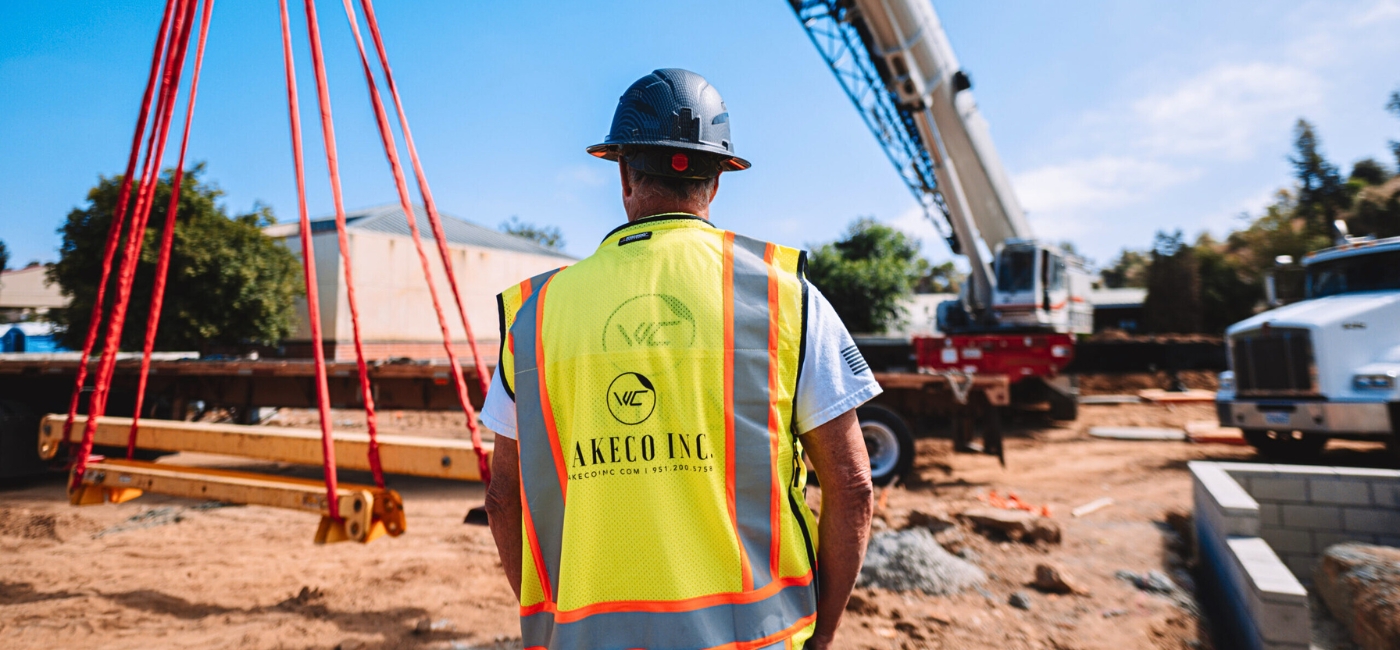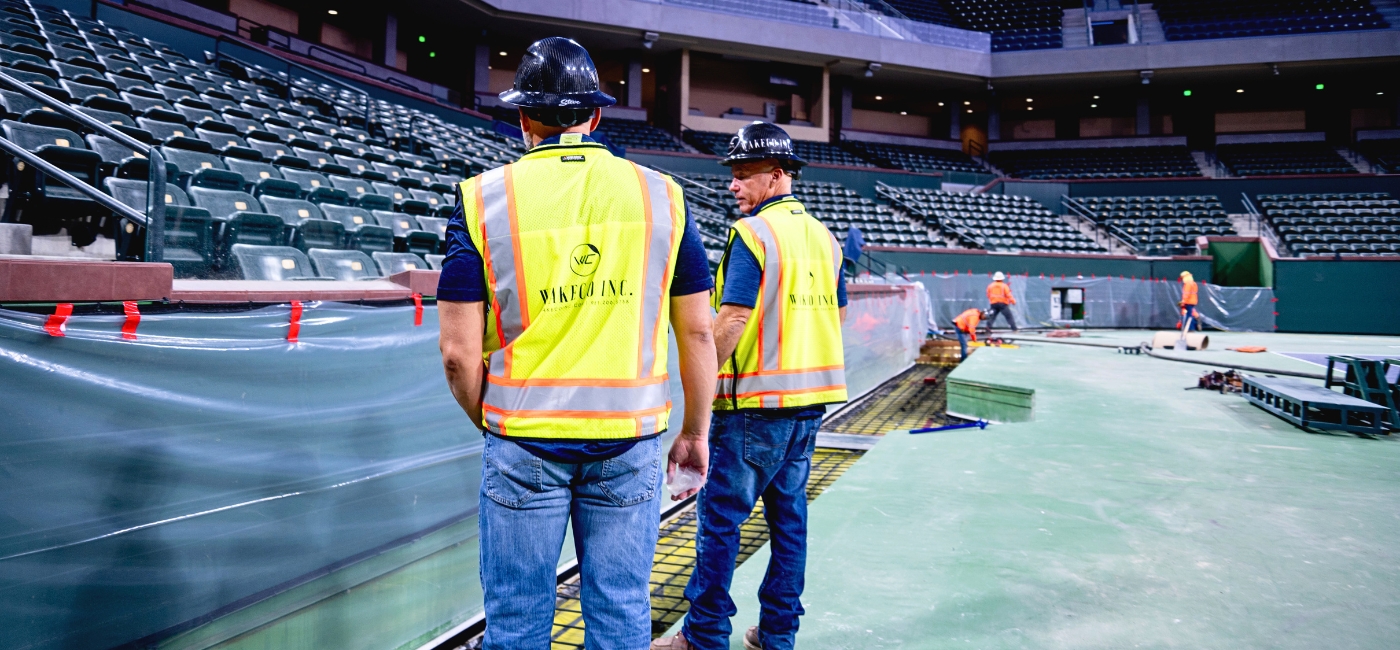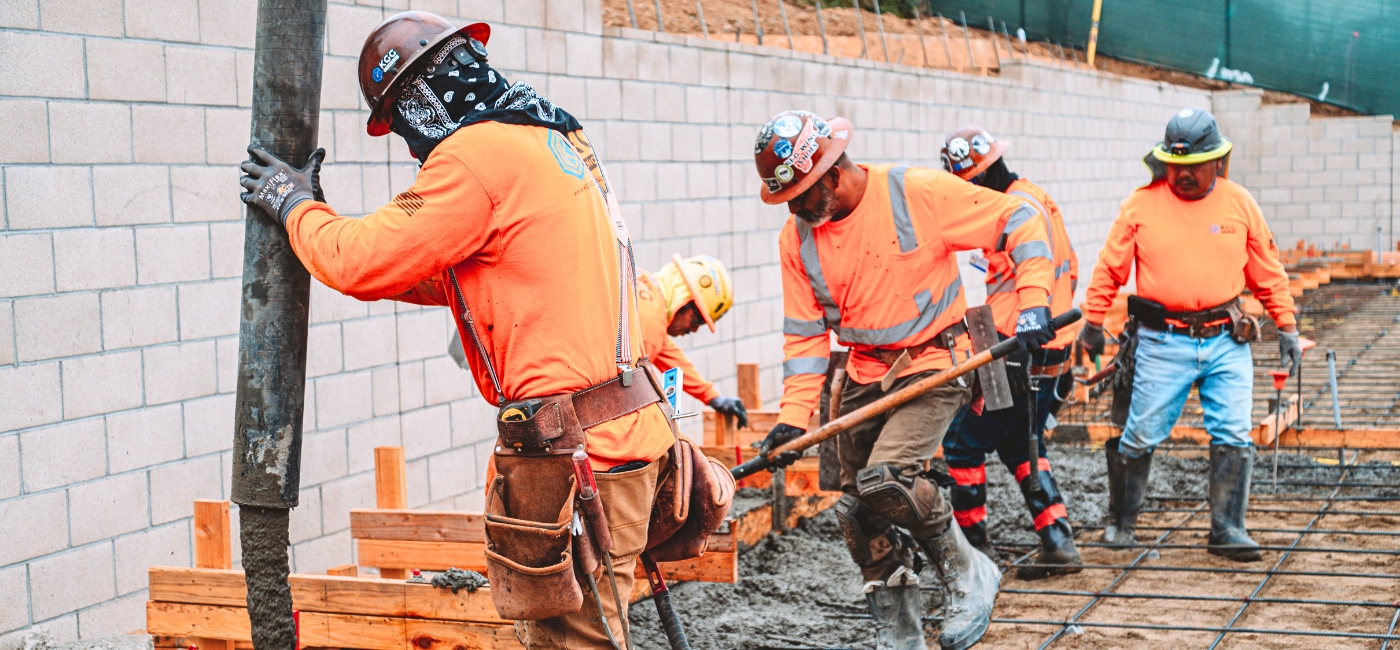
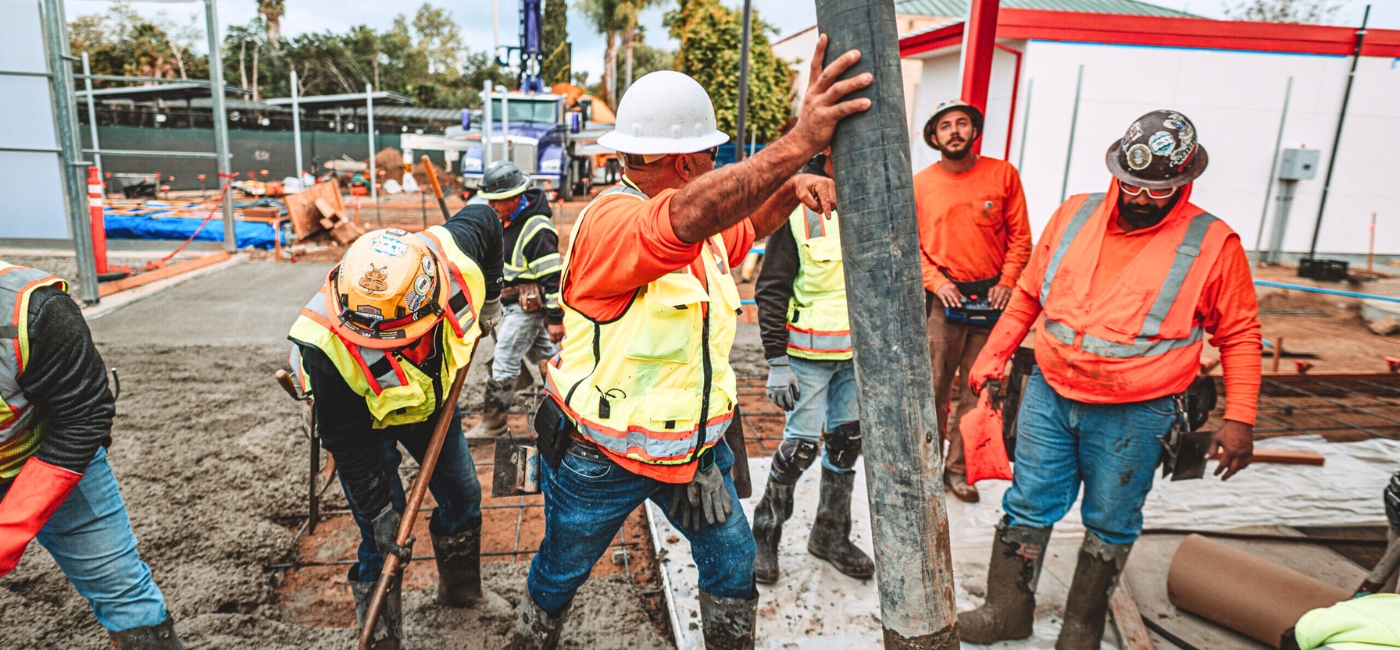
Riverside anchors Inland Empire commercial development with a population exceeding 330,000 and an economy centered on education, healthcare, government services, and regional commerce. The city’s commercial construction activity spans office buildings serving professional services, retail developments along commercial corridors, and warehouse facilities supporting logistics operations.
WakeCo delivers commercial construction in Riverside with teams experienced in the distinct demands office, retail, and warehouse projects present. Our approach recognizes these building types require different construction methods, finish standards, and operational considerations. We build projects designed for their intended function rather than applying uniform approaches across dissimilar building types.
Office Construction: From Medical Facilities to Professional Spaces
Riverside’s professional services economy drives office construction serving medical practices, legal firms, financial institutions, and corporate operations. Office construction demands vary dramatically based on tenant type, with medical facilities representing the most technically complex office category.
Medical Office Buildings: Specialized Construction Requirements
Medical office construction differs fundamentally from general office work. Healthcare occupancies require HVAC systems providing 6-12 air changes per hour compared to 2-4 for standard offices. Exam rooms need specific electrical configurations supporting diagnostic equipment. Imaging suites demand structural reinforcement for MRI or CT scanner weight.
WakeCo constructs medical offices addressing these specialized requirements through proper mechanical system design, electrical infrastructure supporting medical equipment, accessible layouts meeting healthcare standards, and finish selections balancing professional aesthetics with sanitation requirements.
Plumbing complexity increases in medical offices. Sterilization areas require specific drain configurations. Some practices need medical gas systems. Dental offices require vacuum systems and compressed air beyond standard office infrastructure.
Professional Office Construction: Tenant Improvements and Base Buildings
Law firms, accounting practices, and corporate offices require construction addressing conference room technology, private office acoustics, reception areas reflecting brand identity, and finish quality appropriate to client-facing environments. These projects often occur as tenant improvements within existing buildings.
WakeCo delivers professional office construction with attention to sound isolation between adjacent offices, technology infrastructure supporting modern workplace needs, and construction phasing when work occurs in occupied buildings.
Retail Construction: Restaurants, Shopping Centers, and Standalone Buildings
Riverside’s commercial corridors support retail construction ranging from shopping centers along University Avenue and Magnolia Avenue to standalone restaurants and big-box developments. Retail construction priorities differ markedly from office work—durability matters more than finish refinement, and tenant coordination becomes critical in multi-tenant properties.
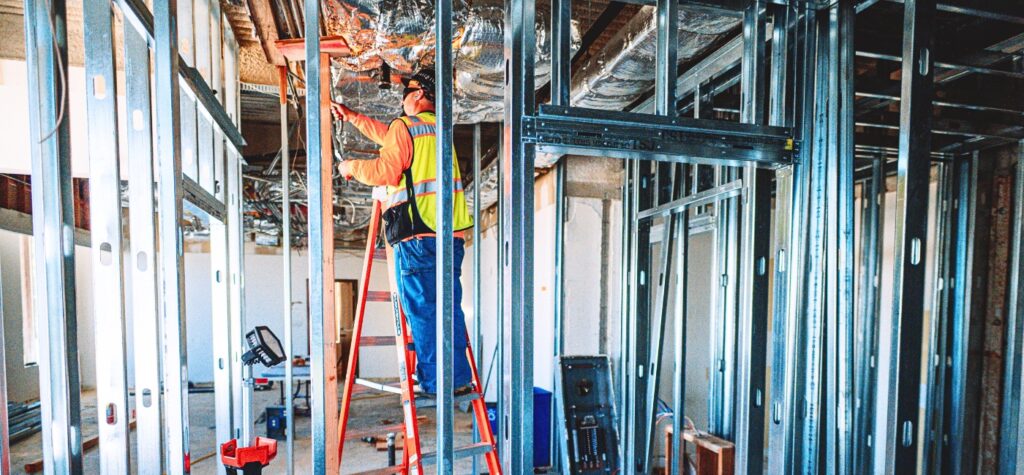
Restaurant Construction: Kitchen Systems and Dining Environments
Restaurant construction involves technical complexity contractors unfamiliar with food service operations underestimate. Commercial kitchens require grease interceptors, Type I hood suppression systems, adequate gas service for cooking equipment, electrical capacity for refrigeration and cooking loads, and floor drains with proper slope and trap primers.
WakeCo coordinates restaurant construction addressing health department requirements, equipment supplier needs, fire suppression integration with hood systems, and ventilation makeup air balancing kitchen exhaust. Our restaurant experience prevents coordination failures creating operational problems and failed inspections.
Dining area construction balances atmosphere with durability. Finishes must withstand heavy traffic, frequent cleaning, and moisture exposure while maintaining aesthetic appeal. HVAC must handle customer loads while accommodating kitchen heat without cross-contaminating dining areas with cooking odors.
Shopping Center Construction: Multi-Tenant Coordination
Shopping center construction requires base building infrastructure serving varied tenant types with unknown specific needs at construction time. Utility distribution must accommodate restaurants, retail, and service businesses. Storefronts need flexibility for different configurations.
WakeCo constructs shopping centers with adequate utility rough-ins allowing tenant flexibility, exterior finishes withstanding weather exposure, and phasing strategies allowing early tenant occupancy while completing remaining spaces. Our multi-tenant experience includes coordinating various tenant improvement schedules within operating centers.
Big-Box Retail: Volume and Speed Requirements
Large-format retail construction prioritizes schedule over finish complexity. These projects involve high bay structures, loading docks, utility capacity for large HVAC systems, and sometimes specialized floor systems for heavy merchandising. Corporate tenants impose strict opening deadlines making schedule management critical.
WakeCo delivers big-box retail through efficient construction methods, trade coordination preventing delays, and realistic scheduling meeting tenant requirements.
Warehouse Construction: Distribution, Manufacturing, and Specialized Facilities
Riverside’s Inland Empire location drives warehouse construction supporting regional distribution networks. Warehouse projects prioritize operational efficiency and structural capacity over finish quality, representing fundamentally different construction from office or retail work.
Distribution and Fulfillment Centers: Clear Span and Heavy Loads
Modern distribution facilities require clear span structures with minimal interior columns maximizing usable floor area. Floor systems must support concentrated racking loads reaching 3,000-5,000 pounds per square foot in aisles. Dock areas need adequate depth for truck maneuvering and sometimes cross-dock configurations.
WakeCo constructs distribution centers with foundation engineering addressing concentrated loads, structural systems providing required clear spans, dock-high construction with proper truck well dimensions, and utility infrastructure supporting warehouse management technology and automated material handling systems.
These facilities demand different mechanical approaches than office buildings. High bay warehouses use destratification fans preventing heat accumulation at roof level. Loading areas require dock seals, levelers, and sometimes climate separation protecting temperature-controlled storage.
Flex Warehouse: Hybrid Office and Warehouse Functions
Flex warehouses combine warehouse space with office areas and sometimes light manufacturing. These buildings require construction managing transitions between different functional zones—warehouse areas with 24-30 foot clear heights versus office areas with standard ceiling heights, varied HVAC requirements, and different finish standards.
WakeCo delivers flex warehouse construction coordinating distinct systems serving each functional area. Office zones receive finished ceilings, climate control, and professional finishes. Warehouse areas prioritize durability and clear height.
Cold Storage and Specialized Warehouses
Refrigerated and freezer warehouses require specialized construction beyond ambient storage facilities. Insulated panel systems, refrigeration equipment coordination, vapor barriers preventing moisture intrusion, and floor systems resisting thermal stress distinguish cold storage from standard warehouse work.
WakeCo constructs cold storage facilities with proper insulation assemblies maintaining temperature, moisture control preventing condensation damage, and refrigeration infrastructure coordination.
Managing Riverside Commercial Construction Timelines and Budgets
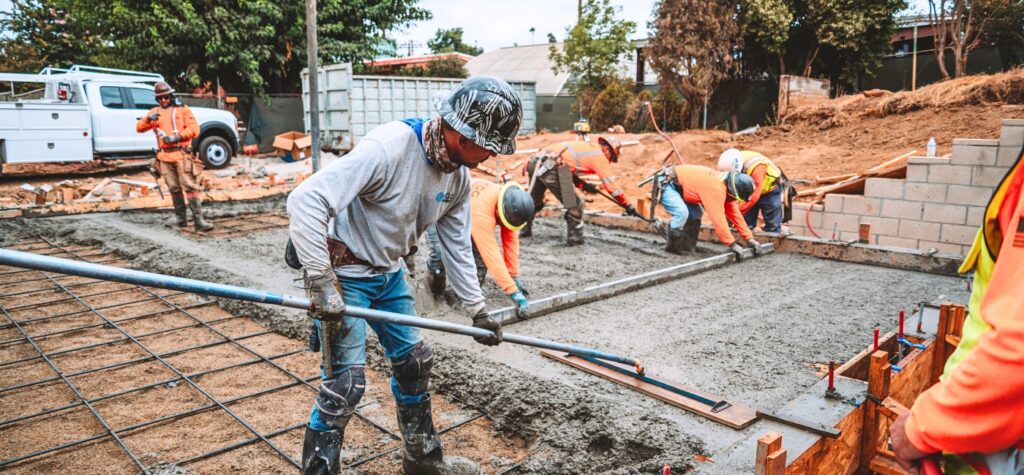
Commercial construction success depends on realistic scheduling and accurate cost estimating reflecting project-specific requirements. Office, retail, and warehouse projects involve different timeline drivers and cost structures.
Office projects face longer permitting for medical occupancies and extended finish work. Retail construction depends heavily on tenant coordination timing. Warehouse projects prioritize foundation work and structural systems over interior finishes. WakeCo develops schedules and budgets appropriate to each building type rather than applying uniform assumptions.
Riverside’s permit approval requires 6-8 weeks for standard commercial projects with complete submittals. Our preconstruction planning identifies jurisdiction requirements, structures applications addressing city review criteria, and schedules realistically around approval processes.
Building Riverside’s Commercial Infrastructure
Commercial construction in Riverside requires understanding the fundamental differences between office, retail, and warehouse projects. Each building type presents distinct technical requirements, operational priorities, and construction methods. Success depends on matching approaches to project-specific needs rather than generic commercial construction methods.
Ready to discuss your Riverside office, retail, or warehouse project? Contact WakeCo for commercial construction services tailored to your building type’s specific requirements. We’ll review your project and explain how our experience delivers successful outcomes. Call today or request a consultation online.
Frequently Asked Questions
What makes medical office construction more complex than standard office buildings?
Medical offices require specialized HVAC with higher air change rates, accessible design exceeding standard requirements, structural reinforcement for imaging equipment, specific electrical configurations for exam rooms, plumbing for sterilization areas, and sometimes medical gas systems. Code requirements and operational needs differ fundamentally from general office construction.
Why do restaurants require different construction than other retail tenants?
Restaurants need commercial kitchen infrastructure including grease interceptors, Type I hood suppression, adequate gas service, floor drains, and health department compliance. Mechanical systems must handle kitchen heat and exhaust. Equipment coordination with suppliers becomes critical. These requirements don’t apply to standard retail construction.
Can warehouse buildings be converted to office or retail use?
Conversion is technically possible but often cost-prohibitive. Warehouses lack HVAC capacity, electrical distribution, finished interiors, adequate restrooms, and parking for office densities. Ground-up construction typically costs less than conversion attempting to overcome fundamental building differences.
How do construction timelines differ between office, retail, and warehouse projects?
Office projects involve longer finish work and equipment coordination. Medical offices add specialized system installation. Retail timelines depend on tenant improvement coordination timing. Warehouse construction moves faster with less finish work but foundation and structural systems require proper curing and sequencing.
What should property owners prioritize when selecting contractors for different building types?
Verify contractor experience with specific building types. Medical office contractors should demonstrate healthcare construction knowledge. Restaurant contractors need commercial kitchen experience. Warehouse contractors should show distribution facility work. Building type experience matters more than generic commercial construction credentials.
Do flex warehouses cost more per square foot than standard warehouses?
Yes, typically 15-25% more. Flex buildings require finished office areas, varied ceiling heights, different HVAC zones, enhanced electrical distribution, and architectural features standard warehouses omit. Cost per square foot varies significantly between warehouse and office portions.
How does Riverside’s permitting differ for office, retail, and warehouse projects?
Medical offices trigger health department review beyond standard building permits. Restaurants require health department approval and sometimes alcohol licensing coordination. Warehouses may need traffic studies for truck circulation. Each building type involves different agency coordination beyond basic building permits.
What construction warranties should commercial property owners expect?
Standard construction includes one-year workmanship warranties. Roofing typically carries 10-20 year material warranties plus installation warranties. Mechanical and electrical systems include equipment manufacturer warranties. Specific warranty terms vary by building type.