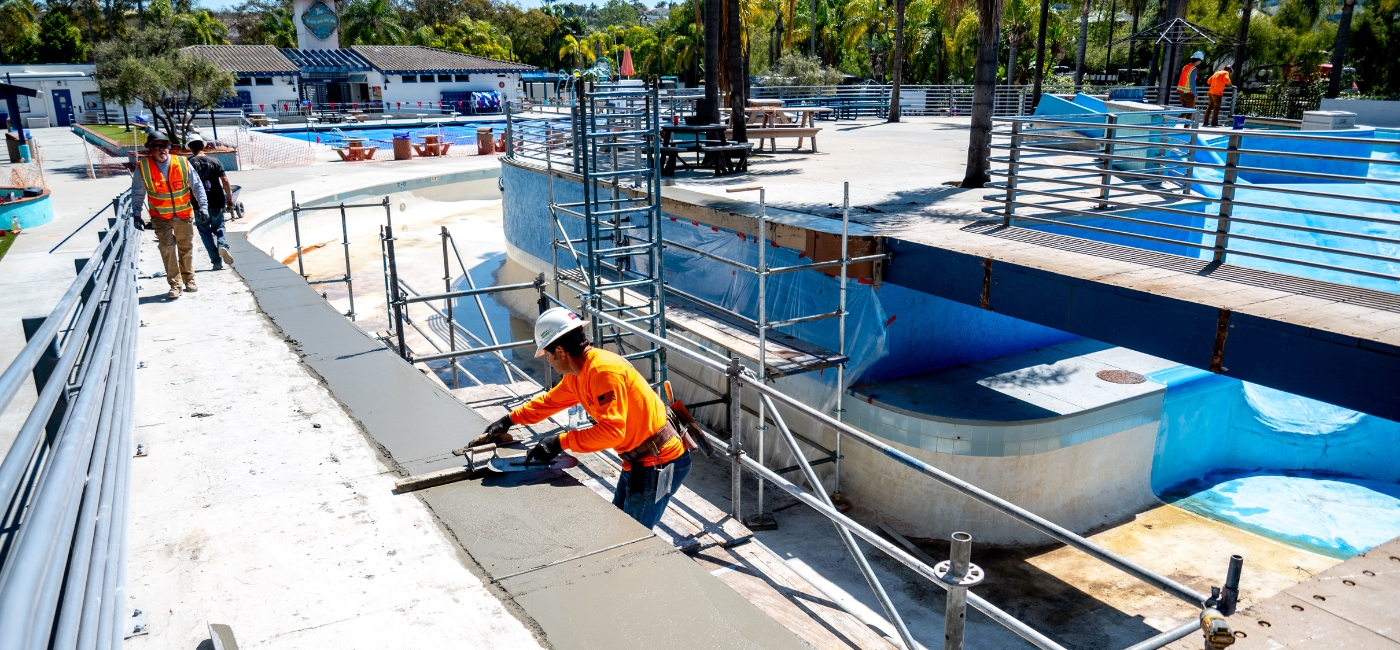
Finding the right commercial contractors in San Diego can make or break your project. From tenant improvements and office remodels to large-scale developments, the right contractor brings structure, speed, and confidence to every phase of construction.
That’s exactly what trusted builders like WakeCo Inc. bring to the table. With decades of experience across Southern California, they know how to keep projects efficient and on track. In this guide, you’ll learn what to look for, how to evaluate bids, and how to avoid costly missteps before signing a contract.
How to Evaluate Commercial Contractors in San Diego
Choosing the right contractor isn’t just about comparing prices. It’s about finding a team that can handle the complexity of commercial builds while keeping your budget, schedule, and standards intact. Here’s how to evaluate commercial contractors in San Diego before you commit.
Verify Licenses, Insurance, and Credentials
Every reputable contractor in California must hold an active CSLB license. Confirm they’re licensed, bonded, and insured. This protects you from liability and ensures the contractor meets state construction standards.
Review Their Commercial Portfolio
Commercial construction is a different ball game from residential work. Ask for examples of completed projects—especially those similar to yours, like retail centers, office spaces, or public works. Look for signs of quality finishes, efficient site management, and adherence to timelines.
Assess Local Experience
San Diego’s unique building codes, coastal climate, and seismic regulations demand local know-how. Contractors with regional experience understand city permit procedures, inspection cycles, and material requirements suited to local conditions.
Evaluate Team and Communication
Meet the actual project team, not just the sales representative. The right contractor will have a structured communication process, with clear updates on scheduling, budgeting, and progress.
Compare Cost Transparency and Bids
A professional proposal breaks down labor, materials, and contingencies clearly. Beware of unrealistically low bids—they often lead to change orders and budget overruns later.
Taking these steps helps you identify reliable partners and avoid costly surprises, ensuring your project moves from blueprint to completion seamlessly.
Choosing the Right Construction Approach for Your Project
Before you sign with a contractor, it’s essential to understand how they’ll deliver your project. Different service models suit different goals, budgets, and project sizes. Knowing these distinctions helps you choose the structure that gives you the most control and value.
Pre-Construction Services
This phase happens before ground is broken. Contractors like WakeCo use it to refine budgets, analyze site conditions, identify risks, and coordinate with architects and engineers. Strong pre-construction planning minimizes surprises later and often saves both time and cost.
General Contracting (GC)
In this traditional model, the contractor oversees all trades, materials, and scheduling once designs are finalized. It’s ideal when plans are complete, and you want a single accountable party managing construction execution. General contracting offers simplicity and predictability, provided the scope is well-defined.
Construction Management (CM)
This model works best for complex or phased projects. The contractor joins early, collaborating with your design and ownership teams. They manage timelines, costs, and quality from day one—offering more transparency and flexibility than a fixed-price model.
Selecting the right construction approach determines how smoothly your project runs. Evaluate your goals, budget, and risk tolerance, then align with a contractor who can deliver under the model that best fits your needs.
What Makes San Diego Unique — Local Rules, Risks & Market Realities
Building in San Diego comes with opportunities—and its own set of challenges. From coastal permitting to seismic codes, every project here must account for regional nuances that directly impact cost, design, and delivery timelines.
Strict Coastal and Seismic Regulations
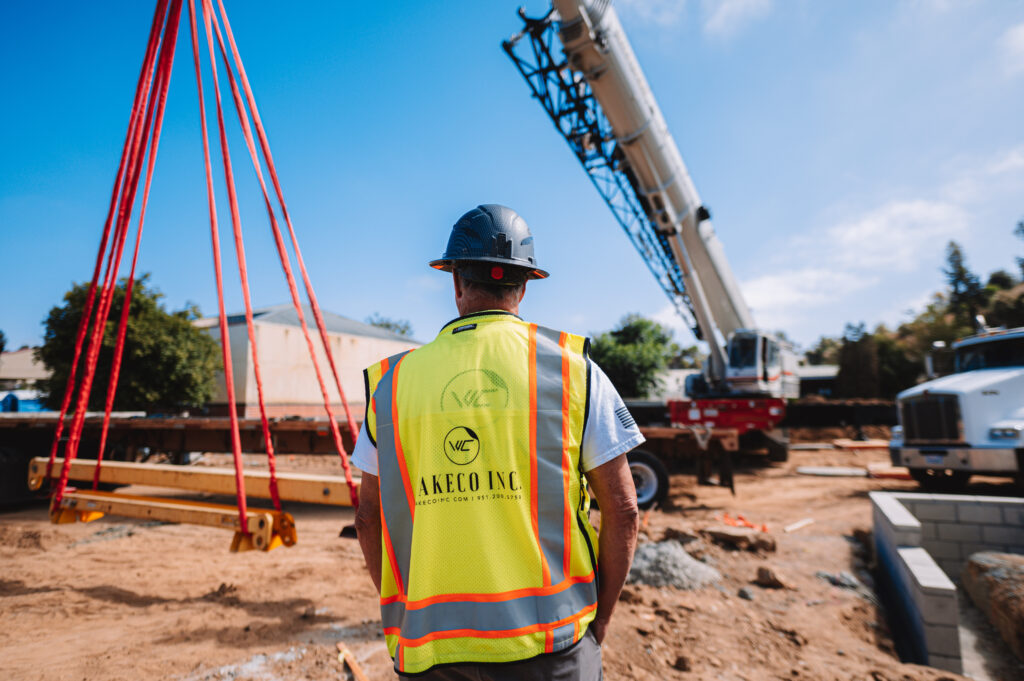
San Diego sits in a high seismic zone and along a sensitive coastal corridor. This means contractors must follow rigorous building codes, use reinforced materials, and comply with the California Coastal Commission for projects near the shore. A contractor experienced in navigating these regulations can prevent costly compliance delays.
Permitting and Inspection Timelines
The city’s permitting process can take longer than in many other regions. Each phase—plan checks, environmental reviews, and inspections—adds time. Local familiarity matters: seasoned San Diego contractors often maintain established relationships with city departments, helping projects move through approvals faster.
Labor and Material Market Dynamics
Southern California’s construction market is highly competitive, with labor shortages and fluctuating material costs. Contractors who plan ahead and maintain solid vendor networks can stabilize pricing and scheduling despite these pressures.
Public Works and Environmental Priorities
Sustainability, energy efficiency, and stormwater management are integral to San Diego’s public and private developments. Partnering with a contractor well-versed in these priorities ensures your project meets both regulatory and community expectations.
Budget, Timeline & Cost-Control Benchmarks for San Diego Commercial Projects
A well-managed commercial project balances scope, schedule, and spending. In San Diego, where construction costs and regulations vary by location and project type, understanding benchmarks helps you plan realistically and stay in control.
Typical Timelines
Project duration depends on complexity.
- Tenant improvements: usually 3–6 months once permits are cleared.
- Ground-up builds: 12–24 months, factoring in design, permitting, and construction.
Delays often stem from inspection backlogs or change orders, so building buffer time into your schedule is wise.
Budget Ranges and Influences
Average commercial costs in San Diego fluctuate based on materials, site conditions, and building type.
- Office and retail spaces: moderate costs, driven by interior finishes.
- Industrial and public projects: higher budgets due to specialized systems and structural demands.
A detailed bid should separate materials, labor, and contingency to keep spending transparent.
Keeping Costs in Check
Strong pre-construction planning and frequent cost reviews are your best defense against overruns. Regular progress reports and value engineering—adjusting materials or methods without compromising quality—help keep your project aligned with budget goals.
In a dynamic market like San Diego, precise cost control paired with proactive communication ensures your project reaches completion on time and within budget.
Critical Questions to Ask Commercial Contractors in San Diego
The right questions reveal how a contractor operates—and whether they’re equipped to handle your project’s scale and complexity. Use these as your short list when interviewing commercial contractors in San Diego.
Experience and Capability
- What types of commercial projects have you completed locally?
- Do you specialize in tenant improvements, ground-up construction, or public works?
Look for direct experience in your sector and familiarity with San Diego’s permitting and inspection process.
Team and Communication
- Who will manage my project on-site day to day?
- How do you handle updates, schedule changes, and progress reporting?
Consistent communication keeps projects on track and minimizes misunderstandings.
Budget and Transparency
- Can you break down your bid by labor, materials, and contingency?
- How do you manage cost overruns or change orders?
Clarity around pricing helps avoid surprises later.
Quality and Accountability
- What safety, quality, and warranty standards do you follow?
Contractors confident in their process will welcome these questions—and provide clear, detailed answers backed by real examples.
Red Flags: When to Walk Away from a Commercial Contractor in San Diego
Not every contractor who bids on your project is the right fit. Some warning signs are easy to miss early on but can lead to costly trouble later. Spotting them early can save time, money, and stress.
Unclear Bids or Missing Details
If a proposal lacks a full cost breakdown—covering labor, materials, and contingency—it’s a signal the contractor may be hiding potential overruns. Transparency should always be non-negotiable.
Limited or Irrelevant Experience
Avoid contractors who only handle residential work or can’t show local commercial projects. Experience in San Diego’s codes, permits, and soil conditions matters as much as craftsmanship.
Poor Communication
Slow replies, vague timelines, or changing points of contact often indicate poor internal organization. This behavior tends to worsen once construction starts.
Too-Good-To-Be-True Pricing
A significantly low bid might look appealing but often leads to cut corners or unexpected change orders later. Reliable contractors provide fair, detailed pricing that aligns with market standards.
Walking away early from the wrong fit protects your project and keeps it moving toward a smooth, successful build.
Building with Confidence: The WakeCo Inc. Difference
For over 40 years, WakeCo Inc. has been a trusted partner in commercial construction across Southern California. As a family-owned, full-service contractor, WakeCo brings clarity, consistency, and craftsmanship to every phase of a project—from concept to creation.
Experience That Delivers Results
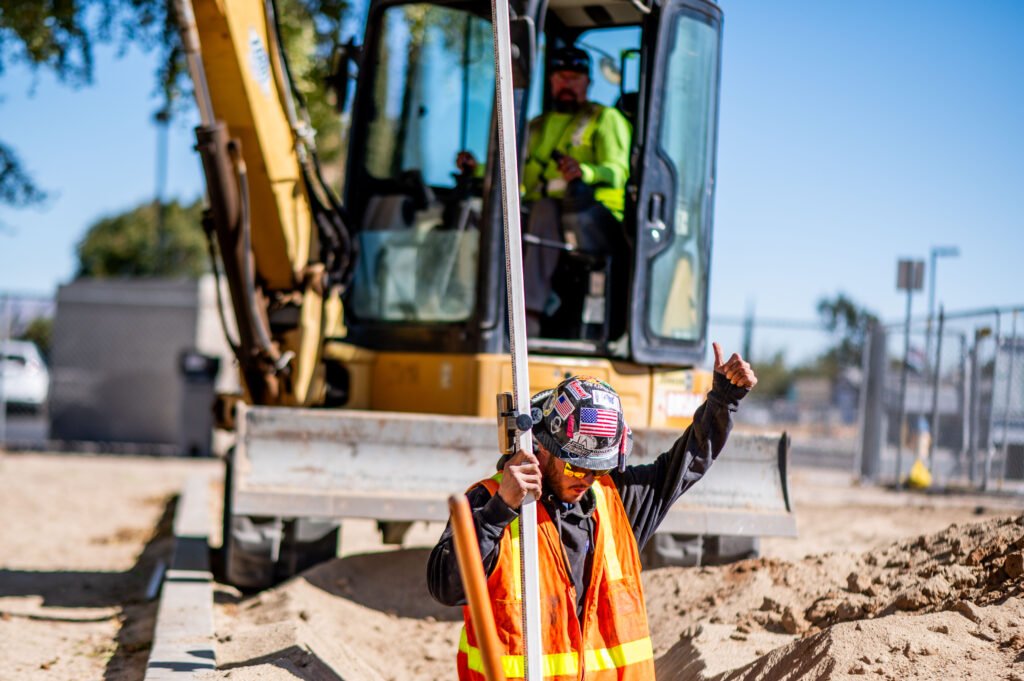
WakeCo’s team has completed diverse projects, including fire stations, schools, industrial facilities, and retail spaces. This depth of experience ensures every client benefits from proven processes, accurate budgeting, and timely delivery. Whether it’s a ground-up build or a tenant improvement, WakeCo’s expertise keeps projects compliant, efficient, and structurally sound.
Transparent Process, Trusted Partnerships
WakeCo operates with complete transparency. Detailed bids, open communication, and proactive cost control define their approach. Clients receive regular progress updates, clear timelines, and no hidden surprises—just a steady path to completion.
Local Insight, Lasting Value
With deep roots in the region, WakeCo understands San Diego’s unique building codes, environmental priorities, and permit processes. Their local relationships and hands-on leadership ensure every project meets both regulatory and community standards.
From pre-construction planning to post-completion follow-through, WakeCo Inc. stands for reliability, quality, and trust—helping clients build with confidence, every time.
Partner with WakeCo Inc. for Your Next San Diego Project
Choosing the right commercial contractor in San Diego comes down to trust, experience, and transparency. WakeCo Inc. embodies all three. With a legacy built on craftsmanship and clear communication, their team ensures every project—from planning to delivery—runs smoothly and efficiently. Whether you’re developing a new commercial space or upgrading an existing facility, WakeCo provides the expertise and care your investment deserves. Connect with WakeCo Inc. today to discuss your vision and start building with a partner who values precision, quality, and long-term success.
Frequently Asked Questions (FAQs)
1. What’s the biggest advantage of hiring a local San Diego commercial contractor?
Local contractors understand city-specific codes, environmental regulations, and permit timelines. They also have established relationships with local inspectors and vendors, helping your project move faster through approvals and keeping costs stable amid market fluctuations.
2. How early should a contractor be involved in the planning phase?
Ideally, bring your contractor in during pre-construction. Early involvement allows for better budgeting, constructability reviews, and coordination with architects and engineers—preventing costly design changes and delays later in the project lifecycle.
3. What defines a quality commercial bid?
A professional bid includes detailed cost breakdowns, timelines, and scope definitions. It should clarify contingencies, warranty terms, and potential risks upfront. Vague or overly low bids are warning signs of hidden costs or underestimation.
4. How do commercial contractors manage project risk?
Experienced firms use proactive scheduling, regular progress reviews, and risk registers to identify issues early. They also maintain safety programs, insurance coverage, and quality control procedures to protect clients, workers, and the final structure.
5. What makes WakeCo Inc. different from larger national firms?
WakeCo combines large-scale capability with family-owned attention. Clients get senior-level involvement, transparent communication, and locally informed solutions—all backed by decades of hands-on construction experience throughout Southern California.