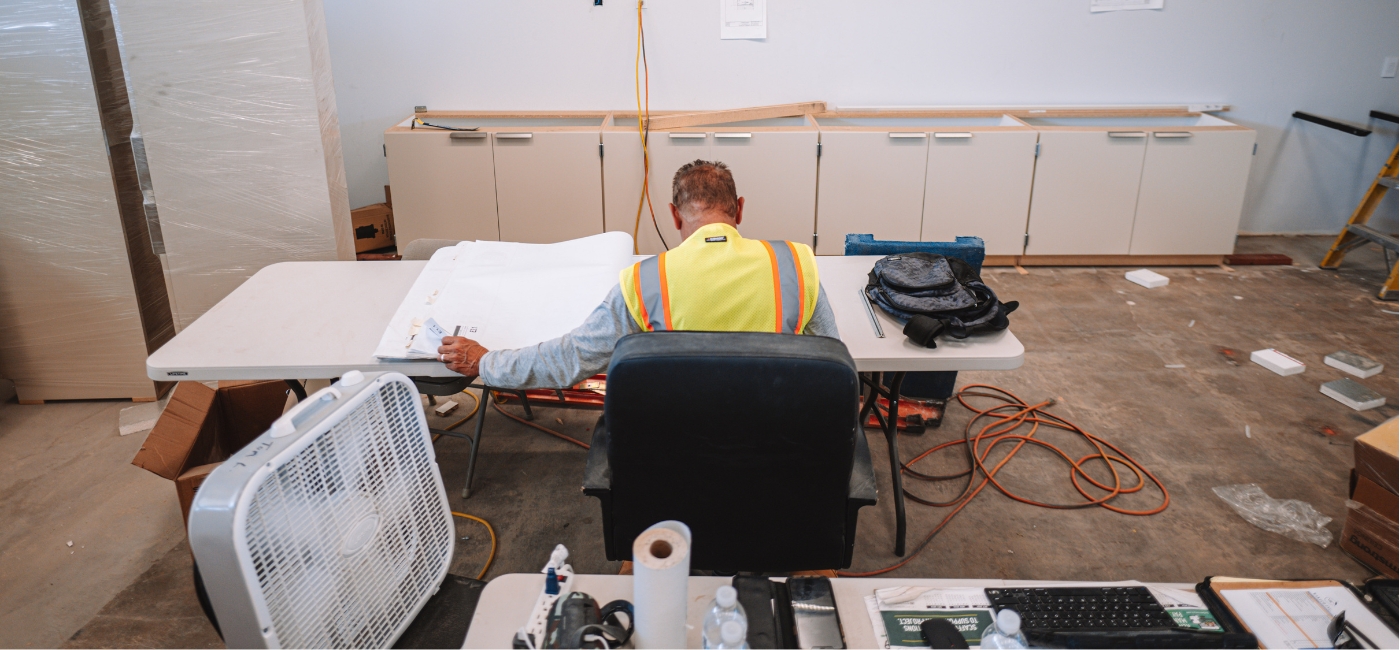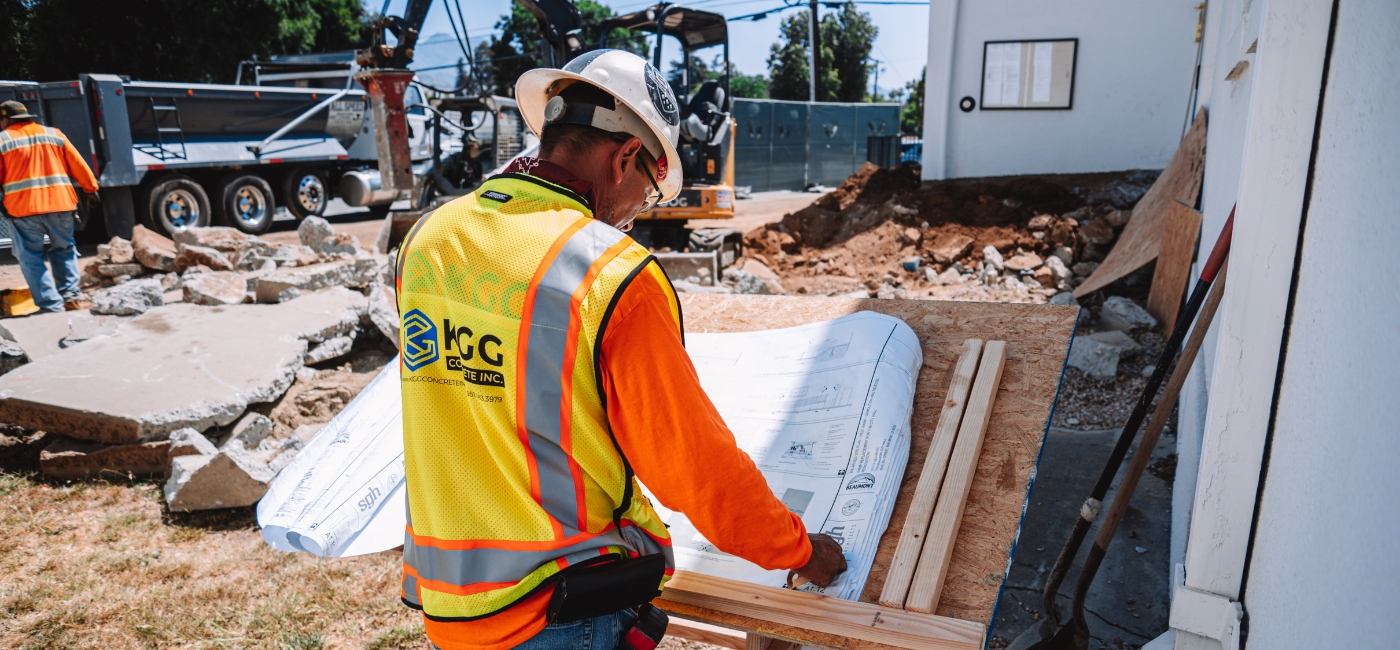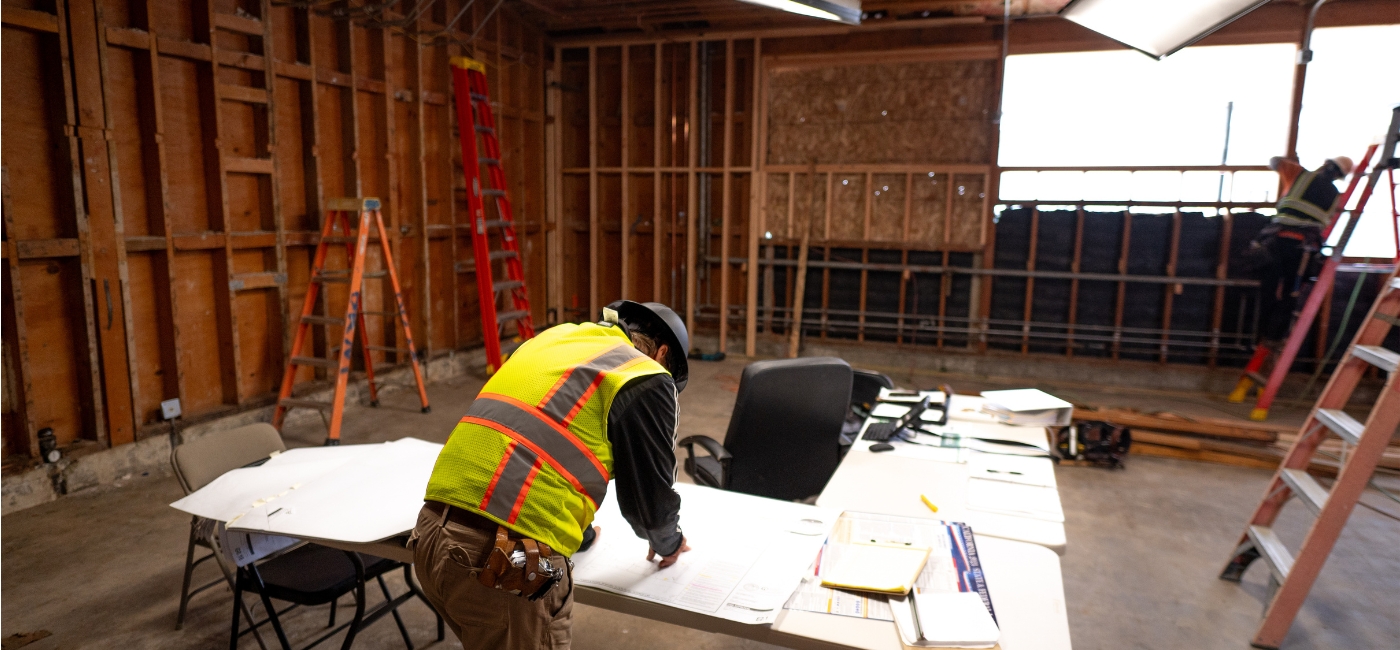

When it comes to large-scale building projects, commercial preconstruction services are the foundation for success. Before a single shovel touches the ground, preconstruction sets the strategy—covering feasibility, budgeting, scheduling, and risk management. Without this phase, projects risk spiraling into delays and unexpected costs. In today’s competitive market, businesses can’t afford to skip this crucial step.
WakeCo, Inc., with decades of experience across California and Arizona, specializes in guiding clients through every stage of preconstruction. This article explores what commercial preconstruction entails, why it matters, and how the right partner ensures your project begins on the strongest footing.
Understanding Commercial Preconstruction Services
Preconstruction is the planning stage where the framework for a project’s success is established. In commercial construction, this process is particularly vital because projects are larger, more complex, and often subject to tighter regulations than residential builds.
Commercial preconstruction services encompass feasibility studies, site evaluations, budgeting, scheduling, risk analysis, and constructability reviews. They provide a detailed roadmap, aligning architects, engineers, contractors, and owners on scope and expectations. The aim is simple: reduce risk, maximize efficiency, and set realistic targets.
Why Commercial Preconstruction is Different
Unlike residential builds, commercial projects often involve multiple stakeholders and specialized spaces—office complexes, hospitals, warehouses, retail centers. Each type requires unique compliance steps. For instance, healthcare facilities must meet strict sanitary codes, while industrial sites may face heavy zoning or environmental requirements.
Core Benefits
- Cost Control: Early cost estimation prevents budget surprises.
- Risk Mitigation: Identifying site challenges and regulatory requirements upfront reduces delays.
- Efficiency: Scheduling and logistics planning optimize labor and material use.
- Stakeholder Alignment: All parties understand their roles before construction begins.
By treating preconstruction as a non-negotiable phase, businesses create clarity and confidence. This upfront investment saves time, reduces costs, and lays the groundwork for a project that delivers on its promises.
Who Should Be Involved & How the Team is Structured
Preconstruction isn’t a solo act—it’s a collaborative effort requiring input from various stakeholders. Knowing who to involve and how to structure the team makes the process smoother and more productive.
Key Stakeholders
- Owner/Developer: Sets the vision, goals, and budget.
- General Contractor or Construction Manager: Oversees planning, estimating, and risk management.
- Architects & Engineers: Provide design intent and technical expertise.
- MEP Specialists: Focus on mechanical, electrical, and plumbing requirements.
- Estimators & Surveyors: Deliver accurate cost and site data.
- Regulatory Bodies: Ensure compliance with codes, permits, and environmental standards.
Communication & Roles
The team should establish clear lines of communication early on. Weekly coordination meetings, digital project platforms, and decision timelines keep everyone aligned. When roles are defined—who approves designs, who manages permits, who reviews costs—bottlenecks are minimized.
Why Early Involvement Matters
Bringing contractors and trade partners in early improves constructability reviews and produces more accurate estimates. Waiting until after design is finalized often results in redesigns, delays, and budget overruns.
A strong preconstruction team balances expertise, collaboration, and clear accountability—ensuring the project has the right start.
Key Components of Preconstruction: Services You Can Expect
Preconstruction isn’t a single task—it’s a suite of services designed to anticipate challenges and align stakeholders.
Feasibility Studies & Site Analysis
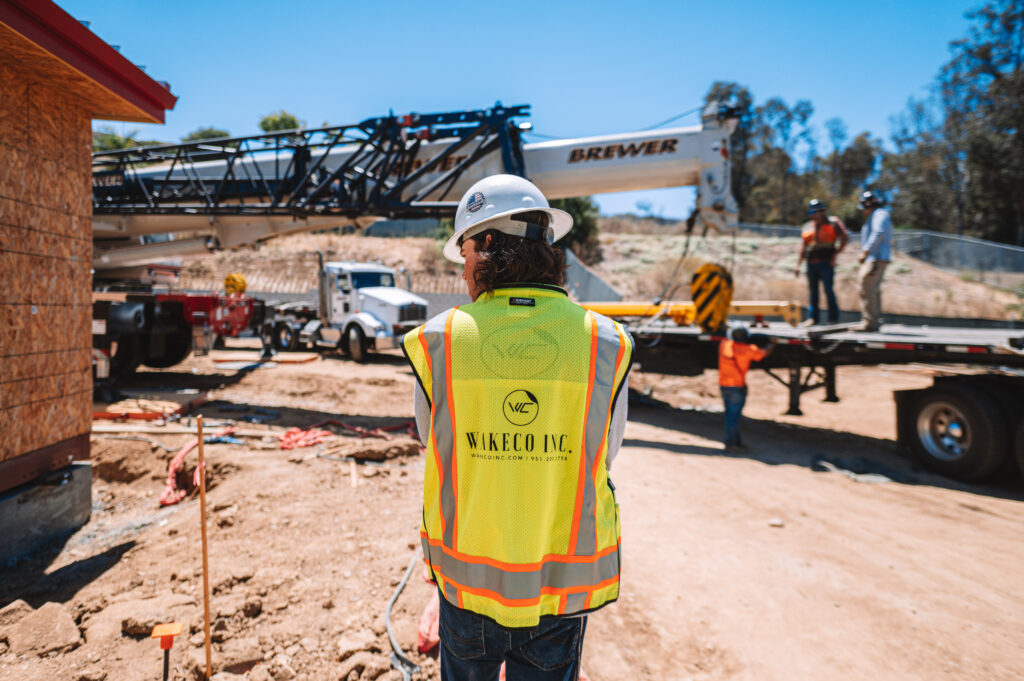
Evaluating zoning, soil conditions, utilities, and environmental constraints ensures the site is viable before committing major resources.
Cost Estimating & Budget Planning
Preliminary estimates help shape the project scope. As designs progress, estimates become more detailed, offering transparency and preventing financial surprises.
Value Engineering & Constructability Reviews
Contractors analyze design choices to find cost-effective solutions without sacrificing quality. Constructability reviews identify design flaws that could complicate construction.
Scheduling & Logistics Planning
Detailed schedules map project phases, including permitting, procurement, and trade sequencing. Logistics planning addresses site access, staging, and phasing to minimize disruptions.
Bid Packaging & Trade Partner Pre-Qualification
Breaking projects into trade packages ensures specialized work is competitively bid. Pre-qualifying subcontractors adds reliability and reduces risk.
Risk Identification & Mitigation
Potential risks—design changes, supply chain issues, regulatory hurdles—are identified early, and strategies are developed to minimize impact.
Permitting & Compliance Review
Navigating permits and codes is one of the most complex aspects of commercial construction. Preconstruction ensures all requirements are addressed well in advance.
Together, these services reduce uncertainty and create a clear, actionable path from concept to groundbreaking.
Timeline & Common Delays: What to Plan For
Preconstruction timelines vary depending on project size and complexity, but they typically follow predictable phases.
Typical Timeline
- Concept & Feasibility: 2–4 weeks
- Schematic Design & Estimating: 4–6 weeks
- Detailed Design & Constructability Reviews: 6–8 weeks
- Permits & Approvals: Varies by jurisdiction
- Bidding & Trade Partner Selection: 2–4 weeks
While these ranges aren’t universal, they provide a baseline for planning.
Common Delays
- Permitting Bottlenecks: Regulatory approvals often take longer than anticipated.
- Design Changes: Adjustments late in the process ripple across budget and schedule.
- Site Surprises: Poor soil, hidden utilities, or environmental issues cause unexpected work.
- Material Lead Times: Delays in sourcing specialized equipment or materials disrupt schedules.
- Decision Delays: When owners or stakeholders hesitate, timelines slip.
Planning for Success
Building buffers into schedules and maintaining open communication helps mitigate delays. Using project management software also provides visibility into milestones and accountability.
Recognizing that delays are part of the process, the best strategy is proactive planning—anticipating challenges rather than reacting to them.
Technology, Innovation & Trends in Preconstruction
Modern preconstruction is being transformed by technology and innovation.
BIM & 3D Modeling
Building Information Modeling allows teams to visualize projects, identify conflicts, and adjust designs before construction begins.
Digital Estimating Tools
Advanced software generates real-time cost estimates, improving accuracy and allowing owners to make informed decisions faster.
Risk Forecasting with Data
Contractors are using market data to predict material costs, supply chain issues, and labor availability, helping to set more realistic budgets and schedules.
Collaboration Platforms
Cloud-based tools like Procore and Autodesk Construction Cloud streamline communication, document sharing, and approvals across all stakeholders.
Sustainability & Green Building Analysis
Energy modeling and LEED planning during preconstruction allow sustainable choices to be integrated early, reducing long-term operational costs.
Embracing these tools improves accuracy, transparency, and collaboration, giving owners a stronger return on their investment in preconstruction.
How to Choose the Right Preconstruction Partner
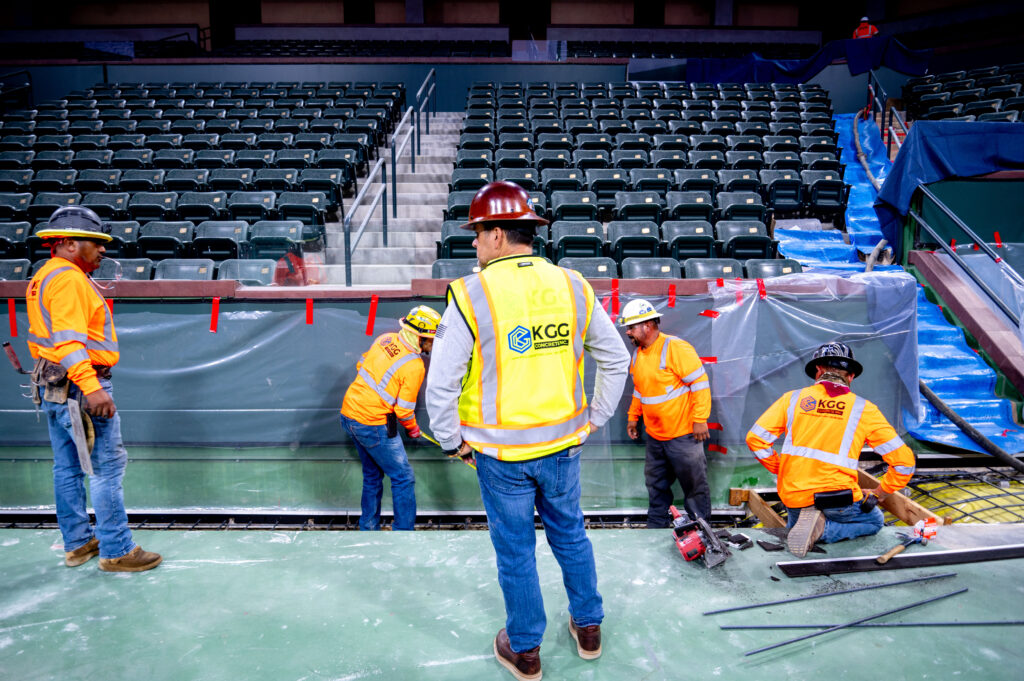
The success of your project depends on choosing the right preconstruction partner.
What to Look For
- Licensing & Certification: Verify credentials with the state licensing board.
- Commercial Experience: Ensure they have experience in your project type—office, healthcare, industrial, retail.
- Local Knowledge: Familiarity with regional codes and permitting accelerates approvals.
- Portfolio & References: Look for evidence of similar successful projects.
- Transparency: Itemized budgets and clear processes reduce risk.
Questions to Ask
- How do you handle design changes during preconstruction?
- What tools or technology do you use for estimating and scheduling?
- How do you define scope and manage risk?
- What is your approach to communication with stakeholders?
Red Flags
- Vague estimates without supporting detail.
- No clear process for change orders.
- Limited or no commercial project experience.
- Poor references or lack of transparency.
The right preconstruction partner isn’t just a consultant—they’re your guide through complexity. Choosing carefully ensures your project launches with confidence.
Pitfalls to Avoid & How to Mitigate Risks
Even with preconstruction, pitfalls remain. Awareness is the best prevention.
Scope Creep
When project scope expands without budget adjustments, costs escalate. Mitigation: document scope thoroughly and review regularly.
Underestimating Soft Costs
Overlooking fees for permits, utilities, or consultants leads to surprise expenses. Mitigation: include all costs early in estimates.
Ignoring Constructability
Designs that look good on paper may be impractical. Mitigation: conduct rigorous constructability reviews with contractor input.
Delayed Decisions
Indecision on design or materials slows everything down. Mitigation: set decision deadlines and enforce accountability.
Misaligned Stakeholders
When owners, architects, and contractors aren’t aligned, conflict arises. Mitigation: establish communication protocols and use collaboration tools.
By anticipating these pitfalls, owners and contractors can navigate challenges without derailing the project.
Why WakeCo, Inc. Delivers Best in Commercial Preconstruction
WakeCo, Inc. has built a reputation for delivering reliable, transparent, and comprehensive commercial preconstruction services.
Local & Regional Expertise
With licenses in California and Arizona, WakeCo understands the regulatory landscape and how to secure approvals efficiently.
Full-Suite Services
From feasibility studies and budgeting to risk management and scheduling, WakeCo offers end-to-end preconstruction capabilities.
Developer Mindset & Transparency
WakeCo approaches every project with a developer’s perspective—anticipating challenges, weighing costs, and prioritizing constructability. Their transparent processes ensure clients are never left guessing.
Proven Track Record
Family-owned and operating for decades, WakeCo has successfully supported projects across industries—commercial, industrial, retail, and public. Clients trust their ability to deliver on time and on budget.
WakeCo doesn’t just plan projects—they set them up for long-term success.
Laying the Foundation for Commercial Success
Commercial preconstruction services are not optional—they’re essential. From feasibility and budgeting to risk management and compliance, preconstruction sets the tone for the entire build. Choosing the right partner ensures that this critical stage delivers clarity, efficiency, and confidence.
WakeCo, Inc. combines technical expertise, local knowledge, and transparent processes to guide businesses through complex projects with ease. If you’re planning a commercial build, partner with WakeCo to set the stage for success. Your project deserves a foundation as strong as the structure itself.
Frequently Asked Questions (FAQs)
1. What is the difference between preconstruction and construction?
Preconstruction is the planning stage—budgeting, scheduling, and risk management—while construction is the execution phase. Preconstruction ensures the groundwork is set so the building process runs efficiently and avoids costly surprises.
2. How early should preconstruction begin for commercial projects?
Preconstruction should start as soon as a project is conceptualized. Engaging early allows teams to shape budgets, identify risks, and align stakeholders before design progresses too far, avoiding redesigns and saving significant time.
3. How do preconstruction fees work?
Preconstruction fees vary by provider and scope but generally cover services like estimating, scheduling, and feasibility studies. They’re an investment that reduces long-term costs by preventing overruns and identifying issues before construction begins.
4. Can preconstruction support sustainability goals?
Yes. Early-stage planning integrates sustainable materials, energy modeling, and LEED requirements. Addressing these in preconstruction ensures compliance and reduces long-term operational expenses while supporting corporate responsibility goals.
5. What risks remain even with preconstruction planning?
While preconstruction minimizes risks, external factors—market shifts, supply chain disruptions, or regulatory changes—can still impact projects. Strong planning creates buffers and contingency strategies to handle unexpected challenges effectively.