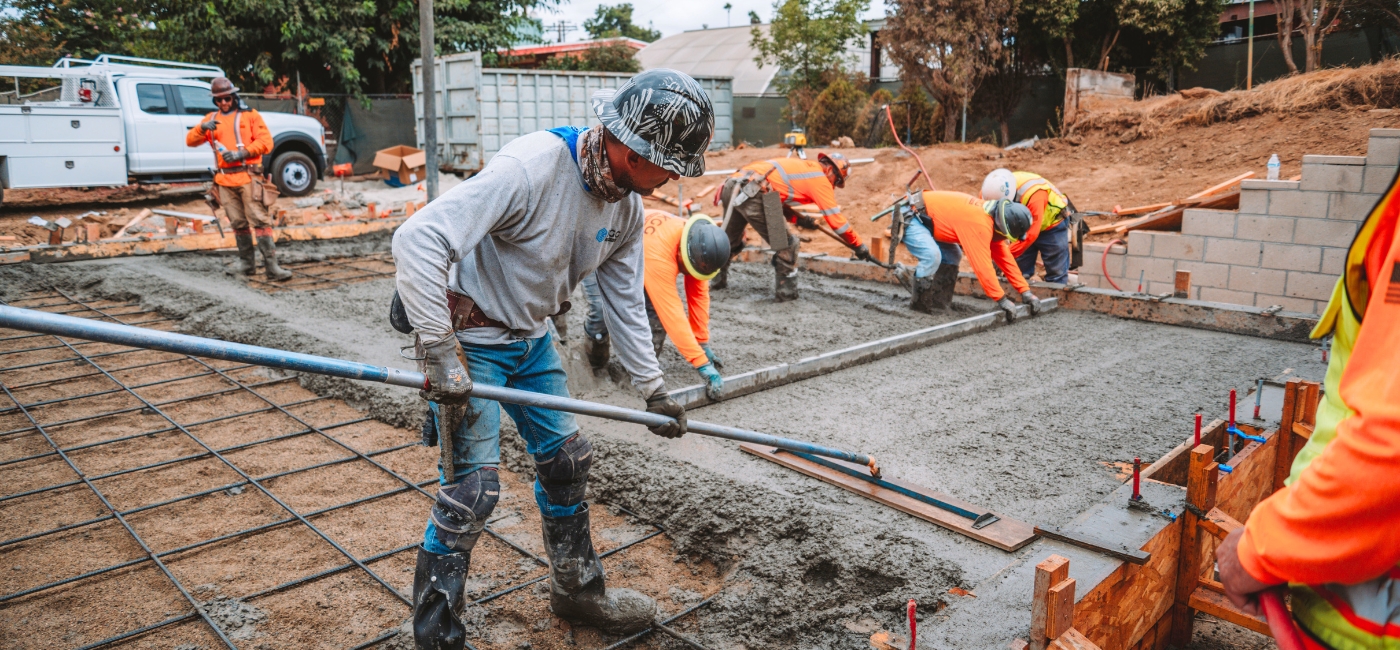
A construction contractor in Fullerton serves a city of 143,000 residents across 22.4 square miles where historic downtown districts meet suburban neighborhoods and commercial corridors. The city’s diverse building stock spans Craftsman homes in older neighborhoods, mid-century commercial buildings along Harbor Boulevard and Brookhurst Street, and modern developments throughout its geography creating varied construction demands.
WakeCo delivers construction services throughout Fullerton with expertise spanning residential renovations, commercial tenant improvements, historic building restoration, and new construction. Our approach emphasizes quality execution, transparent communication, and attention to detail that diverse projects require.
Residential Construction Services
Historic Home Renovations
Fullerton’s older neighborhoods contain Craftsman bungalows, Spanish Colonial homes, and Period Revival architecture requiring thoughtful renovation approaches. Foundation issues affect many historic homes—raised wood floors may experience settling, rot, or termite damage demanding repairs or replacement. Appropriate moisture barriers, ventilation, and treated lumber prevent recurring problems.
Electrical and plumbing systems in older homes often need complete replacement. Knob-and-tube wiring, aluminum wiring, and undersized service panels demand updates satisfying current code. Galvanized supply piping corrodes internally diminishing water pressure while cast iron drain lines deteriorate requiring modern replacements delivering reliable service.
Window and door replacements balance energy efficiency with historic character. Wood windows with appropriate weatherstripping and storm panels preserve original appearance while improving performance. Replacement windows in compatible styles maintain neighborhood character when original units prove beyond repair.
Room Additions and Remodels
Room additions expand living space while respecting existing architecture. Foundation systems match or improve upon original construction while framing integrates with existing structures through appropriate connections. Rooflines tie into existing pitches and overhangs maintaining architectural cohesion across old and new construction.
Kitchen remodels transform functional spaces through improved layouts, modern appliances, and updated finishes. Kitchen layouts optimize work triangles between sink, range, and refrigerator while delivering sufficient counter space and storage. Appropriate lighting includes task lighting for work areas and ambient lighting for overall illumination.
Bathroom renovations address layout efficiency, storage, and finishes withstanding moisture. Appropriate waterproofing behind tile prevents structural damage while exhaust ventilation removes moisture preventing mold growth. Fixture selections balance style preferences with water efficiency and operational reliability.
Accessory Dwelling Units
California’s ADU legislation encourages secondary housing units on residential properties. Detached ADUs demand complete utility connections, appropriate setbacks from property lines, and design compatibility with primary residences. Attached ADUs and garage conversions offer economical alternatives utilizing existing structures.
ADU construction addresses parking requirements, fire separation between units, and utility capacity serving additional dwelling units. Thoughtful planning coordinates city requirements with property constraints maximizing feasible unit sizes while maintaining outdoor space and privacy.
Commercial Construction Applications
Retail and Restaurant Tenant Improvements
Fullerton’s commercial districts along Harbor Boulevard, Commonwealth Avenue, and in downtown demand tenant improvements adapting spaces for various businesses. Retail construction creates customer appeal through storefront design, interior layouts guiding circulation, and lighting highlighting merchandise.
Restaurant tenant improvements coordinate the dining atmosphere with commercial kitchen functionality. Commercial kitchen construction demands health department plan approval before permits are released. Equipment layouts separate raw and cooked food preparation while Type I exhaust hoods over cooking equipment demand fire suppression systems satisfying NFPA standards.
Health department reviews examine surface materials, hand washing facilities, equipment placement, and appropriate drainage. Floor drains slope correctly while wall and ceiling finishes use smooth, non-absorbent materials creating safe food handling environments.
Office Tenant Improvements
Office construction serves professional services, healthcare practices, and small businesses throughout Fullerton’s commercial areas. Office tenant improvements coordinate space planning with HVAC modifications, electrical upgrades, and technology infrastructure supporting modern business operations.
Space planning balances private offices, open work areas, conference rooms, and reception spaces. Demising walls between tenants demand appropriate fire ratings while HVAC modifications address new layouts through ductwork rerouting and thermostat relocation.
Technology infrastructure includes structured cabling for data and voice systems, sufficient electrical circuits for computer equipment, and LED lighting with controls satisfying energy code requirements. These systems support contemporary workplace needs.
Medical and Professional Offices
Medical office construction addresses specialized requirements beyond standard office applications. Exam rooms need appropriate dimensions accommodating equipment and workflow while plumbing rough-ins serve sinks satisfying health code placement requirements. Enhanced HVAC delivers sufficient air changes maintaining air quality.
Professional offices including legal, accounting, and consulting firms demand appropriate finish quality, acoustic privacy, and technology infrastructure. Conference rooms need sound isolation while reception areas create professional first impressions through material quality and design.
Historic Building Restoration
Downtown Fullerton Buildings
Downtown Fullerton contains historic commercial buildings demanding specialized restoration approaches. Many buildings face structural issues, outdated systems, and code compliance challenges while maintaining historic character. Seismic retrofitting brings older unreinforced masonry buildings to current standards through appropriate bracing and anchoring.
Facade restoration preserves architectural details while addressing deterioration. Brick repointing uses appropriate mortar matching original composition. Window restoration repairs historic units where feasible while replacements match original profiles and materials. Storefront reconstruction recreates historic character using period-appropriate details.
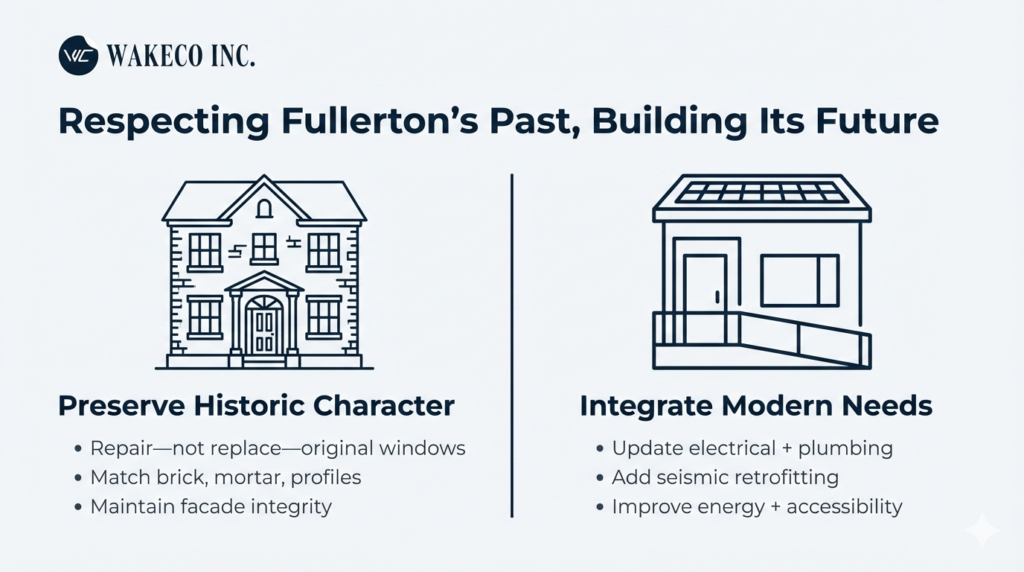
Building systems upgrades modernize electrical, plumbing, and HVAC systems while minimizing impacts to historic fabric. Concealed routing preserves interior finishes while modern equipment occupies discrete locations. These upgrades support contemporary uses within historic structures.
Adaptive Reuse Projects
Historic buildings throughout Fullerton undergo adaptive reuse converting obsolete uses into modern applications. Former retail spaces transform into restaurants, old warehouses become creative offices, and underutilized buildings gain new life through thoughtful renovation addressing structural capacity, accessibility, and code compliance.
Structural assessments determine existing capacity and necessary upgrades. Floor loads, lateral systems, and foundation conditions all demand evaluation. Accessibility improvements include ramps, elevators where feasible, and compliant restrooms opening buildings to all users while maintaining historic character.
Site Development and Improvements
Parking and Access
Residential and commercial projects demand sufficient parking satisfying municipal codes. Residential additions may trigger additional parking requirements while commercial uses specify particular ratios based on building area and use type. Driveway design addresses slope, width, and sight distance requirements.
ADA-compliant access delivers appropriate slope, width, and surface conditions. Commercial projects demand accessible routes from parking to building entries with appropriate curb ramps, landing dimensions, and detectable warnings at transitions.
Landscaping and Drainage
Appropriate site drainage prevents water from flowing toward structures. Grading slopes away from foundations while gutters and downspouts collect roof runoff directing it to suitable discharge points. Swales and drainage systems manage surface water preventing pooling near buildings.
Landscape design balances aesthetic appeal with water efficiency. Drought-tolerant plants reduce irrigation demands while appropriate plant selection addresses maintenance requirements. Hardscape materials including patios, walkways, and retaining walls withstand use and weather exposure.
Fullerton’s Building Environment
Development Services and Permitting
Fullerton’s Community Development Department processes building permits following plan review for code compliance. Residential permits typically process in 3-6 weeks while commercial projects demand 6-10 weeks depending on complexity. Historic properties may need additional review through the Cultural Heritage Commission.
Plan reviewers examine structural systems, mechanical design, electrical load calculations, and plumbing fixture counts verifying code compliance. Corrections address deficiencies before permit issuance while inspections throughout construction verify appropriate installation.
Historic Preservation Considerations
Properties designated as historic landmarks or located in historic districts demand Design Review Board approval for exterior modifications visible from public streets. The board evaluates compatibility with historic character considering materials, colors, architectural details, and overall design quality.
Preservation approaches emphasize retaining character-defining features through repair rather than replacement where feasible. New additions differentiate from historic fabric while remaining compatible through appropriate scale, materials, and detailing.
Seismic and Structural Requirements
Fullerton sits near the Whittier Fault experiencing ground motion from multiple fault systems. Structures demand appropriate seismic design through engineered systems resisting lateral loads. Older unreinforced masonry buildings need retrofitting to prevent collapse during earthquakes through appropriate anchoring and bracing.
Soft-story retrofitting addresses buildings with large openings at ground level. Appropriate bracing, moment frames, or shear walls deliver lateral resistance while foundation bolting connects wood-frame structures to concrete foundations preventing sliding during seismic events.
WakeCo’s Fullerton Expertise
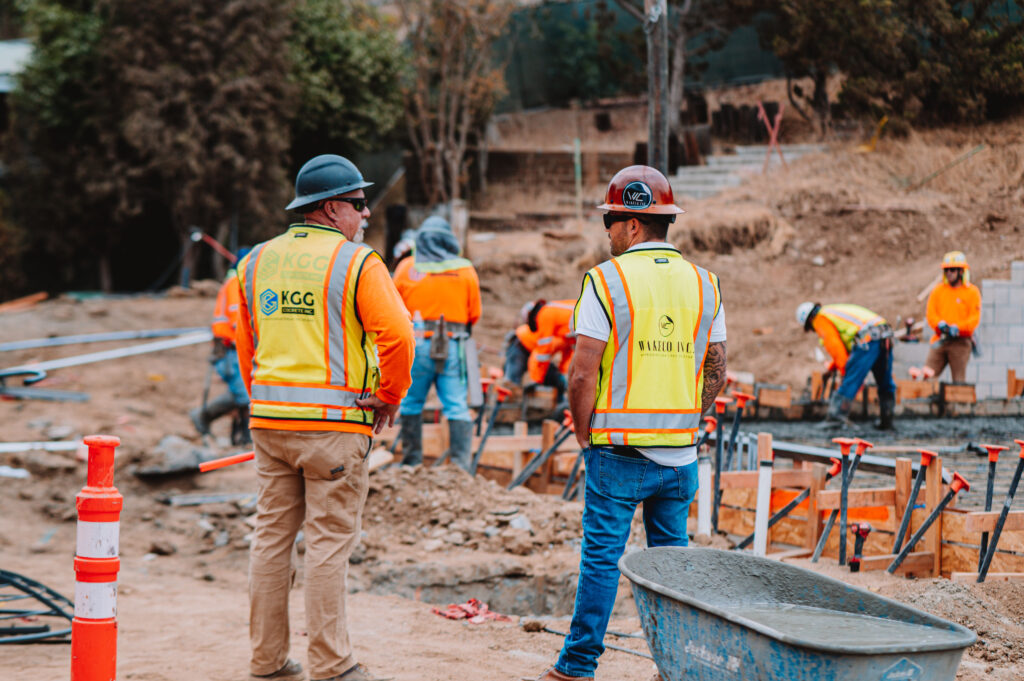
Our Fullerton experience spans historic home renovations, residential additions, commercial tenant improvements, and adaptive reuse projects. This diverse work informs our understanding of historic preservation requirements, varied building systems, and quality execution clients expect.
We maintain relationships with skilled trades demonstrating consistent quality and attention to detail. Our preconstruction planning includes thorough existing condition assessment, realistic scope development, and scheduling accounting for permit review timelines. Communication throughout projects keeps clients informed while addressing decisions promptly.
Quality control happens systematically through construction inspections at logical milestones. We catch issues when easily corrected rather than discovering problems after completion preventing costly rework while delivering results meeting expectations.
Delivering Expert Construction Solutions
Construction services in Fullerton require understanding diverse building types from historic structures to modern developments. Quality execution, appropriate material selection, skilled craftsmanship, and systematic project management all contribute to successful outcomes across residential and commercial applications.
Ready to discuss your Fullerton project? Contact WakeCo for expert general contracting solutions. We’ll assess your property, provide honest evaluation of scope and approach, and deliver results meeting your expectations. Call today or request a consultation online. Let’s build something that lasts.
Frequently Asked Questions
What types of projects does WakeCo handle in Fullerton?
We construct residential renovations and additions, commercial tenant improvements, historic building restoration, and ADU construction with expertise across diverse building types and project scopes.
How long do residential projects typically take?
Kitchen remodels require 6-10 weeks, bathroom renovations take 4-6 weeks, room additions need 3-5 months, and ADU construction spans 4-7 months. Permit processing adds 3-6 weeks before construction starts.
What permits does Fullerton require for construction projects?
Building permits apply to structural changes, electrical and plumbing work, additions, and significant remodels. Historic properties may need Design Review Board approval. Verify requirements with Community Development before starting work.
How does historic designation affect renovation projects?
Historic properties require Design Review Board approval for exterior modifications visible from public streets. The board evaluates compatibility with historic character though interior work typically faces fewer restrictions beyond standard building codes.
Why choose WakeCo for Fullerton construction?
We bring diverse Fullerton experience including historic renovations, residential additions, and commercial improvements with a quality-focused approach emphasizing proper materials, skilled execution, and systematic management supporting reliable delivery.