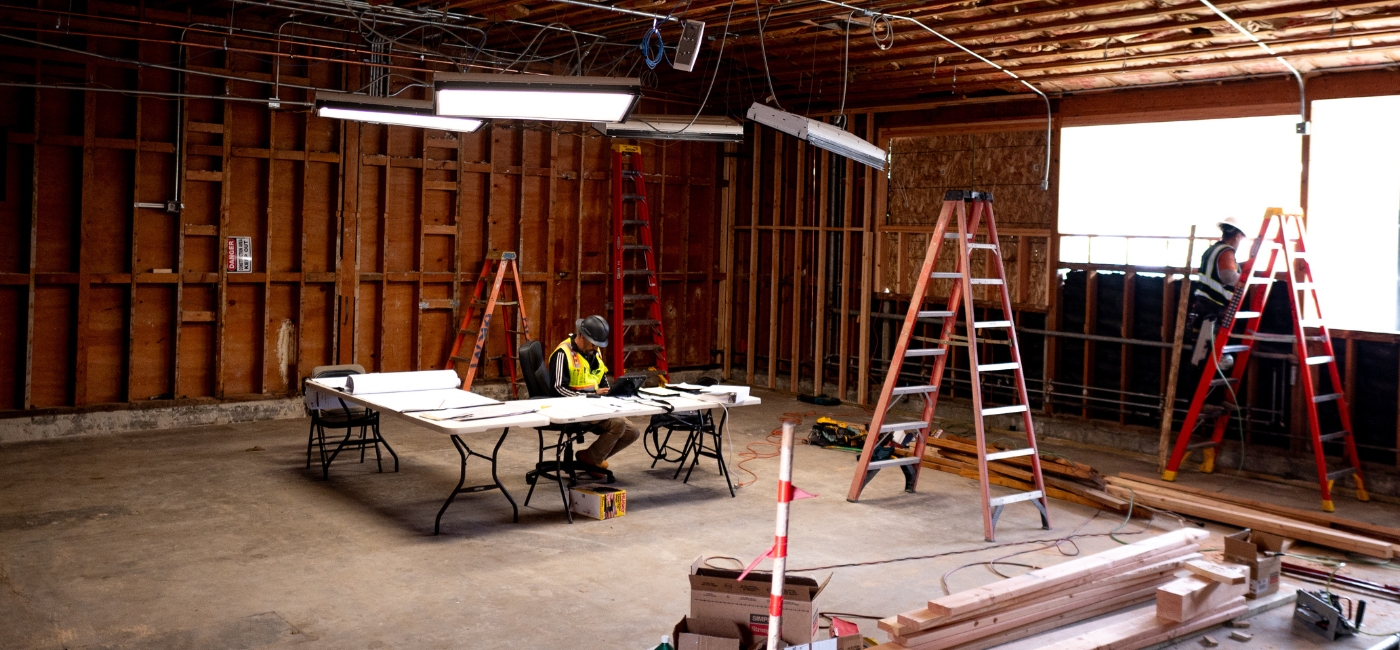
A general contractor in Carlsbad coordinates construction within a coastal environment that demands both technical precision and design sensitivity. With approximately 115,000 residents across 37.8 square miles, Carlsbad extends from the Pacific shoreline through seven distinct villages to eastern hillside terrain, each zone carrying unique building considerations.
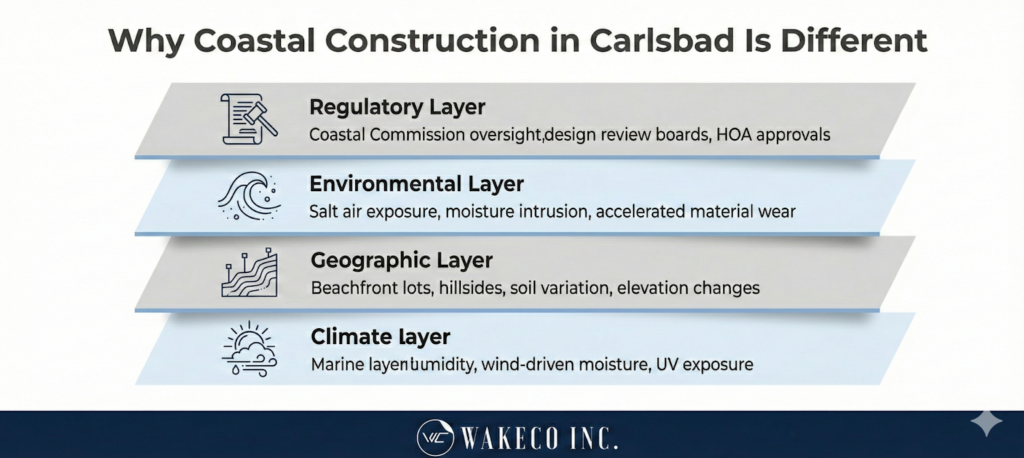
Salt air, marine layer moisture, and proximity to the California Coastal Commission’s jurisdiction shape nearly every construction decision here. The city’s commitment to village character, architectural cohesion, and environmental stewardship creates a regulatory framework that goes well beyond standard building codes. Projects succeed when contractors understand these coastal realities and navigate them with skill.
WakeCo approaches Carlsbad construction with specialized coastal expertise and commitment to lasting quality. We’ve built across this city’s diverse geography, from beachfront estates to inland family homes, and we understand what it takes to deliver projects that perform beautifully in demanding conditions. Our work reflects respect for Carlsbad’s character and dedication to craftsmanship that withstands time and elements.
What Makes Carlsbad Construction Unique
Carlsbad sits at the intersection of environmental sensitivity, architectural tradition, and coastal building science. Construction here navigates layers of oversight while responding to conditions that accelerate material aging and demand specialized approaches.
The Coastal Zone and Regulatory Framework
Properties within the California Coastal Zone trigger review beyond standard city permits. The Coastal Commission evaluates projects for environmental impact, public access preservation, visual resource protection, and climate adaptation. This oversight transforms what might be straightforward inland projects into complex approval processes requiring environmental documentation and public comment periods.
Village design guidelines add another review layer. Carlsbad’s seven villages each maintain architectural character through color palettes, material specifications, roofline requirements, and landscaping standards. Projects must demonstrate compatibility with surrounding development, and design review boards evaluate proposals for compliance before permits issue.
Homeowners associations govern many neighborhoods with CC&Rs that restrict exterior modifications. Architectural committees review everything from paint colors to window styles, fence heights to roof materials. Successful projects align these multiple approval processes into coordinated timelines that prevent redundant revisions.
Building in a Marine Environment
Salt air doesn’t just affect coastal properties—it penetrates several miles inland, requiring marine-grade specifications throughout much of Carlsbad. Standard galvanized fasteners corrode within years. Aluminum window frames pit and stain. Exterior hardware seizes. Wood siding warps and rots without proper moisture management.
Construction specifications respond to these realities. Stainless steel fasteners, marine-grade aluminum, hot-dipped galvanized metals, and specialized protective coatings become standard rather than upgrades. Window and door systems need robust weather sealing against wind-driven rain and fog. Ventilation details prevent moisture accumulation that breeds mold and degrades materials.
The marine layer creates daily humidity cycles that affect construction scheduling. Morning fog prevents paint application, concrete finishing, and moisture-sensitive installations. Experienced contractors time work phases to afternoon hours when conditions improve, maintaining progress without compromising quality.
Geographic Diversity Across Villages
Carlsbad’s topography varies dramatically from west to east. Coastal properties sit on relatively flat terrain with sandy soils and high water tables. Eastern hillside developments require engineered grading, retaining systems, and foundations that address slope stability and expansive soil conditions.
Temperature patterns shift with distance from the ocean. Coastal homes benefit from natural cooling and moderate year-round temperatures. Inland properties experience summer heat requiring robust HVAC systems and strategic shading. These microclimates influence energy modeling, equipment sizing, and comfort strategies.
Each village carries a distinct identity. The Village and Olde Carlsbad feature walkable, mixed-use cores with historic character. La Costa and Aviara present planned resort communities with golf courses and luxury amenities. Carlsbad Ranch and Bressi Ranch offer newer development with contemporary architecture. Construction approaches adapt to these varied contexts.
Solving Complex Project Challenges
General contractors in Carlsbad navigate challenges ranging from difficult site conditions to tight regulatory constraints. Success requires creative problem-solving, technical knowledge, and ability to coordinate multiple stakeholders toward shared goals.
Hillside and Blufftop Construction
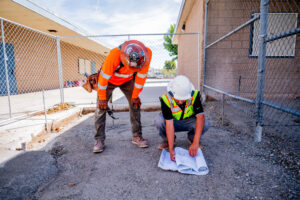
Properties with ocean views often occupy challenging terrain. Steep slopes require extensive grading to create buildable pads. Retaining walls stabilize cuts and fills. Drainage systems protect against erosion while preventing water from undermining foundations or flowing onto neighboring properties.
Geotechnical investigations reveal soil characteristics that guide foundation design. Some areas contain expansive clays that swell with moisture and shrink when dry, requiring post-tensioned slabs or deep pier-and-grade-beam systems. Coastal bluffs may need stability analysis and setback determinations that affect buildable area.
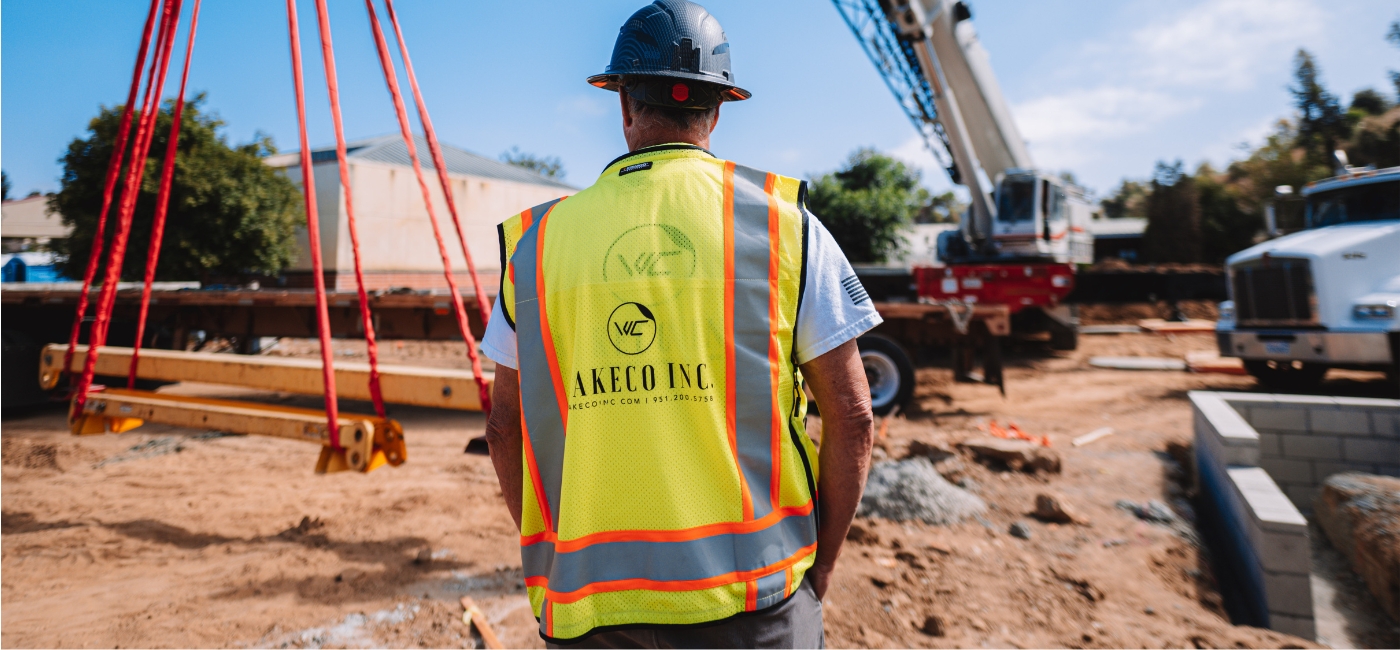
Access presents logistical challenges. Narrow streets limit equipment size and material deliveries. Crane lifts may be necessary for roofing materials or HVAC equipment. Staging areas require careful planning to avoid impacting neighbors while maintaining efficient workflow.
Historic Preservation and Adaptive Reuse
Some Carlsbad neighborhoods contain mid-century homes with architectural significance or community value. Renovation projects balance preservation goals with modern functionality, updating interiors and systems while maintaining exterior character and historic details.
Adaptive reuse converts older commercial structures into new uses. Former industrial buildings become creative office spaces. Vintage storefronts transform into restaurants or specialty retail. These projects require creative solutions for code compliance, particularly regarding accessibility, life safety systems, and structural upgrades.
Preservation work demands specialized skills. Matching historic materials, replicating architectural details, and understanding traditional construction methods all contribute to successful outcomes. Contractors coordinate with preservation consultants, historians, and review bodies to ensure work meets conservation standards.
Luxury Finishes and Custom Millwork
High-end projects in Carlsbad’s premium neighborhoods demand exceptional finish quality and custom detailing. Built-in cabinetry, coffered ceilings, wainscoting, crown molding, and architectural millwork require skilled carpentry and precise installation.
Stone and tile work creates dramatic visual impact. Book-matched slabs, intricate mosaic patterns, and seamless large-format installations require experienced fabricators and installers. Waterproofing systems beneath tile surfaces prevent moisture damage that would compromise these expensive finishes.
Lighting design layers ambient, task, and accent illumination to highlight architectural features and create atmosphere. Smart home systems integrate lighting, climate, security, and entertainment controls. These sophisticated installations require coordination between electricians, low-voltage specialists, and programmers.
Phased Construction Around Occupancy
Many renovation projects proceed while owners remain in residence. Phased construction sequences work to minimize disruption while maintaining livable conditions. Kitchens relocate temporarily to other spaces. Bathrooms renovate one at a time to preserve basic facilities. Dust barriers and ventilation protect occupied areas from construction impacts.
Commercial tenant improvements often work around business operations. Retail renovations happen overnight or during slow periods. Restaurant kitchen upgrades coordinate with closure schedules. Office improvements section off work areas while employees continue in adjacent spaces. These projects demand flexible scheduling, efficient execution, and clear communication with occupants.
The WakeCo Methodology: From Vision to Reality
Our approach to Carlsbad projects emphasizes understanding client goals, navigating complex approvals, and executing work that meets exacting standards in challenging conditions.
Listening and Planning
Projects begin with conversation. We ask questions about how you use spaces, what frustrations exist with current conditions, and what you hope to achieve. Site visits reveal existing conditions, constraints, and opportunities. This discovery phase informs realistic planning and prevents misaligned expectations.
We develop detailed scopes that break projects into phases, identify decision points, and establish quality benchmarks. Budgets account for coastal material requirements, approval timelines, and site-specific challenges. Schedules coordinate permitting, procurement, construction, and inspections into logical sequences.
Managing Approvals and Coordination
Carlsbad projects often involve multiple approval bodies—city building department, Coastal Commission, design review boards, HOA architectural committees, and utility providers. We prepare comprehensive submittals that address each agency’s requirements and concerns.
Our established relationships with local reviewers help streamline processes. We understand common feedback patterns and proactively address issues before they cause delays. Regular communication keeps approval processes moving and alerts clients to any required decisions or documentation.
Quality Construction Execution
Active construction brings our processes into focus. Daily coordination ensures trades arrive in proper sequence with necessary materials and information. Safety protocols protect workers and property. Quality checks verify work meets specifications before subsequent trades cover it.
We maintain organized jobsites that respect neighbors and minimize disruption. Material deliveries coordinate with staging areas and installation schedules. Waste management keeps sites clean and complies with environmental requirements. These operational details separate professional contractors from those who create chaos and frustration.
Standing Behind Our Work
Project completion includes thorough walkthroughs where we address any items requiring attention. We provide maintenance guidance for new systems and materials. Warranty support extends beyond handover, and we respond to any issues that emerge during warranty periods.
Our goal extends beyond finishing projects—we build relationships with clients who return for future work and refer us to friends and neighbors. That reputation depends on integrity, quality, and follow-through.
Building Carlsbad’s Future With Proven Expertise
A general contractor in Carlsbad must master coastal building science, navigate complex regulations, solve site challenges, and deliver craftsmanship that performs beautifully in demanding conditions. Success requires specialized knowledge and commitment to quality that separates adequate work from excellence.
Ready to move your project forward? Contact WakeCo today for a comprehensive consultation. We’ll visit your property, discuss your vision thoroughly, and develop detailed plans addressing design, approvals, budget, and timeline. Our coastal construction expertise ensures projects that exceed expectations and stand the test of time. Call now or request a project evaluation—let’s create something exceptional together.
Frequently Asked Questions
Why does coastal construction cost more than inland projects?
Coastal projects require marine-grade materials that resist salt air corrosion—stainless steel fasteners, specialized coatings, enhanced moisture barriers, and weather-resistant finishes all carry premium costs. Coastal Commission permitting adds expenses for environmental studies and extended timelines. Material delivery and labor rates in coastal markets also run higher than inland areas.
How long does Coastal Commission approval take?
Standard coastal development permits add three to six months beyond normal city permitting. Complex projects or those in sensitive areas may require additional environmental review extending timelines further. De minimis waivers for minor work process faster. Early consultation helps identify which approval path applies to your specific project.
Can I make exterior changes to my Carlsbad home?
Most properties require multiple approvals. City permits address code compliance and structural safety. HOA architectural committees review aesthetic compatibility. Properties in the coastal zone need Coastal Commission permits. Village design guidelines may add another review layer. Experienced contractors coordinate these approvals efficiently.
What’s the best time to start construction in Carlsbad?
Spring and fall offer ideal conditions with moderate temperatures and lower rainfall probability. Summer brings reliable weather but higher heat. Winter construction faces occasional rain delays. Marine layer affects morning work year-round. Most projects can proceed in any season with proper planning and weather-adaptive scheduling.
Does WakeCo have experience with difficult hillside sites?
Yes, hillside construction represents significant portfolio experience. We understand geotechnical requirements, retaining wall design, drainage systems, and foundation engineering for slope conditions. Our relationships with qualified engineers and specialty subcontractors support successful execution of challenging sites throughout Carlsbad’s varied topography.