
Finding the right general contractor in Orange County is about more than comparing bids—it’s about building a team you can trust from day one. Projects here demand precision, collaboration, and consistency, whether you’re breaking ground on a new facility or renovating an existing space.
That’s where WakeCo Inc. stands apart. With over 40 years of experience delivering public and private builds across Southern California, WakeCo combines deep local knowledge with a transparent, partnership-driven process. This guide explains how to plan your build team, evaluate reliability, and choose a contractor who can bring your Orange County project to life—on time and on budget.
What True Reliability Means When Choosing a General Contractor in Orange County
Hiring a general contractor in Orange County is about more than finding someone with the right licenses and experience—it’s about securing reliability from the ground up. In a region where strict regulations, tight schedules, and high client expectations intersect, reliability defines who delivers results and who doesn’t.
Reliability Starts with Systems
The most dependable contractors use structured systems for scheduling, cost control, and communication. They rely on standardized workflows and digital tracking tools to keep every phase on target.
Transparency Builds Trust
Reliable contractors maintain full visibility with clients. From detailed bids and material sourcing updates to weekly progress reports, transparency eliminates confusion and keeps all stakeholders aligned.
Safety and Quality Go Hand in Hand
A reliable build team treats safety as a culture, not a compliance task. They implement continuous site checks, equipment inspections, and team training to ensure consistency and reduce rework.
Team Depth and Accountability
Behind every dependable contractor is a strong internal team—project managers, site leads, and trade specialists who know how to collaborate efficiently.
In short, many contractors can appear qualified on paper, but truly reliable partners act as extensions of your team. They don’t just build structures—they protect your investment through precision, honesty, and proactive project management.
How to Structure Your Build Team: Contractor, Architect, Owner & Trades
A successful project in Orange County depends on assembling the right team—one that works together seamlessly from concept to completion. When each member understands their role and communicates clearly, the result is a project that stays on time, on budget, and within scope.
Owner/Client Role – Aligning Goals, Budget, Schedule
The owner defines the project vision and ensures it aligns with financial and operational goals. Setting clear priorities early—budget limits, completion targets, and functional needs—keeps every stakeholder accountable to the same objectives.
Architect/Engineer Interface – Design Continuity and Constructability Reviews
Architects and engineers turn ideas into buildable plans. Partnering closely with the contractor during design ensures practical layouts, accurate cost projections, and fewer changes during construction. Early constructability reviews prevent redesigns later.
General Contractor Role – Coordination and Leadership
The general contractor is the hub of the entire build team. They manage communication, oversee schedules, and ensure quality control across all trades. A reliable contractor uses structured systems to track progress and keep every discipline aligned.
Trade Networks & Partnerships – The Backbone of Execution
Subcontractors and suppliers bring the design to life. Contractors with strong local trade networks secure skilled labor and dependable materials—essential for maintaining quality and timelines.
When your team operates in sync, guided by an experienced general contractor in Mission Viejo, Costa Mesa, and across Orange County, SoCa, efficiency and confidence follow naturally.
Reliability in Action: Orange County–Specific Risks & How Reliable Contractors Mitigate Them
Building in Orange County comes with challenges that demand foresight and expertise. The region’s mix of coastal conditions, seismic requirements, and strict municipal oversight means even well-planned projects can face delays without the right leadership. Reliable contractors anticipate these hurdles early—and plan accordingly.
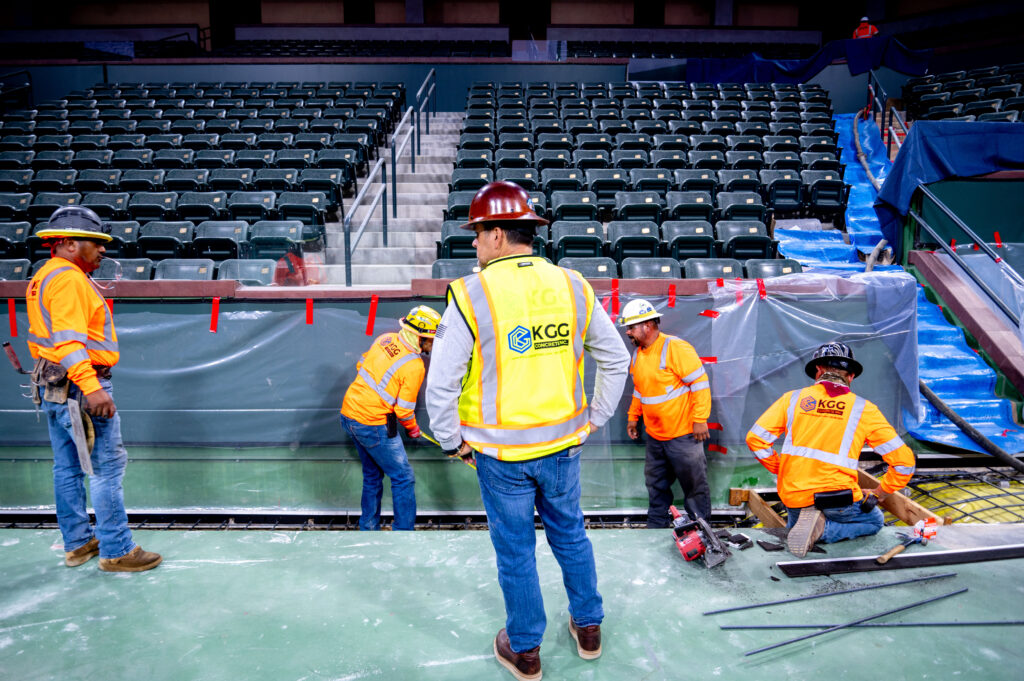
Permitting & Inspection Delays
Orange County’s multiple jurisdictions and layered approval processes can slow progress if not managed strategically. Reliable contractors know the local agencies, maintain relationships with inspectors, and prepare complete documentation upfront. Their familiarity with each city’s review cycle helps them secure faster approvals and prevent rework.
Labour & Supply Chain Constraints
With demand for skilled labor at an all-time high, reliable contractors rely on long-term partnerships with trusted trades and suppliers. These established networks allow them to mobilize teams quickly, secure materials efficiently, and maintain productivity—even during regional shortages or market shifts.
Code & Environmental Pressures
Projects near coastal or seismic zones must meet heightened safety and sustainability standards. Experienced contractors understand these local nuances—from stormwater management and structural reinforcements to energy-efficiency compliance—ensuring full alignment with state and county regulations.
Public vs. Private Sector Projects
Public works demand stricter reporting, documentation, and safety adherence, while private builds emphasize flexibility and client communication. Reliable contractors adapt seamlessly between both, customizing processes to meet the expectations of each sector.
In Orange County, reliability isn’t a buzzword—it’s a survival skill rooted in preparation, relationships, and regional expertise.
Key Indicators of a Reliable General Contractor – Checklist for Orange County Projects
In a market as competitive as Orange County, reliability is measurable. The best general contractors demonstrate consistency through systems, documentation, and results—not promises. Here’s what to look for before you commit to your build partner.
Scheduling and Milestone Tracking
- A clear, phased project schedule with defined deliverables and accountability checkpoints.
- Regular progress reports and updated timelines when changes occur.
- Use of project management tools to keep all stakeholders aligned.
Transparent Cost Controls
- Itemized bids that separate labor, materials, and contingencies.
- Clear documentation of all change orders before implementation.
- Open-book accounting practices that promote trust and prevent hidden costs.
Safety and Quality Assurance
- A formal safety program with site audits and ongoing team training.
- Documented quality control standards and regular inspections throughout the build.
Local Workforce and Trade Relationships
- Long-standing partnerships with Orange County subcontractors and suppliers.
- Ability to secure skilled labor and materials on short notice without compromising standards.
Proven On-Time Delivery
- A track record of projects completed within schedule and scope.
- Client references that verify punctuality and professionalism.
When these indicators align, you’re not just hiring a builder—you’re choosing a dependable partner invested in your project’s success.
Avoiding the Cost Trap – Why the Lowest Bid Isn’t Your Build Team’s Best Move
In construction, the cheapest option often ends up being the most expensive. Chasing the lowest bid can compromise quality, extend timelines, and lead to costly rework. A reliable contractor prioritizes long-term value—not short-term savings.
The Cost vs. Reliability Trade-Off
- Lowest Bid: May hide scope gaps, cheap materials, or limited oversight.
- Reliable Bid: Includes transparent pricing, contingency planning, and realistic schedules.
Choosing reliability over price means fewer surprises and stronger outcomes.
Questions That Reveal Reliability Over Cost
- How do you track and report budget changes during construction?
- Can you share recent projects completed on budget and on time?
- What’s your average change-order frequency per project?
- How do you manage subcontractor performance and material delays?
Contractors who can answer these confidently—and with documentation—are the ones who deliver consistency. In Orange County’s demanding market, value isn’t about paying less; it’s about paying once for a job done right.
Partnering with the Right General Contractor: How to Kick-Off the Relationship for Success
A reliable build starts with a strong foundation—not in concrete, but in communication. The way you onboard your general contractor sets the tone for collaboration, transparency, and project success. Here’s how to establish that alignment from day one.
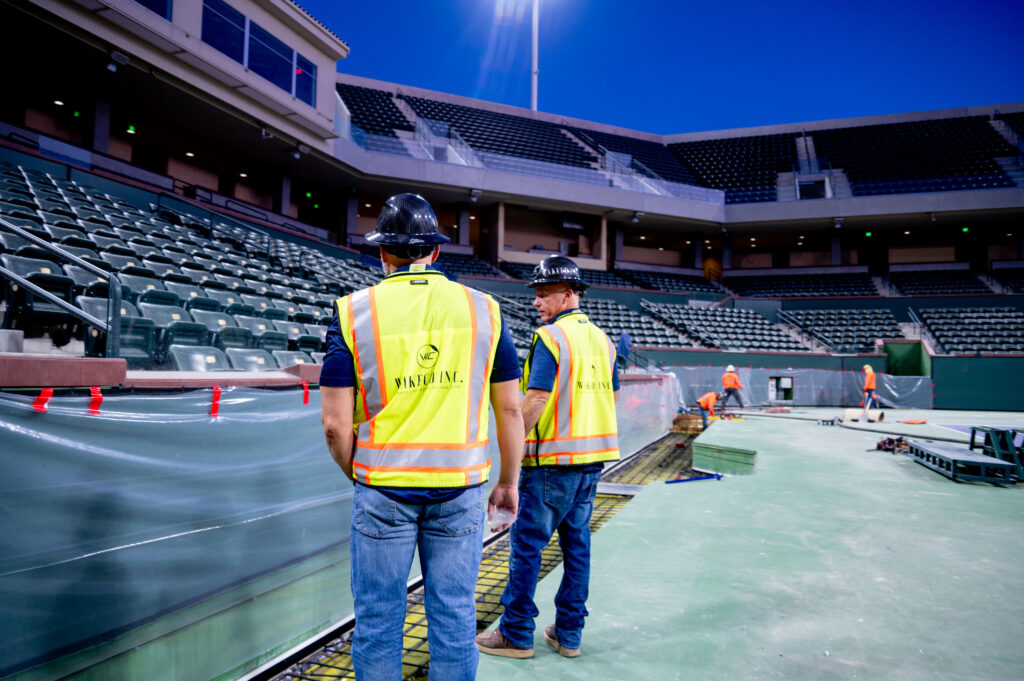
1. Begin with a Pre-Construction Meeting
This initial session defines goals, milestones, and expectations. Discuss budgets, timelines, and approval workflows to ensure everyone—from the owner to the trades—is aligned before the first shovel hits the ground.
2. Set Clear Communication Protocols
Agree on how progress updates, decisions, and changes will be shared. Reliable contractors use structured reporting systems and consistent points of contact to eliminate confusion.
3. Establish Governance and Accountability
Define who approves budgets, schedules, and design modifications. A transparent governance process prevents bottlenecks and keeps the project moving efficiently.
4. Handle Change Orders Strategically
Unexpected changes happen, but they shouldn’t derail progress. Reliable contractors present solutions with clear cost and schedule impacts before proceeding.
WakeCo Inc. follows this collaborative model on every project. Their process-driven approach ensures that trust, structure, and communication are established early—turning complex builds into well-managed, on-time successes.
WakeCo Inc. — Building Partnerships That Stand the Test of Time
In the world of construction, reliability isn’t promised—it’s proven. For over four decades, WakeCo Inc. has earned its reputation as one of Orange County’s most dependable general contractors by delivering projects built on trust, precision, and partnership.
A Legacy of Proven Performance
WakeCo’s extensive portfolio spans public works, commercial facilities, educational institutions, and industrial spaces. Each project reflects the company’s commitment to craftsmanship, compliance, and on-time delivery. Their long-standing relationships with architects, engineers, and municipal agencies give clients a measurable advantage when navigating complex builds.
Precision and Professionalism in Every Phase
Every WakeCo project is guided by process—meticulous planning, open communication, and rigorous quality control. The team’s proactive coordination and documentation ensure every stakeholder remains informed, minimizing surprises and keeping progress seamless from start to finish.
Partnership Beyond Construction
WakeCo’s philosophy extends beyond building structures; they build partnerships. Their client-first mindset means staying accessible, adaptable, and accountable long after project completion.
Whether managing a ground-up development or a specialized renovation, WakeCo Inc. brings consistency, clarity, and confidence to every job—making them the trusted choice for organizations that expect excellence, not excuses.
Build with Confidence — Partner with WakeCo Inc.
Choosing the right general contractor in Orange County shapes every outcome—budget, schedule, and quality. With WakeCo Inc., you get more than a builder; you gain a trusted partner committed to precision and performance. Their 40+ years of regional expertise, transparent communication, and strong trade relationships ensure every project moves smoothly from planning to completion. WakeCo’s collaborative approach turns complex builds into predictable successes, earning them long-term trust across public and private sectors. If you’re ready to plan your next project with confidence, connect with WakeCo Inc.—where reliability and results are built to last.
Frequently Asked Questions (FAQs)
1. How early should I bring a general contractor into my project in Orange County?
Ideally, involve your contractor during the design or budgeting phase. Early input helps refine costs, identify constructability issues, and streamline the permit process—saving time and avoiding redesigns later.
2. What’s the best way to verify a contractor’s reliability?
Look beyond online reviews. Ask for documented schedules, safety records, and references from recent clients. Reliable contractors can show consistent performance metrics and completed project histories.
3. How do Orange County’s regulations impact project timelines?
Coastal, seismic, and environmental regulations can extend permitting and inspection stages. Contractors familiar with regional agencies and code requirements help projects move faster through approvals.
4. What project management tools should a good contractor use?
Dependable firms rely on cloud-based project dashboards, scheduling software, and shared documentation systems that keep all stakeholders aligned in real time.
5. Why do some contractors consistently finish projects on time?
They prioritize planning and communication. Proven contractors like WakeCo Inc. use structured pre-construction coordination, milestone tracking, and well-established trade partnerships to prevent bottlenecks before they occur.