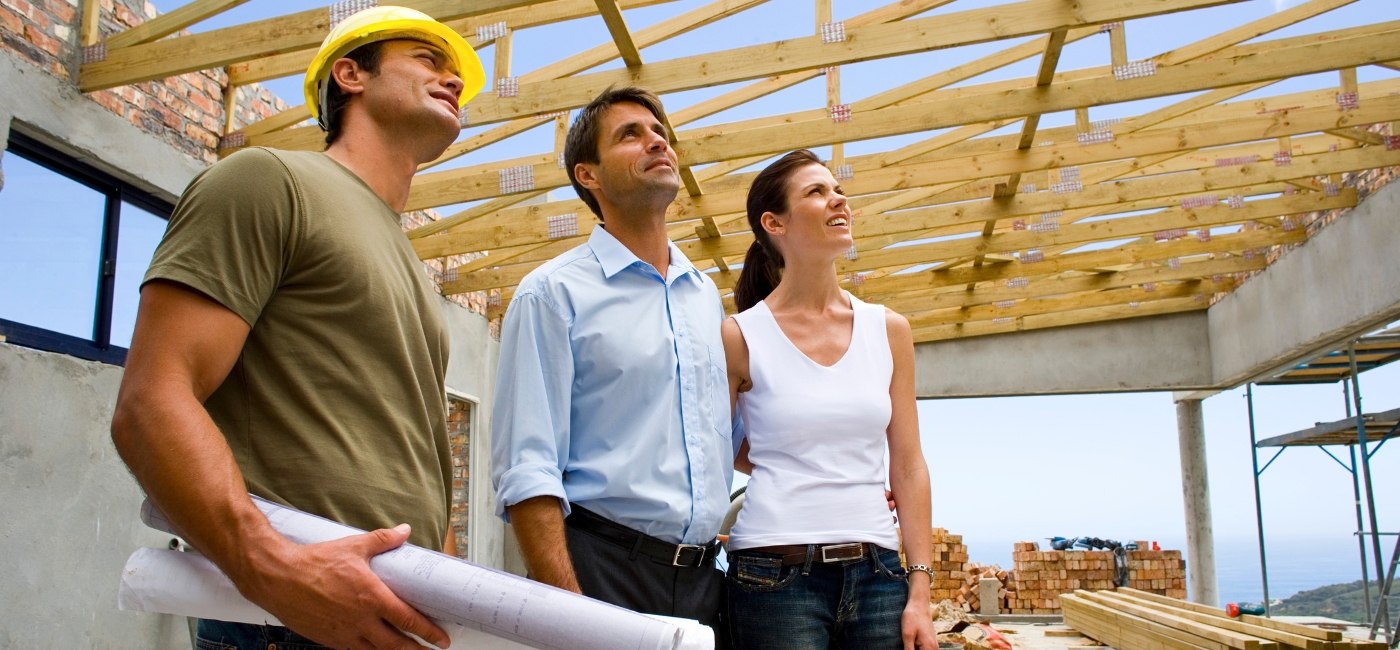
Exploring pre construction homes in San Diego opens the door to a unique opportunity—one where you can shape your future home before it’s even built. From design decisions to material selections, every choice defines value, comfort, and longevity. Yet, this process demands expertise that blends vision with technical precision.
That’s where WakeCo Inc. brings an edge. With decades of construction experience across Southern California, WakeCo guides homeowners and investors through every stage—from blueprint to build—with transparency and skill. In this article, we’ll uncover how pre-construction works, what to expect in San Diego’s market, and how to make informed, confident decisions.
What “Pre-Construction Homes” Really Mean in San Diego
In San Diego, the term pre-construction home doesn’t just refer to a house that hasn’t been built yet—it represents a tailored opportunity to influence every stage of creation, from design to delivery. Whether you’re purchasing into a new community or building on private land, understanding what “pre-construction” really means can help you make smarter, value-driven choices.
Land and Design Coordination
Every pre-construction project begins with location. Land costs in San Diego vary dramatically depending on proximity to the coast, zoning restrictions, and accessibility. Once the plot is secured, the design phase begins—often involving architectural planning, material selection, and engineering assessments to comply with California’s Title 24 energy standards.
Builder Contracts and Ownership Models
Buyers typically enter one of two paths:
- Speculative Builds – Developers build homes before sale, offering buyers limited customization but quicker timelines.
- Custom Builds – Clients collaborate directly with a builder or general contractor, shaping design, finishes, and systems from scratch.
Why It Matters in San Diego
With one of the highest cost-per-square-foot markets in California, pre-construction decisions directly affect long-term value. Choosing the right builder and plan can mean the difference between a home that simply looks good and one that performs beautifully for decades.
The San Diego Landscape and Why It Adds Complexity
Building or buying a pre-construction home in San Diego comes with tremendous potential—but also layers of complexity that set it apart from most other markets in California. From permitting hurdles to land scarcity and builder variability, every stage demands informed decision-making and a trusted partner.
Permitting and Code Demands
San Diego’s building environment is shaped by coastal and seismic regulations designed to protect both residents and the environment. Projects near the coast must meet setback rules, height restrictions, and environmental review processes. Inland, construction must comply with strict seismic and structural codes to ensure stability in earthquake-prone zones. These regulations safeguard long-term value but can extend planning and approval timelines if not managed efficiently.
Site and Land Cost Pressure
Available land in San Diego is limited, and competition for prime lots drives prices up sharply. Many pre-construction projects must account for grading, utility extensions, and slope stabilization—hidden costs that can add significantly to a project’s budget. The high price per square foot often trickles down to buyers, emphasizing the need for precise planning and transparent cost tracking.
Builder and Developer Variability
The region’s vibrant construction market attracts a wide range of builders—from boutique custom firms to high-volume developers. While this variety provides choice, it also introduces risk. Evaluating builder track records, warranty programs, and past client satisfaction is essential to ensure quality aligns with investment.
Navigating San Diego’s pre-construction ecosystem takes expertise, foresight, and strong local partnerships.
From Blueprint to Build: The Pre-Construction Home Journey
A pre-construction home isn’t just a purchase—it’s a journey. From the first sketches to the final walkthrough, each phase determines how efficiently and beautifully your future home takes shape. Understanding these steps helps you stay in control, manage expectations, and ensure your investment aligns with your vision.
Design and Specification
This stage brings your ideas to life. You’ll collaborate with architects, designers, and your builder to define the layout, materials, and key systems—everything from floor plans to HVAC and finishes. In San Diego, this is where upgrade selections and design windows come into play. Choosing finishes early prevents cost escalations later and ensures suppliers can meet demand on time.
Contract Types and Builder Roles
Once designs are approved, the next step is selecting your builder and finalizing the contract. Common structures include:
- Fixed-Price Contracts: The total cost is agreed upon upfront, offering budget certainty.
- Cost-Plus Contracts: You pay actual costs plus a management fee, ideal for custom or evolving designs.
In both cases, ensure your builder provides a comprehensive warranty covering materials, workmanship, and structural integrity. Reputable builders in San Diego also include post-occupancy service for adjustments after move-in.
Timeline Expectations
Pre-construction projects typically span 12–24 months, depending on permitting complexity and customization. Key milestones include design finalization, permitting approval, groundbreaking, framing, and final inspection. Staying engaged with progress reports and site visits allows you to monitor quality and address potential delays early.
A successful pre-construction journey blends vision, planning, and partnership—turning blueprints into a home built for life in San Diego.
The Buyer’s Evaluation Framework: What to Check Before You Commit
Before investing in a pre-construction home, due diligence is everything. The builder’s reputation, contract terms, and transparency can determine whether your experience is smooth or stressful. Use this framework to evaluate every critical factor before signing.
Builder and Developer Track Record
Start with research. Review the builder’s portfolio of completed projects in the San Diego area—especially those similar in size, style, and price range. Ask for references or visit past developments to evaluate craftsmanship, finishing quality, and customer feedback. A proven record of timely, high-quality delivery speaks volumes.
Contract Transparency
Contracts should clearly define your project’s scope of work, upgrade allowances, and decision deadlines. Ambiguity here often leads to cost disputes or delays. Confirm that every material and system selection is documented before construction begins.
Cost Control and Escalation Clauses
San Diego’s construction costs can fluctuate. Review escalation clauses carefully to understand how changes in material or labor pricing will be handled. Reliable builders offer realistic contingencies and communicate cost impacts upfront.
Quality and Warranty Standards
Look for detailed material specifications and warranty coverage. A comprehensive warranty should protect against defects in structure, mechanical systems, and workmanship for defined periods.
Timeline and Move-In Forecast
Ask for a milestone schedule and progress reporting plan. Builders who provide transparent timelines and regular updates are typically the ones who deliver on time.
A solid evaluation framework ensures your dream home rests on a foundation of trust and accountability.
Red Flags and Risk Mitigation in Pre-Construction Homes
Pre-construction homes offer flexibility and long-term value, but they also carry risks if key details are overlooked. Knowing what to watch for—and what to ask—can save you from costly surprises later.
Common Pitfalls to Avoid
Several recurring issues can derail even well-planned projects:
- Delayed Starts: Permitting backlogs or design revisions can push timelines significantly.
- Cost Escalations: Material or labor fluctuations without clear contingency clauses may inflate budgets.
- Builder Insolvency: Smaller or inexperienced builders can face financial strain mid-project.
- Spec Shortcuts: To save costs, some builders may downgrade materials or finishes without disclosure.
Red Flags to Watch For
If any of these occur, proceed cautiously:
- Vague or incomplete contracts with no breakdown of materials or allowances.
- Lack of proof that the builder has secured all necessary permits before deposit collection.
- Poor communication or resistance to transparency during early discussions.
- Absence of a warranty or unclear responsibility for post-build issues.
Questions to Ask Before Committing
- Has the builder secured full city and county permits?
- Are upgrade allowances and selections clearly documented?
- What is the escrow or financing structure—how are funds released?
- How is quality verified before handover, and is there a third-party inspection process?
A strong pre-construction plan is built on clarity, oversight, and open communication—your best safeguards against risk.
Expert Tips for Maximizing Value in Your Pre-Construction Home
The beauty of a pre-construction home lies in the control it gives you—but maximizing that control requires smart timing, clear communication, and strategic foresight. Here’s how to make every decision count and ensure your investment holds long-term value in San Diego’s competitive market.
Plan and Lock Early
Finalize your design selections and upgrades early. Late changes often lead to inflated costs and scheduling delays. Locking in choices during the planning stage helps secure pricing and keeps material procurement on track.
Stay Financially Prepared
Understand your financing timeline and build in cost contingencies for unforeseen expenses. A small reserve—typically 5–10% of total cost—protects against market or material fluctuations.
Think Beyond Move-In
Consider resale value and sustainability from the start. Homes with energy-efficient systems, solar integration, and compliance with Title 24 standards command higher long-term value and lower operating costs.
Key Tips Checklist
- Participate in early design walkthroughs.
- Review builder warranties and post-completion service coverage.
- Verify sustainability credentials and energy certifications.
- Negotiate upgrade pricing and allowances in writing.
Each step you take toward clarity and foresight adds measurable value—not just to your home, but to your overall ownership experience.
WakeCo Inc. — Turning San Diego Blueprints into Reality
When it comes to pre-construction homes in San Diego, few firms bring the depth of expertise and reliability that WakeCo Inc. does. With more than 40 years of experience across Southern California, WakeCo has earned its reputation for precision, transparency, and craftsmanship—guiding homeowners from the earliest design stages to final handover with complete confidence.
Comprehensive Pre-Construction Expertise
WakeCo’s approach begins long before the first foundation is poured. Their team collaborates with architects, engineers, and clients to ensure designs are both inspiring and practical—balancing aesthetics with code compliance and budget discipline. From land evaluation and permitting to structural planning, every step is handled in-house with meticulous attention to detail.
Transparent Systems, Predictable Results
Every WakeCo project is managed through a process-driven framework emphasizing clear communication, milestone tracking, and budget accountability. Clients receive real-time updates and documented quality checks throughout construction, ensuring expectations are met—never assumed.
Building Homes That Endure
WakeCo’s deep familiarity with San Diego’s terrain, climate, and regulations enables them to deliver homes that are as durable as they are beautiful. For clients seeking a trusted partner to turn vision into reality, WakeCo Inc. offers the rare combination of technical mastery and genuine craftsmanship—building not just homes, but lifelong confidence.
Build with Confidence — Partner with WakeCo Inc. for Your Preconstruction Home in San Diego
A pre-construction home offers more than a blank slate—it’s an opportunity to design a lifestyle, control every detail, and invest in long-term value. But success in San Diego’s demanding market depends on the expertise guiding your build. WakeCo Inc. brings decades of proven experience, transparent systems, and a client-first approach to every project, ensuring your home is delivered exactly as envisioned—on time, on budget, and built to last.
Whether you’re breaking ground on your dream home or exploring custom design options, trust WakeCo Inc. to lead the way from blueprint to build. Contact their team today to start your pre-construction journey with confidence.
Frequently Asked Questions (FAQs)
1. How early should I involve a builder in the pre-construction process?
Ideally, engage your builder during the design phase. Early collaboration helps align budgets, materials, and permitting requirements—reducing rework and ensuring your vision is technically and financially feasible.
2. What’s the biggest cause of budget overruns in San Diego pre-construction homes?
Most overruns stem from design changes after permitting or unplanned upgrades. Clear specifications, locked selections, and contingency reserves can help maintain cost control.
3. How can I verify a builder’s experience with San Diego’s permitting and code environment?
Ask for recent examples of completed projects within the same jurisdiction, along with references. Builders with long-standing local relationships typically move faster through permit approvals and inspections.
4. What makes San Diego’s pre-construction homes more expensive than other regions?
Coastal regulations, seismic standards, and limited buildable land all drive costs higher. Experienced builders manage these factors by optimizing design efficiency and sourcing materials locally.
5. How do I track progress once construction begins?
Reliable builders use milestone-based reporting and digital updates. Request a schedule showing key stages—foundation, framing, utilities, and finishes—and ensure regular walkthroughs are part of the process.