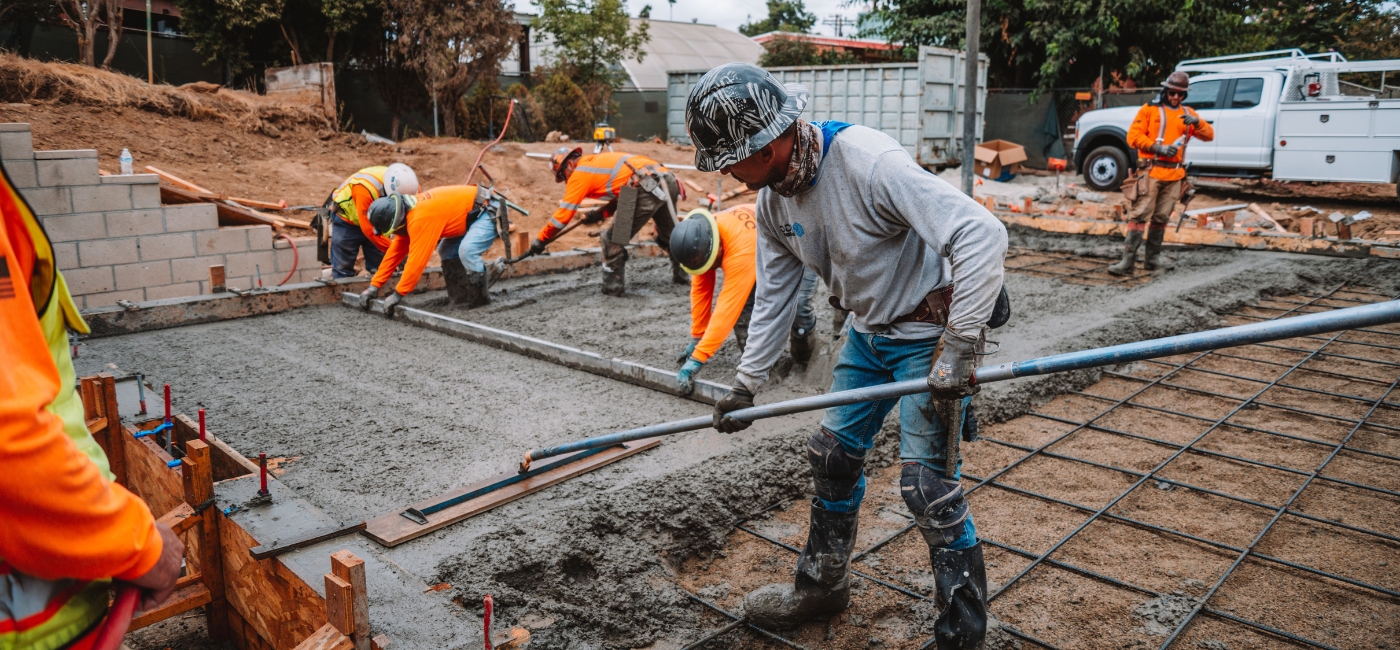
Opening a restaurant requires converting a commercial space into a functioning operation under the scrutiny of multiple regulatory agencies, within a budget that erodes quickly when construction surprises compound. The build out process determines whether a concept opens on schedule with systems that work or spends its first months correcting construction failures while bleeding operating capital.
WakeCo delivers restaurant build outs throughout Southern California with experience across kitchen systems, health department compliance, and the front-of-house construction that supports daily service. Our preconstruction process identifies the problems that sink restaurant openings before they have a chance to affect schedules or budgets.
Preconstruction: Where Restaurant Build Outs Are Won or Lost
Space Evaluation Before Lease Execution
The most expensive restaurant build out mistakes are made before construction begins — often before a lease is signed. A space that cannot support a concept’s kitchen exhaust requirements, gas load, or grease interceptor configuration commits the operator to either expensive infrastructure upgrades or a compromised kitchen layout. Neither outcome serves the concept well.
WakeCo evaluates prospective restaurant spaces during lease negotiation, assessing existing utility infrastructure, structural limitations, and base building conditions against the concept’s operational requirements. Operators who engage contractors before signing consistently avoid the space-selection mistakes that turn build outs into renegotiations.
Scope Definition and Budget Development
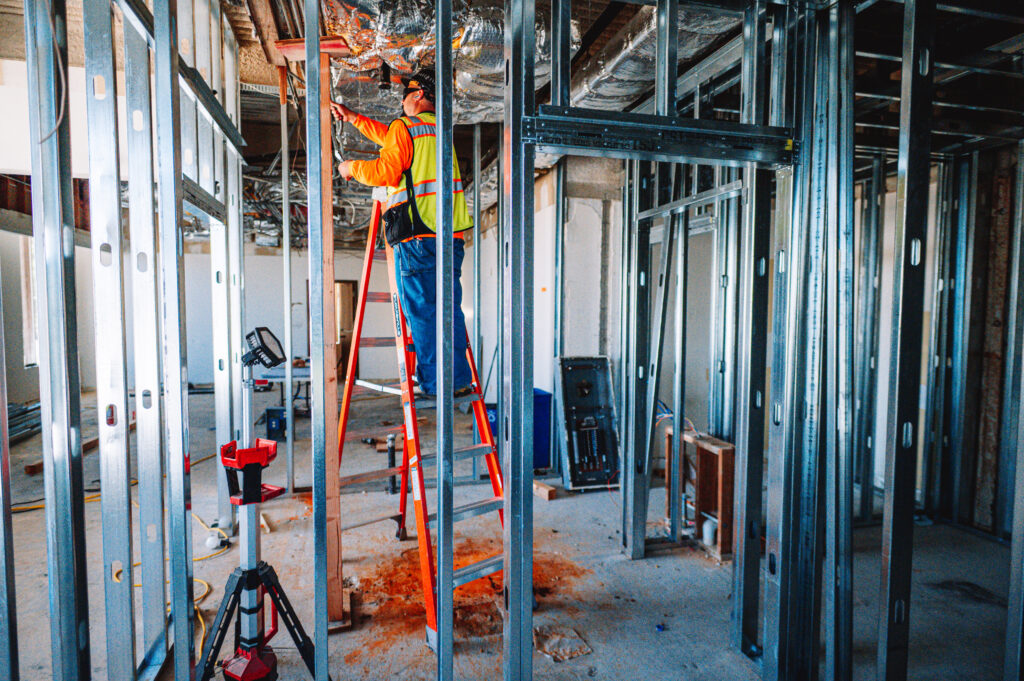
Restaurant build out budgets fail when scope definitions omit the systems that make restaurant spaces different from every other commercial interior. Kitchen exhaust, grease interceptors, gas infrastructure, health department-compliant finishes, and equipment coordination each carry costs that surface as change orders when preconstruction planning treats them as someone else’s responsibility.
WakeCo develops restaurant build out budgets from complete scope definitions accounting for all systems, finishes, and regulatory requirements before construction documents are finalized. Concepts that understand their full build out costs before lease execution make better real estate decisions than those who discover them mid-construction.
Permit and Regulatory Strategy
Restaurant openings require sign-offs from building departments, health departments, and fire marshals — three agencies with independent review processes that must be managed simultaneously rather than sequentially. Treating regulatory coordination as a construction-phase problem rather than a preconstruction responsibility routinely compresses opening timelines at the worst possible moment.
WakeCo maps permit and inspection requirements across all required agencies during preconstruction, identifying jurisdiction-specific standards and scheduling parallel review processes that keep approvals on pace with construction progress.
Kitchen Construction
Utility Infrastructure and Equipment Coordination
Kitchen utility infrastructure must be sized to actual equipment loads, not preliminary estimates. Gas lines undersized for peak BTU demand, electrical panels without capacity for all equipment running simultaneously, and drain systems inadequate for kitchen discharge volumes require corrections after rough-in that cost multiples of what proper sizing would have cost during design.
Equipment submittals change between design and procurement — dimensions shift, utility requirements differ from spec sheets, and substitutions alter rough-in locations. WakeCo holds rough-in work against confirmed equipment submittals rather than preliminary drawings, preventing the mismatch between infrastructure and equipment that delays kitchen commissioning.
Health Department Compliance
Health department plan review examines finish specifications, equipment placement, ventilation design, and handwashing station locations that building departments don’t evaluate. Non-compliant finish materials, incorrect coved base installation, or improper equipment clearances discovered at final inspection require correction before occupancy is authorized — and correction during the final push to opening is expensive in ways that go beyond direct costs.
WakeCo builds restaurant kitchens with health department requirements governing material specifications and construction details from the start. Pre-inspections scheduled before final review identify deficiencies when correction is straightforward rather than critical-path.
Front-of-House Construction
Durability and Operational Performance
Front-of-house finish selections made purely on aesthetic grounds routinely fail within the first year of service. Flooring that lacks adequate slip resistance creates liability exposure. Wall finishes near service areas that can’t withstand cleaning chemicals require replacement during operating hours. Millwork built to residential standards deteriorates under commercial use patterns.
WakeCo specifies front-of-house finishes against operational requirements — slip ratings, chemical resistance, traffic durability — without sacrificing the aesthetic intent the concept requires. Finishes that perform through a full lease term cost less over time than attractive selections that require premature replacement.
Bar and Service Infrastructure
Bar construction concentrates plumbing, electrical, refrigeration, and beverage system infrastructure into a footprint that demands precise coordination between rough-in work and millwork fabrication. Rough-in completed before millwork arrives prevents the sequencing failures that leave fabricators waiting on incomplete infrastructure and compress opening schedules.
WakeCo coordinates bar rough-in against confirmed millwork shop drawings, scheduling inspections before custom structures arrive on site and eliminating the delays that follow when these sequences are managed reactively rather than planned in advance.
Acoustic Design and Atmosphere
Hard surface restaurant environments amplify noise to levels that affect the dining experience regardless of food quality or service. Acoustic treatment integrated into ceiling and wall assemblies during construction costs far less than post-occupancy remediation — and remediation in an operating restaurant is disruptive in ways that affect both revenue and reputation.
WakeCo addresses acoustic performance during design, specifying assemblies that deliver the atmosphere the concept requires. Operators who defer acoustic planning until after opening face a problem that only gets more expensive the longer it goes unaddressed.
Building the Right Foundation for Your Restaurant Build Out
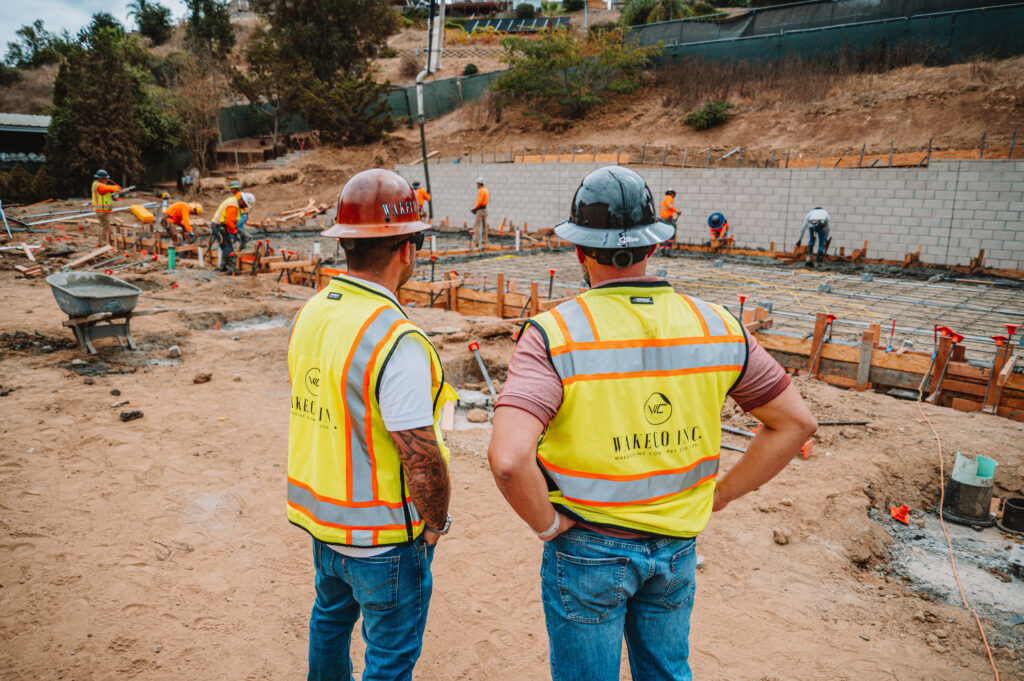
Restaurant build out success requires contractors who treat kitchen systems, regulatory compliance, and operational durability as core construction responsibilities rather than specialty concerns. Concepts that invest in preconstruction planning open on schedule with spaces that support service from the first day of operations.
WakeCo brings the technical experience and planning discipline that restaurant build outs require throughout Southern California. Contact us to discuss your concept and learn how our approach protects your opening timeline and build out the budget.
Frequently Asked Questions
How long does a restaurant build out typically take from lease execution to opening?
Most restaurant build outs require 4–6 months from lease execution to opening. Preconstruction and permitting typically accounts for 8–12 weeks before construction begins. Construction runs 10–16 weeks depending on kitchen complexity, finish scope, and base building condition. Concepts with elaborate kitchen configurations or extensive custom millwork run toward the longer end.
What does a restaurant build out cost per square foot in Southern California?
Build out costs commonly range from $150–$300 per square foot depending on kitchen complexity, finish level, and existing infrastructure. Full-service concepts with custom kitchens and elaborate front-of-house environments approach the higher end. Fast-casual concepts in second-generation spaces with reusable infrastructure cost considerably less.
What is a second-generation restaurant space?
Second-generation spaces retain infrastructure from prior restaurant tenants — grease interceptors, exhaust penetrations, gas lines, and hood systems — that reduce construction scope and cost significantly. A second-generation space whose prior configuration aligns with your concept can reduce build out costs by $50,000–$150,000 and shorten construction by several weeks.
How does health department review differ from building permit review?
Health departments conduct independent plan review and inspections examining finish materials, equipment placement, ventilation, and handwashing station locations that building departments don’t evaluate. Both approvals are required before occupancy. Managing them as parallel processes rather than sequential ones prevents timeline extensions that delay opening.
When should a contractor be engaged during the restaurant build out process?
Before lease execution if possible. Preconstruction space evaluation confirms that a prospective location can support the concept’s operational requirements at the anticipated budget. Operators who sign leases without this review frequently discover infrastructure limitations after they’re contractually committed to a space.