Riverside County spans 7,200 square miles from the San Bernardino Mountains to the Colorado River, creating construction demands across warehouse logistics centers, hospitality developments, medical facilities, retail complexes, and industrial parks. The region’s economy centers on logistics and distribution, agriculture, tourism, and growing residential populations driving commercial construction activity across diverse climates and jurisdictions.
WakeCo delivers general contracting throughout Riverside County with teams experienced in desert climate construction, multi-jurisdictional coordination across 28 incorporated cities, seismic building standards, and the operational complexity commercial projects demand. Our approach addresses extreme temperature conditions, expansive soil challenges, permit variations across municipalities, and construction logistics in rapidly developing areas.
Riverside County’s Desert Climate Construction Challenges
Riverside County experiences extreme temperature variations contractors accustomed to coastal California rarely encounter. Summer temperatures in desert communities regularly exceed 110°F. Winter nights in mountain-adjacent areas drop below freezing. Daily temperature swings of 40-50°F affect material performance, concrete curing, and construction scheduling.
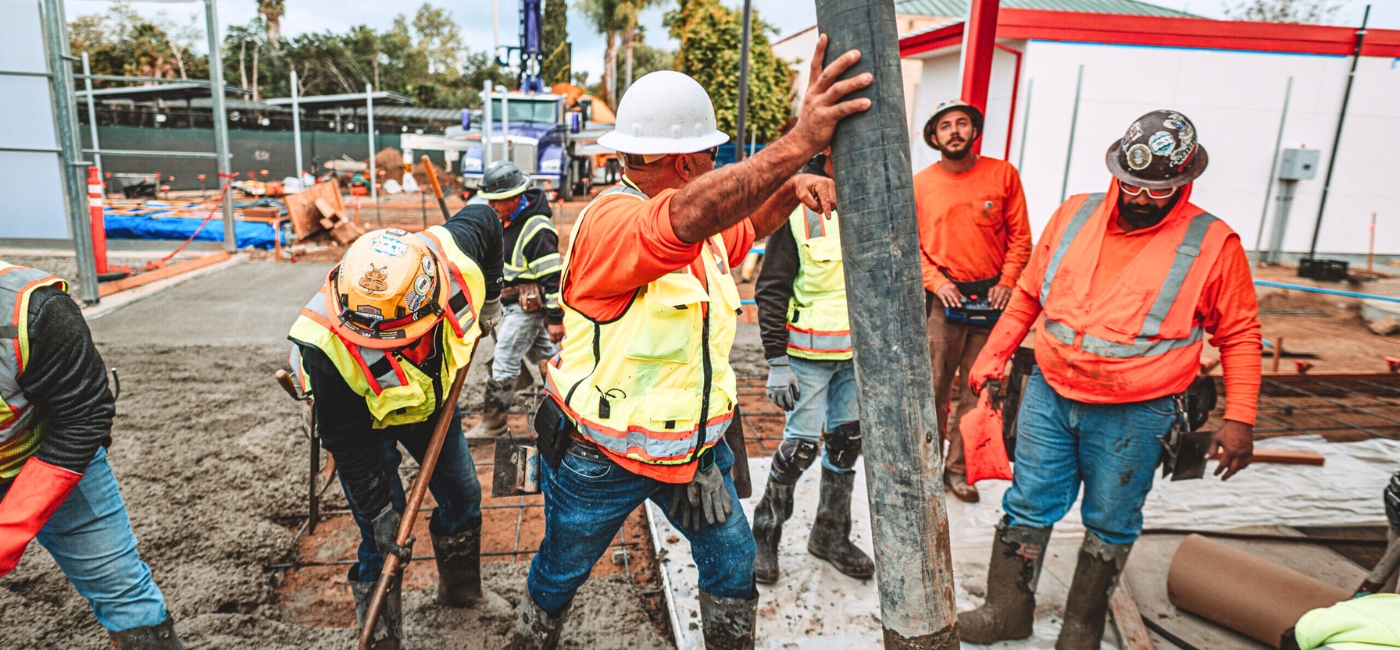
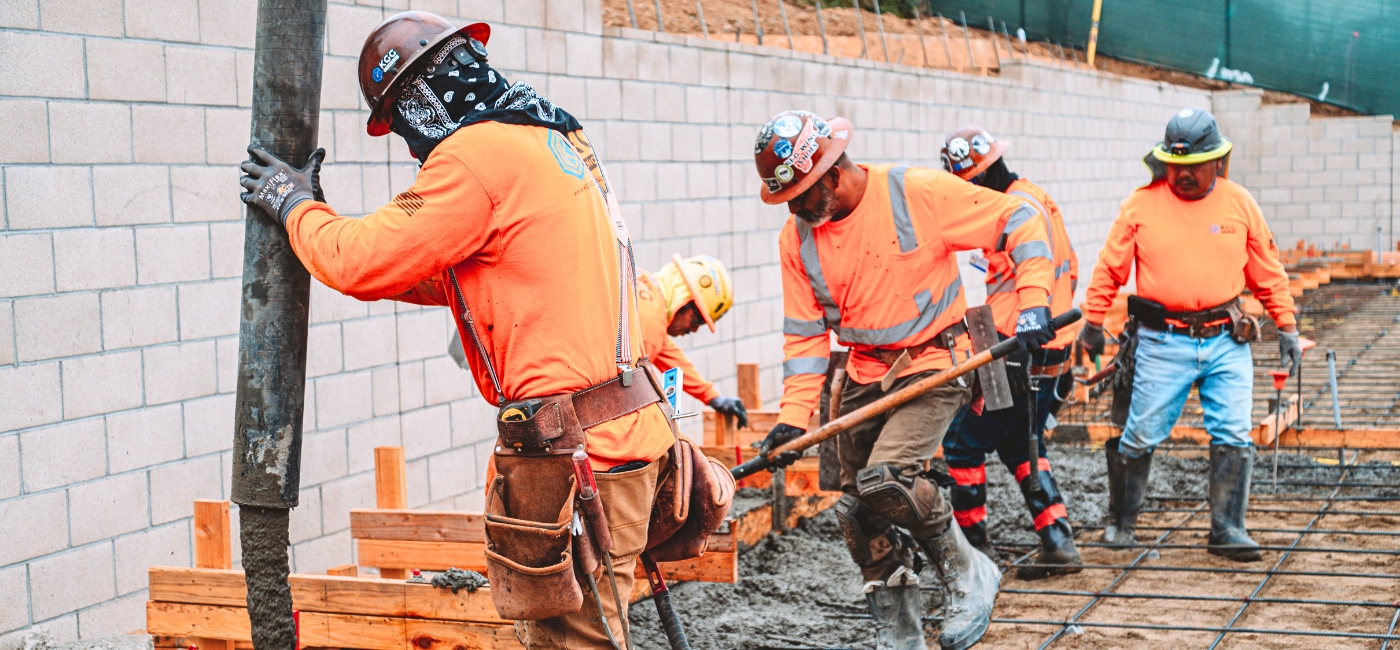
These conditions create challenges beyond standard construction practices. Concrete placement during extreme heat requires accelerated finishing, evaporation retardants, and sometimes nighttime pours. Roofing materials expand and contract dramatically, demanding proper detailing preventing premature failure. Worker productivity and safety require adjusted schedules during summer months.
WakeCo adapts construction methods to Riverside County’s climate extremes. Our concrete work during summer occurs in early morning hours with proper curing protocols. Our material specifications account for thermal expansion exceeding coastal requirements. We schedule temperature-sensitive installations during optimal weather windows rather than forcing work during dangerous conditions.
Navigating Riverside County’s Multi-Jurisdictional Complexity
Riverside County contains 28 incorporated cities plus vast unincorporated areas, each administering unique permit processes and development standards. Riverside and Corona enforce different requirements than desert communities like Palm Desert and Indio. Unincorporated areas follow county jurisdiction with distinct review procedures from municipal processes.
Permit Process Variations Across Jurisdictions
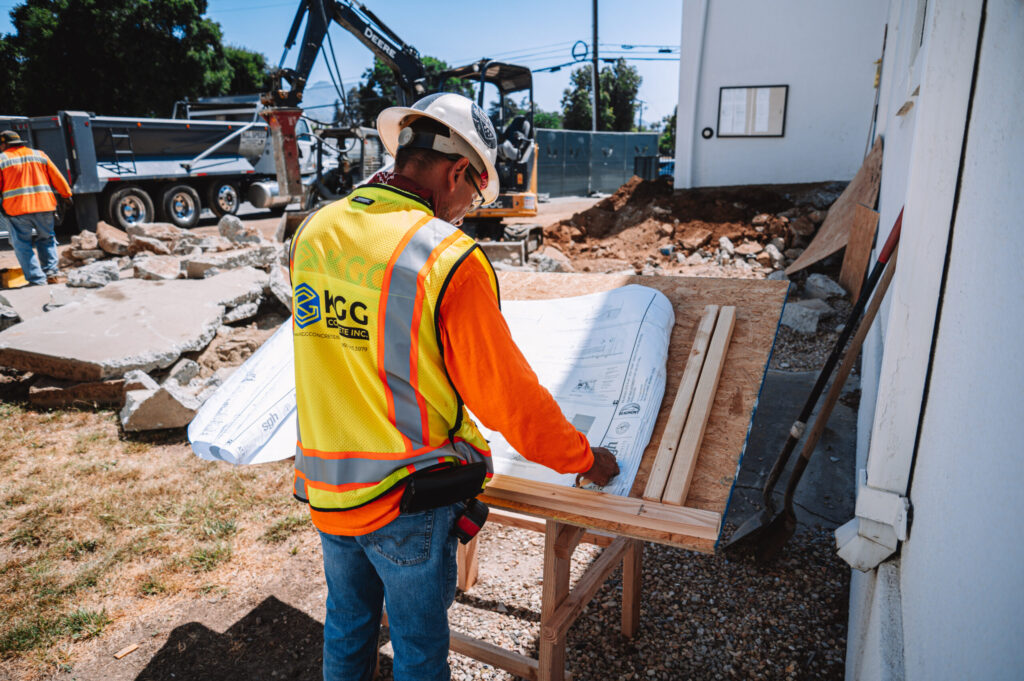
Commercial projects face different submittal requirements, review timelines, and development impact fees depending on jurisdiction. Some cities offer expedited review for priority project types. Others require extensive discretionary approvals for routine commercial construction. Understanding these variations prevents permit delays.
WakeCo maintains relationships with building departments across Riverside County jurisdictions. Our preconstruction teams identify applicable permit pathways before submitting applications, structuring schedules around realistic approval timelines rather than uniform assumptions.
Development Impact Fees and Infrastructure Requirements
Riverside County jurisdictions assess varying development impact fees funding transportation, utilities, and public facilities. Some areas require on-site improvements beyond property boundaries. Desert communities sometimes mandate landscaping using approved low-water species and irrigation systems meeting water conservation standards.
WakeCo’s estimating includes jurisdiction-specific fees and requirements, preventing budget surprises during permit processing. Our site planning addresses infrastructure requirements early in design rather than discovering obligations during plan review.
Commercial Construction Types WakeCo Delivers Across Riverside County
Warehouse and Logistics Facilities
Inland Riverside County serves as a major logistics hub with warehouses supporting Southern California distribution networks. These facilities require construction addressing clear span structures, dock-high loading, heavy floor loads, and utility infrastructure for automated material handling systems.
WakeCo constructs logistics facilities with attention to foundation systems supporting racking loads, structural design accommodating equipment operations, utility capacity for warehouse management technology, and construction schedules meeting tenant occupancy deadlines.
Hospitality and Resort Properties
Desert communities support resort hotels, golf course developments, and hospitality properties serving tourism markets. These projects require construction addressing extreme climate conditions, water conservation requirements, architectural character standards, and finish quality meeting guest expectations.
WakeCo delivers hospitality projects with material specifications withstanding desert exposure, mechanical systems handling extreme temperatures efficiently, and finish execution reflecting brand standards while maintaining durability.
Medical Office and Urgent Care Centers
Growing residential populations drive healthcare facility construction across Riverside County. Medical offices require specialized construction addressing infection control, equipment coordination, and accessibility standards beyond routine commercial buildings.
WakeCo constructs healthcare facilities with proper code compliance for medical occupancies, equipment infrastructure supporting clinical operations, and finish selections meeting sanitation requirements while maintaining professional aesthetics.
Retail and Mixed-Use Developments
Commercial corridors throughout Riverside County contain retail centers, restaurants, and mixed-use projects serving expanding communities. These developments demand construction coordination across multiple tenants, durable finishes, and sometimes phasing allowing partial occupancy during ongoing construction.
WakeCo manages retail projects coordinating tenant improvement schedules, maintaining finish quality standards, and implementing construction logistics minimizing disruption to operating businesses within centers.
How WakeCo Addresses Riverside County Construction Demands
Expansive Soil and Foundation Engineering
Many Riverside County locations contain expansive clay soils that swell with moisture and shrink when dry. This movement creates foundation challenges requiring specialized engineering beyond standard slab-on-grade construction. Improper foundation design leads to structural cracking and building distress.
WakeCo coordinates geotechnical investigation before design completion, implementing foundation systems addressing site-specific soil conditions. Our construction follows engineering specifications for moisture barriers, reinforcement placement, and post-tensioning when required by soil conditions.
Extreme Temperature Construction Protocols
Desert construction requires adjusted methods protecting material performance and worker safety. Concrete curing demands careful moisture management preventing rapid evaporation. Roofing and sealant installation must occur within manufacturer temperature specifications. Worker schedules shift to cooler hours during summer extremes.
WakeCo implements temperature-specific protocols throughout construction. Our quality control verifies materials are installed within proper temperature ranges. Our safety programs address heat illness prevention during extreme conditions.
Water Conservation and Landscape Requirements
Riverside County jurisdictions enforce water conservation standards affecting landscape design, irrigation systems, and sometimes building water fixtures. Desert communities maintain strict requirements for drought-tolerant landscaping and efficient irrigation technology.
WakeCo coordinates landscape and irrigation design meeting jurisdiction-specific water conservation standards, preventing permit obstacles and ensuring compliance with ongoing maintenance requirements.
Subcontractor Coordination Across Large Geographic Area
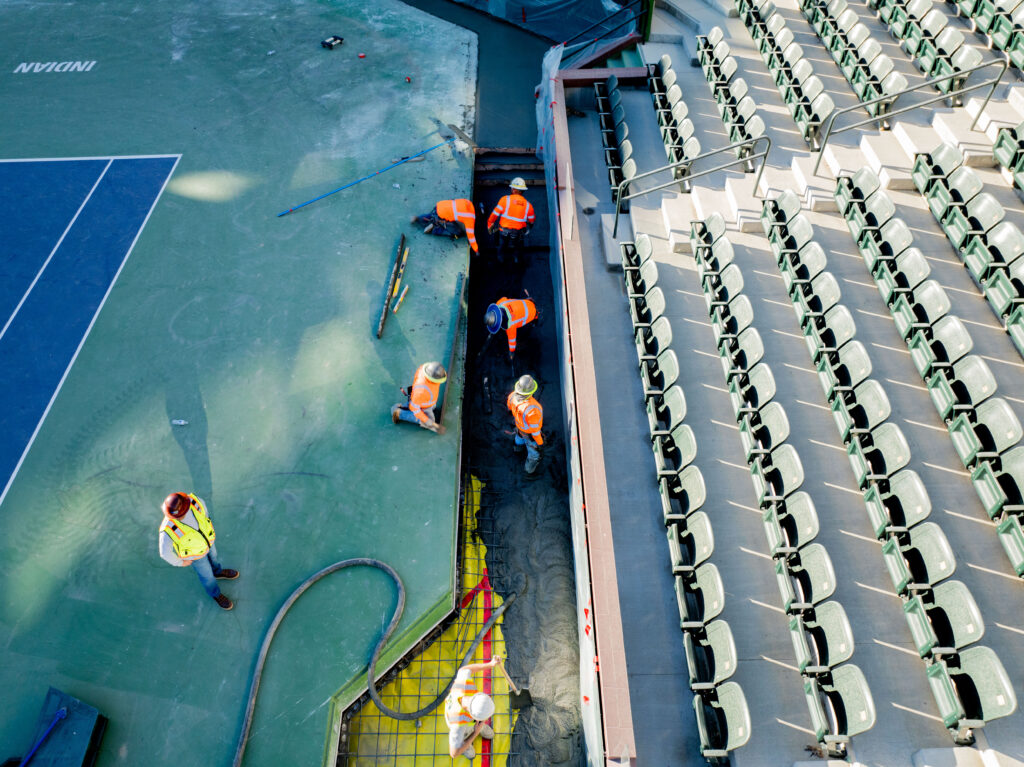
Riverside County’s geographic size creates subcontractor availability variations. Specialty trades concentrated in western county areas charge premiums for desert community projects. Material suppliers may limit delivery areas or assess distance surcharges.
WakeCo maintains subcontractor relationships throughout Riverside County and realistic understanding of availability and pricing across different regions. Our estimating reflects actual costs rather than assuming uniform county-wide rates.
Why Riverside County Clients Choose WakeCo
Clients select WakeCo because our Riverside County experience across jurisdictions, climates, and project types informs our approach from preconstruction through completion. We understand desert construction demands differ from mountain-adjacent communities. We navigate permit processes across multiple cities efficiently. We deliver projects designed for extreme climate performance.
Our teams prevent failures common when contractors apply standard Southern California methods to Riverside County’s unique conditions. We build commercial environments meeting operational requirements while addressing the environmental challenges this region presents.
Building Riverside County’s Commercial Infrastructure
General contracting across Riverside County requires understanding climate extremes, multi-jurisdictional coordination, soil conditions, and water conservation requirements distinguishing this region. Material specifications, foundation engineering, permit navigation, and construction timing all contribute to successful project delivery.
Ready to discuss your Riverside County commercial project? Contact WakeCo for general contracting services bringing regional expertise to your construction needs. We’ll review your requirements, explain our approach, and demonstrate how our Riverside County experience delivers successful outcomes. Call today or request a consultation online.
Frequently Asked Questions
How does Riverside County’s desert climate affect construction methods and scheduling?
Desert climate requires concrete placement during cooler hours with evaporation retardants and extended curing. Roofing and sealant work must occur within manufacturer temperature specifications, often limiting installation to morning hours during summer. Worker schedules shift to earlier start times avoiding midday heat extremes. Material specifications must account for thermal expansion exceeding coastal requirements.
What makes permit processing different across Riverside County jurisdictions?
Each of Riverside County’s 28 cities maintains unique submittal requirements, review timelines, and development standards. Western cities like Corona and Riverside differ from desert communities like Palm Desert in permit procedures and impact fees. Unincorporated county areas follow distinct processes from municipal jurisdictions. Understanding these variations prevents approval delays.
Why do expansive soils affect Riverside County construction costs?
Expansive clay soils swell with moisture and shrink when dry, creating foundation movement damaging structures. This requires geotechnical investigation, specialized foundation systems like post-tensioned slabs, moisture barriers, and sometimes deeper foundations. These engineering solutions increase foundation costs 30-50% compared to stable soil conditions.
How long does commercial permit approval take in Riverside County?
Standard commercial permits require 6-8 weeks with complete submittals in most jurisdictions. Projects requiring discretionary approvals extend to 12-16 weeks. Desert resort communities sometimes add architectural review extending timelines. Unincorporated county projects face different review schedules than municipal permits. Realistic scheduling accounts for jurisdiction-specific timelines.
What water conservation requirements affect Riverside County commercial projects?
Most jurisdictions require drought-tolerant landscaping, high-efficiency irrigation systems, and sometimes water-efficient plumbing fixtures. Desert communities enforce strict limits on turf areas and require approved plant palettes. These requirements affect landscape design, irrigation infrastructure, and ongoing maintenance obligations.
Can warehouse construction occur year-round in Riverside County?
Yes, though extreme summer heat affects concrete placement timing, roofing schedules, and worker productivity. Large concrete pours often occur at night during summer months. Construction schedules account for reduced productivity during temperature extremes. Proper planning maintains progress while addressing climate challenges.
What should property owners verify before hiring a Riverside County contractor?
Verify active California contractor licensing through CSLB, review previous projects in similar Riverside County locations and building types, confirm experience with desert climate construction if applicable, check insurance coverage adequacy, and evaluate understanding of relevant jurisdictional requirements. Regional experience matters given county’s geographic diversity.
How do logistics facility builds differ from standard commercial construction?
Logistics warehouses require clear span structural systems, heavy floor loading capacity for racking systems, dock-high loading areas, utility infrastructure for automated equipment, and sometimes enhanced fire suppression. Foundation design addresses concentrated loads. Construction schedules often face tight tenant move-in deadlines requiring efficient coordination.