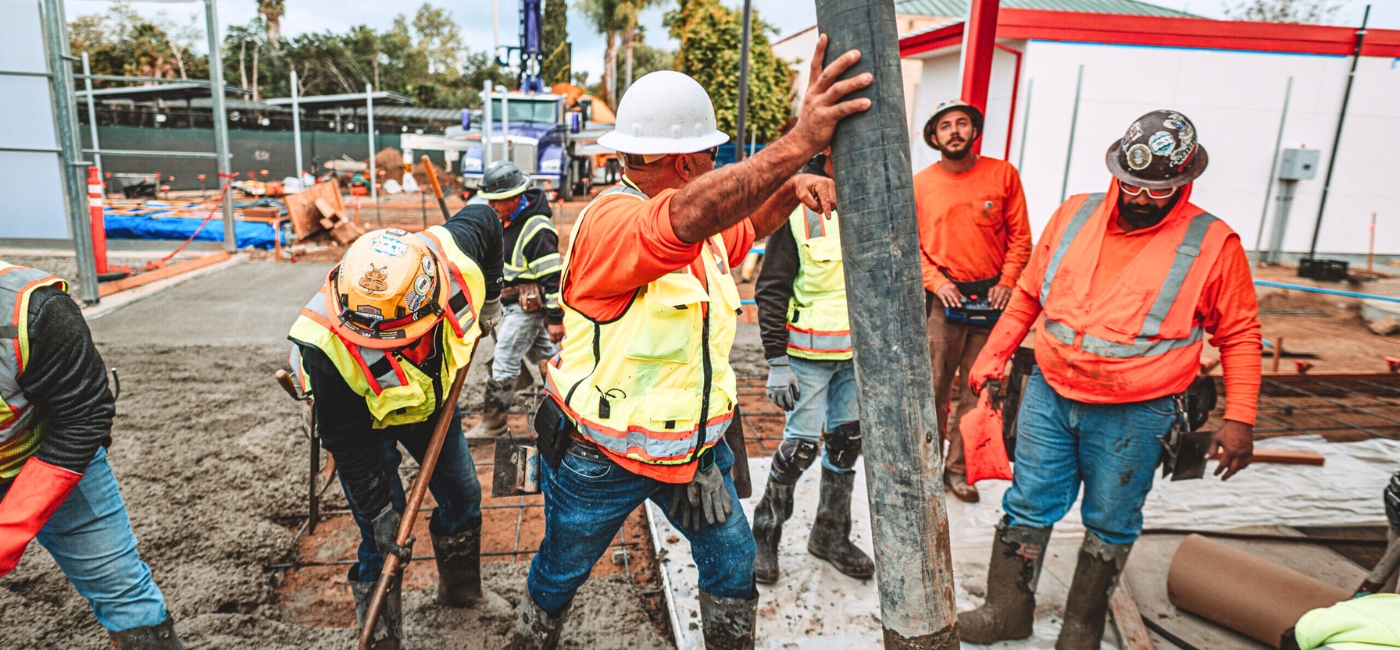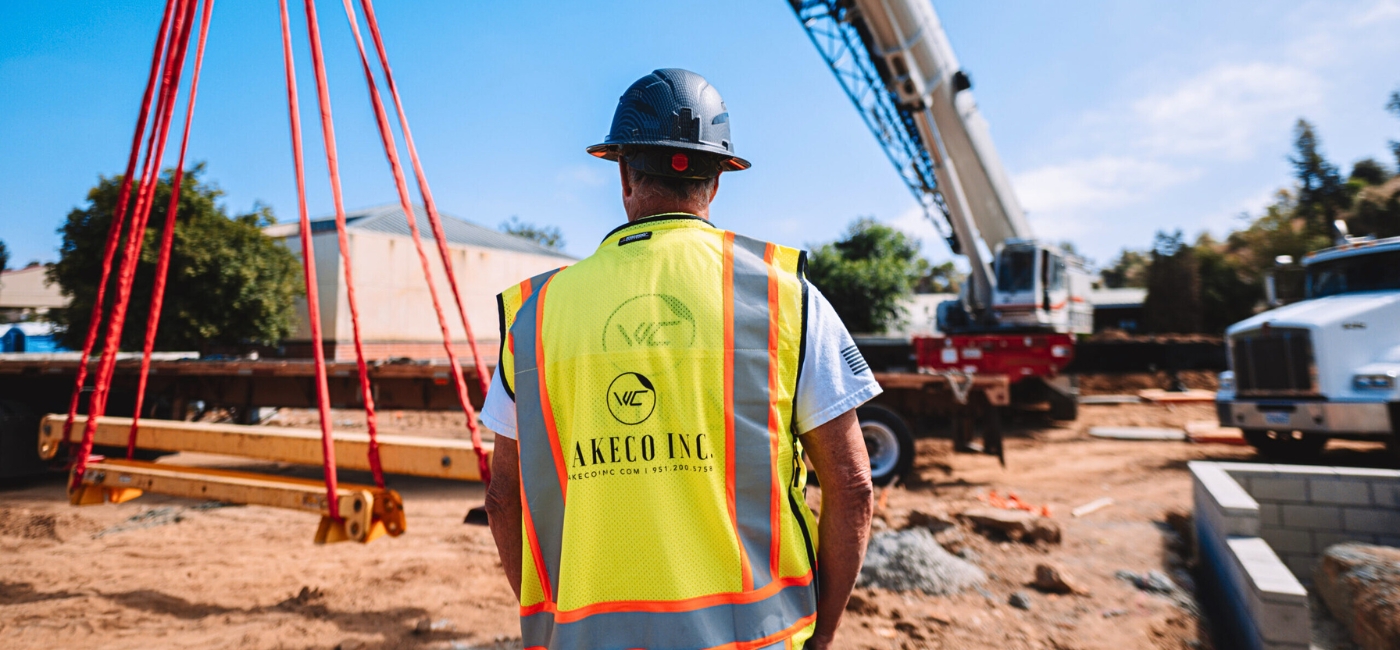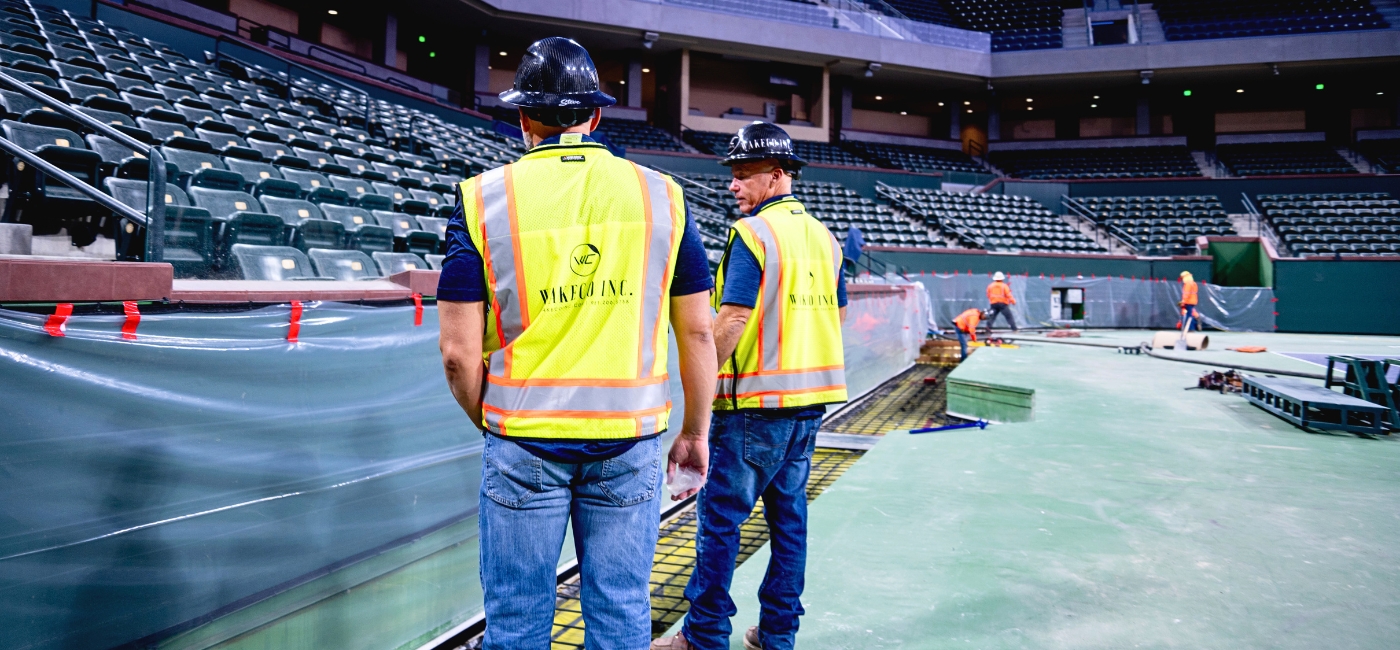
Strip mall construction serves neighborhood commercial needs through multi-tenant retail centers containing 20,000-50,000 square feet of leasable space. These developments typically accommodate 5-15 tenants including restaurants, service businesses, retail shops, and professional offices along commercial corridors and suburban arterials. Strip malls generate revenue through long-term lease agreements while providing community retail infrastructure.
WakeCo delivers strip mall construction with teams experienced in multi-tenant coordination, base building infrastructure design, permit navigation across jurisdictions, and construction phasing allowing early tenant occupancy. Our approach addresses the planning complexity, regulatory requirements, and timeline management strip mall developments demand from concept through tenant completion.
Strip Mall Planning: Site Selection Through Building Design
Strip mall planning begins with site selection addressing visibility, access, traffic counts, and market demographics. Successful locations provide adequate frontage along commercial corridors, sufficient depth accommodating parking and building footprint, and access patterns supporting customer circulation without creating traffic conflicts.
Site Feasibility and Zoning Compliance
Strip mall sites require commercial zoning permitting retail uses, adequate lot size meeting setback and parking requirements, and utility infrastructure supporting multiple tenants. Sites must demonstrate compliance with local development standards including building coverage limits, landscape requirements, and sometimes architectural design guidelines.
WakeCo evaluates site feasibility during planning, identifying zoning constraints, utility capacity limitations, and site development costs before property acquisition. Our preconstruction analysis prevents developers from purchasing sites unable to support intended development.
Parking and Site Circulation Planning
Strip mall parking ratios typically require 4-5 spaces per 1,000 square feet of leasable area, though requirements vary by jurisdiction and tenant mix. Restaurants trigger higher parking demands than general retail. Sites must accommodate customer parking, loading zones, and sometimes employee parking separated from customer areas.
WakeCo coordinates parking layouts maximizing spaces while maintaining efficient circulation. Our site planning addresses ADA accessibility, fire lane requirements, stormwater management, and landscape buffers meeting local standards.
Base Building Design for Tenant Flexibility
Strip mall base buildings establish structural systems, building envelopes, and utility infrastructure future tenants will adapt. Design must provide adequate electrical capacity, water and sewer rough-ins at multiple locations, HVAC infrastructure allowing tenant control, and storefront configurations accommodating various tenant sizes.
WakeCo constructs base buildings anticipating varied tenant needs rather than optimizing for specific uses. This flexibility maintains leasing options as tenant markets evolve.
Strip Mall Permit Requirements and Approval Timelines
Strip mall permitting involves coordination across building departments, planning commissions, fire marshals, health departments, and sometimes transportation agencies. Approval timelines vary significantly by jurisdiction but generally range from 4-8 months from application through permit issuance.
Planning and Entitlement Approvals
Strip malls typically require site plan approval, design review, and sometimes conditional use permits depending on jurisdiction and tenant mix. Planning review examines site layout, building architecture, landscape design, parking adequacy, and compliance with community development standards.
WakeCo coordinates planning submittals addressing review criteria, attending public hearings when required, and managing revision requests. Our experience across jurisdictions helps anticipate review concerns during design rather than after formal submittal.
Building Permit Coordination
Building permits address structural systems, fire life safety, accessibility compliance, and mechanical/electrical/plumbing infrastructure. Multi-tenant buildings require coordination across disciplines ensuring systems meet code for various occupancy types strip malls accommodate.
WakeCo structures building permit submittals with complete documentation reducing revision cycles. Our permit sets address interdepartmental coordination requirements preventing delays from incomplete applications.
Tenant Improvement Permits
Individual tenant spaces require separate permits addressing specific use requirements. Restaurant tenants need health department approvals, grease interceptor permits, and hood suppression coordination. Medical or personal service tenants trigger additional accessibility or ventilation requirements.
WakeCo coordinates tenant improvement permitting throughout construction and lease-up phases, managing multiple permit processes as tenants commit to spaces.
Strip Mall Construction Timelines and Phasing
Strip mall construction typically requires 8-14 months from groundbreaking through base building completion, depending on size and site conditions. Timeline management becomes critical as developers balance construction completion with tenant lease negotiations and improvement schedules.
Site Development and Foundation Work
Site development includes grading, utility installation, parking lot construction, and landscape preparation. Foundation work follows geotechnical recommendations addressing soil conditions. These phases typically consume 2-4 months depending on site size and complexity.
WakeCo coordinates site development with building construction, sometimes phasing parking lot completion to allow early building access while completing remote site areas.
Base Building Construction
Base building construction encompasses structural systems, building envelope, roof installation, and core utility rough-ins. This phase requires 4-7 months for typical strip malls depending on building size and structural complexity.
WakeCo manages base building construction maintaining quality while meeting schedules supporting tenant improvement timing. Our construction sequencing allows tenant improvement work to begin in completed building sections while base building continues in other areas.
Tenant Improvement Phasing
Tenant improvements occur as leases are executed, creating coordination challenges when multiple tenants construct simultaneously. Restaurant buildouts require 3-4 months including equipment installation. Retail tenants need 6-10 weeks. Office or service tenants complete improvements in 4-8 weeks.
WakeCo coordinates tenant improvement schedules managing utility connections, preventing trade conflicts between adjacent tenant spaces, and maintaining access for operating tenants as the center phases toward full occupancy.
Base Building Infrastructure for Multi-Tenant Success
Strip mall base buildings must provide infrastructure supporting diverse tenant types with varying utility demands, operating hours, and customer service requirements.
Electrical Distribution and Capacity
Base building electrical systems provide adequate capacity for restaurant equipment, retail lighting, and office technology loads. Panel locations throughout the building allow tenant flexibility. Exterior electrical serves signage, parking lot lighting, and sometimes outdoor dining or patio areas.
WakeCo designs electrical distribution anticipating maximum tenant demand rather than minimum code requirements, preventing capacity constraints limiting future tenant options.
Plumbing and Grease Management
Plumbing rough-ins throughout the building accommodate restaurant grease interceptors, retail restrooms, and office plumbing needs. Grease interceptor locations require careful planning addressing access for maintenance, proper venting, and compliance with sanitary district requirements.
WakeCo coordinates plumbing infrastructure with site layout, ensuring adequate rough-in locations supporting various tenant configurations.
HVAC Systems and Tenant Control
Strip malls typically use individual HVAC units for each tenant space rather than central systems, providing tenant control over operating costs and schedules. Roof-mounted units require structural coordination and adequate space for future replacement.
WakeCo coordinates HVAC infrastructure providing proper electrical and refrigerant line rough-ins, structural support for equipment, and adequate drainage preventing moisture damage.
Why Strip Mall Construction Succeeds With WakeCo
Strip mall developers choose WakeCo because our multi-tenant construction experience addresses the planning complexity, permit coordination, and phasing challenges these projects present. We understand how base building decisions affect tenant flexibility. We manage construction timelines supporting lease negotiations and tenant improvement schedules.
Our teams prevent the oversights common when contractors unfamiliar with multi-tenant retail construction underestimate infrastructure requirements, mismanage tenant coordination, or fail to plan for phased occupancy.
Building Successful Strip Mall Developments
Strip mall construction requires coordinated planning addressing site feasibility, permit complexity, and multi-tenant infrastructure needs. Timeline management balancing base building construction with tenant improvement schedules determines whether developments achieve stabilized occupancy on schedule and budget.
Ready to discuss your strip mall construction project? Contact WakeCo for construction services addressing the planning, permitting, and build timeline requirements multi-tenant retail developments demand. We’ll review your project and demonstrate how our experience delivers successful outcomes. Call today or request a consultation online.
Frequently Asked Questions
How long does strip mall construction take from planning through completion?
Planning and permitting require 4-8 months depending on jurisdiction. Site development and base building construction take 8-14 months. Tenant improvements add 2-4 months per space. Total timeline from concept through stabilized occupancy typically ranges 18-30 months depending on project size and tenant lease-up pace.
What permits do strip malls require beyond standard building permits?
Strip malls need site plan approval, design review, building permits, utility connection permits, and sometimes conditional use permits. Individual tenants require separate permits with restaurants needing health department approval and grease interceptor permits. Some jurisdictions require traffic studies or environmental review for larger developments.
Can tenants begin improvements before base building is fully complete?
Yes, with proper phasing. Completed building sections with utilities, roof, and storefront systems allow tenant improvement work while base building continues in other areas. This phasing accelerates tenant openings but requires careful coordination preventing conflicts between base building and tenant improvement contractors.
What makes restaurant tenants more complex than retail tenants?
Restaurants require grease interceptors, Type I hood suppression systems, adequate gas service, health department approvals, floor drains, and higher electrical capacity for kitchen equipment. Their plumbing, mechanical, and permitting requirements significantly exceed standard retail tenants, affecting both base building infrastructure and tenant improvement costs.
How much does strip mall construction cost per square foot?
Base building construction typically costs $120-180 per square foot depending on location, materials, and site conditions. This includes structure, envelope, roof, and utility rough-ins but excludes tenant improvements. Tenant improvement costs vary widely by use type from $40-60 per square foot for basic retail to $150-250 per square foot for full-service restaurants.
What parking ratio do strip malls require?
Most jurisdictions require 4-5 parking spaces per 1,000 square feet of leasable area, though requirements vary. Restaurant-heavy centers may need higher ratios. Parking adequacy affects development feasibility and must be verified during planning before site acquisition.
Should strip mall developers complete all tenant improvements or leave spaces as shells?
Most strip mall leases require landlords to deliver vanilla shell spaces with tenants completing their own improvements. This approach provides tenant flexibility and shifts improvement costs to tenants. Anchor tenants sometimes negotiate turnkey buildouts as lease inducements. Shell delivery allows phased tenant improvement construction as leases are executed.
What infrastructure should strip mall base buildings include for future tenant flexibility?
Base buildings should provide adequate electrical panel capacity, plumbing rough-ins at multiple locations, grease interceptor provisions anticipating restaurant tenants, individual HVAC rough-ins, and storefront configurations accommodating various tenant sizes. Over-building infrastructure costs less than retrofitting inadequate systems after construction completion.