Cold storage construction in California comes with design requirements that set it apart from standard industrial work. Floor heating systems, insulated panel assemblies, refrigeration infrastructure, and vapor barrier continuity all require coordination against confirmed equipment specifications before construction begins. Decisions deferred to the construction phase produce commissioning problems and cost consequences that preconstruction planning prevents.
WakeCo builds cold storage facilities throughout California, including refrigerated warehouses, food processing facilities, and temperature-controlled distribution centers. Our preconstruction process confirms structural, mechanical, and envelope requirements against actual equipment submittals before design is finalized. Contact us to discuss your project requirements.
Why Cold Storage Construction Requires a Different Approach
Cold storage facilities operate under sustained thermal stress that standard industrial buildings never experience. Freezer environments at or below 0°F place continuous mechanical demand on every component of the building envelope, floor assembly, and refrigeration system. The design decisions that determine whether a facility holds up under those conditions must be made correctly the first time.
Panel selection drives much of this. Insulated metal panels must be specified based on confirmed operating temperatures. A produce cooler running at 35°F and a freezer at -10°F require different panel thicknesses, joint configurations, and door vestibule designs. Replacing panels after commissioning because thermal performance falls short costs a significant portion of the original construction budget.
California’s Title 24 energy code sets thermal performance minimums for cold storage envelope assemblies, mechanical systems, and lighting. These requirements affect panel selection, refrigeration system efficiency ratings, and door vestibule sizing in ways that must be confirmed during design. A compliance gap identified during permit review requires redesign that adds weeks to preconstruction timelines and increases project costs before construction has started.
Floor Assembly Errors That Surface After Occupancy
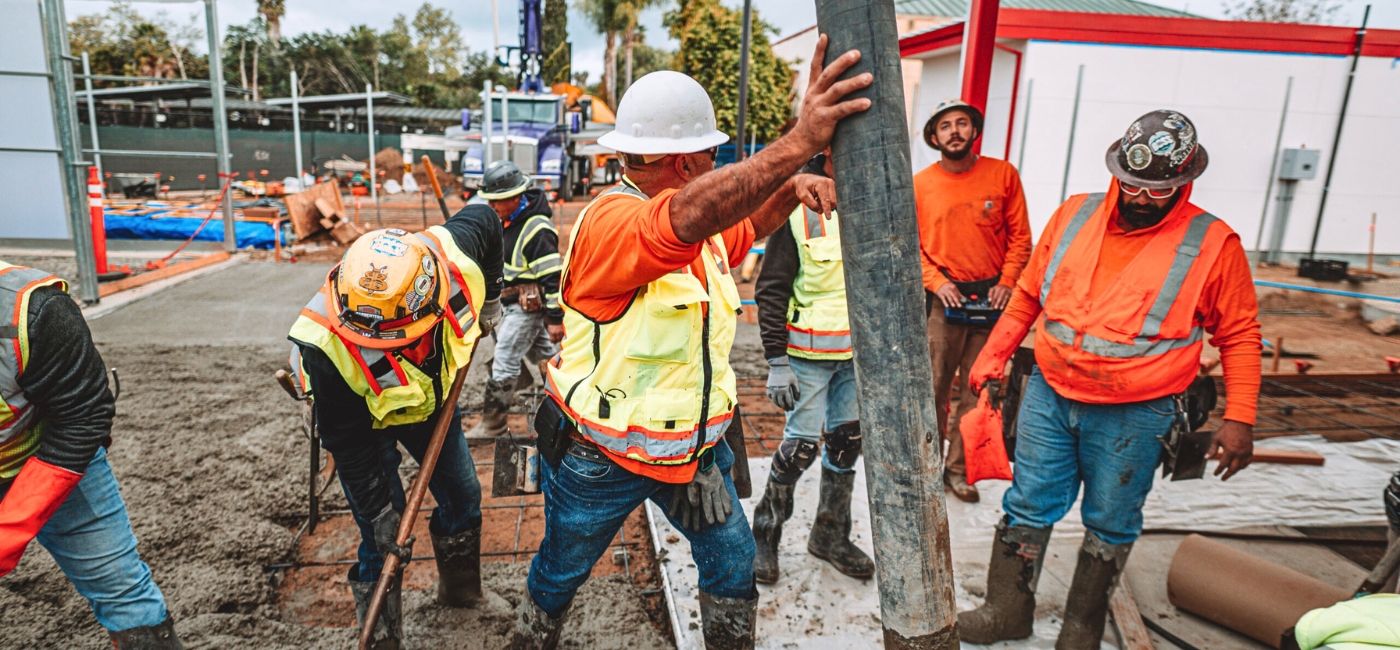
Freezer floor assemblies are among the most consequential decisions in a cold storage project, and they are also among the least reversible. Sub-slab heating systems that prevent frost heave must be installed before the slab is poured. Once the concrete is down, that window is closed.
Frost heave occurs when ground moisture beneath a freezer slab freezes over time, causing the slab to displace progressively upward. The result is damaged racking systems, misaligned door frames, and structural problems that worsen with each operating season. Facilities built without sub-slab heating in freezer applications do not fail immediately. They deteriorate in ways that become apparent a year or two into operations, at which point correction requires demolition and reconstruction of the floor assembly.
Floor flatness tolerances are equally consequential. Narrow-aisle racking systems require floor surfaces meeting demanding FF/FL specifications across the full facility footprint. The CFCA establishes flatness standards that cold storage facilities typically require at the high end of the specification range. Confirming these tolerances with racking vendors before concrete specifications are written prevents significant operational problems after occupancy.
WakeCo confirms floor assembly requirements, sub-slab heating specifications, and flatness tolerances against actual equipment submittals during preconstruction, before any concrete work is designed or priced.
What Deferred Refrigeration Coordination Costs You
Most construction schedules treat refrigeration system coordination as a construction phase responsibility. On cold storage projects, that approach consistently produces problems that are expensive to correct because the construction work surrounding the refrigeration infrastructure is already complete by the time conflicts surface.
Refrigeration rough-in must be completed before insulated panels are installed. Refrigerant piping, electrical conduit, and condensate drain lines that run through or adjacent to panel assemblies must be in place first. When this sequence is reversed, corrections require panel removal and reinstallation. On a mid-size cold storage facility, that correction can represent weeks of schedule impact and hundreds of thousands of dollars in rework costs.
Equipment submittals from refrigeration vendors must be confirmed before structural and mechanical design is advanced. Condenser unit weights affect roof structure design. Evaporator dimensions affect ceiling panel layout. Electrical load requirements affect utility service sizing. These are not minor adjustments — they are foundational inputs to the construction documents.
California’s Air Resources Board regulates refrigerant management for facilities using high global warming potential refrigerants, covering refrigerant selection, leak detection system design, and reporting obligations. These requirements apply to most large-scale cold storage refrigeration systems and must be addressed during facility design, not at commissioning.
How Vapor Barrier Gaps Become Post-Occupancy Problems
Vapor barrier failures in cold storage facilities rarely announce themselves during construction or in the first months of operation. Moisture migrating through gaps in vapor protection reaches cold surfaces within the building assembly, accumulates gradually, and produces insulation degradation, structural corrosion, and conditions that require remediation years after the facility was accepted as complete.
Every penetration through a cold storage envelope, including piping, conduit, and structural supports, requires specific detailing to maintain vapor continuity. A typical cold storage facility has dozens of these penetrations. Each one that is inadequately detailed becomes a long-term moisture pathway. The cost of proper detailing during construction is a fraction of the cost of addressing the consequences after the fact.
Door openings require vestibule configurations sized to manage the air exchange that occurs during normal facility operations. Facilities without correctly designed vestibules develop condensation and ice formation at door thresholds, and experience refrigeration system cycling that raises operating costs and reduces equipment service life.
Permit Coordination Across California Jurisdictions
Cold storage construction in California involves permit review from multiple agencies, and incomplete submittals to any one of them restart review timelines. Building, mechanical, and electrical permits are standard. Food processing facilities add CDPH plan review. Facilities using ammonia refrigeration require coordination with local fire departments and the California Environmental Protection Agency under risk management plan requirements.
Review timelines vary across California’s jurisdictions. A submittal clearing review in three weeks in one city may take eight weeks in another. Projects treating permitting as a sequential process routinely find that permit timelines control the overall project schedule. WakeCo manages parallel permit submissions across all required agencies, structuring submittals to address review requirements completely before initial filing.
Planning Your California Cold Storage Project
The problems that derail cold storage construction projects are well understood. Floor assembly sequence errors, deferred refrigeration coordination, vapor barrier detailing gaps, and permit delays each follow predictable patterns that thorough preconstruction planning addresses before they become construction phase problems.
WakeCo brings the cold storage construction experience and California market knowledge these projects require. Contact us to discuss your facility requirements and how our preconstruction process addresses the design considerations that determine long-term facility performance.
Frequently Asked Questions
What is the typical construction timeline for a cold storage facility in California?
Most cold storage facilities in California require 10 to 16 months from project initiation to occupancy, with preconstruction and permitting accounting for 10 to 16 weeks before construction begins. Refrigeration equipment lead times of 16 to 24 weeks must be factored into procurement planning during preconstruction. Facilities requiring ammonia refrigeration systems or California Department of Public Health plan review typically run longer.
How does California’s Title 24 energy code apply to cold storage construction?
Title 24 sets minimum thermal performance requirements for cold storage envelope assemblies, mechanical systems, and lighting. Panel thickness, door vestibule configuration, and refrigeration system efficiency ratings are all subject to compliance thresholds that must be confirmed during design. Non-compliant designs identified during permit review require redesign that adds time and cost before construction begins.
What drives the cost difference between cold storage and standard industrial construction?
Insulated panel systems, refrigeration infrastructure, sub-slab heating, and vapor barrier assemblies add significant cost over standard industrial construction. California-specific factors including Title 24 compliance, seismic requirements, and multi-agency permit coordination add further complexity. Food processing facilities carry additional costs from health department plan review and sanitation-specific finish and drainage requirements.
When should refrigeration equipment vendors be brought into the design process?
Refrigeration vendor submittals should be confirmed during schematic design, before structural and mechanical engineering is advanced. Condenser unit locations affect roof structure design. Evaporator dimensions affect ceiling panel layout. Deferring equipment coordination to the construction phase produces conflicts between equipment requirements and completed construction that require expensive correction.
How does WakeCo manage cold storage construction sequencing?
WakeCo develops a construction sequence during preconstruction that coordinates refrigeration rough-in, sub-slab heating installation, vapor barrier work, and panel installation in the correct order relative to surrounding construction activities. This sequence is documented and communicated to all trades before construction begins, preventing the field conflicts that arise when sequencing decisions are left to individual subcontractors.