Construction management in Los Angeles operates under conditions that don’t exist in most other California markets. The Los Angeles Department of Building and Safety administers one of the most complex permitting jurisdictions in the state. Site constraints in dense urban neighborhoods compress staging, limit access, and require coordination that suburban construction projects never encounter.
WakeCo provides construction management throughout Los Angeles across tenant improvements, office build-outs, restaurant construction, and ground-up commercial projects. Our preconstruction process addresses LADBS permitting, California code compliance, and site logistics before commitments are made. Contact us to discuss your project.
How LADBS Permitting Affects Your Project Timeline
LADBS processes commercial permits under the 2022 California Building Standards Code cycle, which Los Angeles adopted with local amendments. Full plan check for commercial projects runs 6 to 12 weeks for standard submissions. Projects submitted through the Accelerated Plan Check program can reduce that window, but requires complete, compliant submittals to deliver that timeline.
Commercial projects in Los Angeles generate multiple parallel permit applications. Building, electrical, mechanical, and plumbing permits each require separate submittals. Projects affecting regulated systems trigger Title 24 compliance documentation, including CBECC-Com analysis, before any permit is issued. Projects in hillside areas, high fire hazard severity zones, or within specific plan boundaries carry additional overlay requirements.
Understanding which requirements apply to a specific project and addressing them in the initial submittal is the difference between a permit process that runs on schedule and one that extends project timelines by months.
Construction Management in Dense Los Angeles Neighborhoods
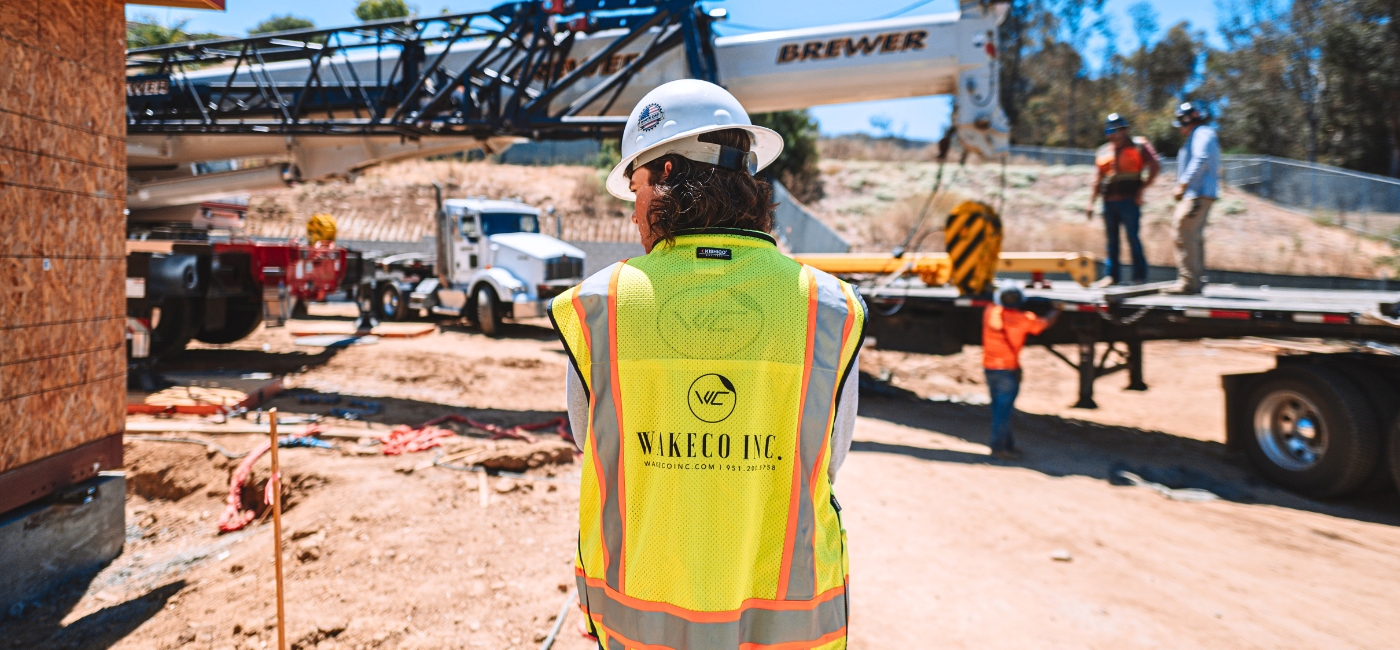
Los Angeles neighborhoods like Downtown, Hollywood, Koreatown, and Culver City place logistical demands on commercial construction that require active management throughout the project. Street access for material deliveries, crane picks, and subcontractor staging must be coordinated against city-issued permits through the LADOT. Work hour restrictions, noise ordinances, and neighbor notification requirements vary by neighborhood and project type.
Subcontractor scheduling in dense urban environments requires tighter sequencing than suburban projects. When staging space is limited, trades cannot work around each other. Delays in one scope cascade into the next because there is no physical room to absorb them. Construction management that doesn’t account for site constraints during scheduling produces compounding delays that are the predictable result of inadequate planning.
Existing building conditions in older Los Angeles commercial stock add further complexity. Unreinforced masonry, asbestos-containing materials, and building systems that don’t match available drawings surface regularly across the city’s older commercial neighborhoods. Preconstruction investigation of existing conditions before design is finalized prevents field discoveries from generating change orders after work has started.
Ground-Up Commercial Construction in Los Angeles
Ground-up commercial projects in Los Angeles carry the full weight of the city’s regulatory environment. Zoning entitlements, environmental review under CEQA, and LADBS plan check each run on timelines that must be managed in coordination. Projects that don’t account for the interaction between these processes during early planning routinely find one approval process waiting on another in ways that weren’t anticipated.
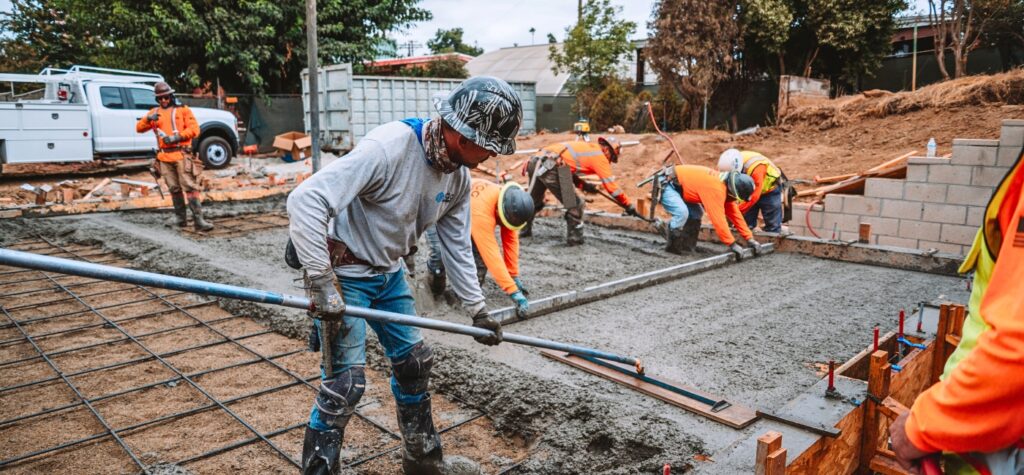
The 2022 California Building Code’s seismic requirements apply in Los Angeles, a region the CGS designates as one of the highest seismic hazard areas in the state. Structural engineering for ground-up work must be developed against confirmed geotechnical findings from the project site, not assumptions carried from comparable projects elsewhere. Surprises discovered after structural design require redesign that adds cost and time before construction can begin.
WakeCo manages preconstruction for ground-up commercial projects in Los Angeles to address entitlement coordination, permit sequencing, and site-specific technical requirements before design is finalized and costs are committed.
Office Build-Outs and Tenant Improvements in Los Angeles
Tenant improvements and office build-outs represent the majority of commercial construction activity in Los Angeles. They are also where the gap between anticipated and actual project cost is most consistently underestimated.
Landlord approval and LADBS permit review run on separate, independent timelines. Projects that treat them as sequential steps routinely find preconstruction consuming months that weren’t budgeted. Lease commencement dates do not pause for permit delays. Business owners who reach their lease start date without a certificate of occupancy pay rent on space they cannot occupy.
Path of travel obligations under the Americans with Disabilities Act require that tenant improvements address accessibility along the full route from public right-of-way to the leased space, not only within it. Identifying path of travel obligations during preconstruction allows them to be designed and budgeted before lease execution rather than discovered during permit review.
WakeCo structures tenant improvement projects to coordinate landlord approval, LADBS permit issuance, and construction start on aligned timelines, keeping preconstruction from consuming budget before a trade has been engaged.
Planning Your Los Angeles Commercial Construction Project
The cost and schedule problems that affect Los Angeles commercial construction projects are not random. Permit gaps, compliance oversights, site logistics failures, and existing condition surprises each follow patterns that preconstruction planning addresses before they become construction phase expenses.
Business owners who engage a contractor before lease execution confirm whether a project is feasible at the anticipated budget and schedule. Those who engage after commitments are made pay the cost of questions that preparation would have answered earlier.
WakeCo brings the construction management experience and Los Angeles market knowledge these projects require. Contact us to discuss your project and how our preconstruction process keeps your timeline and budget on track.
Frequently Asked Questions
How long does commercial permit review take at LADBS?
Standard commercial plan check at LADBS runs 6 to 12 weeks depending on project complexity and submittal completeness. The Accelerated Plan Check program can reduce that window for eligible projects but requires complete and compliant submittals to deliver the faster timeline. Correction cycles triggered by incomplete submittals reset review time at each resubmittal, making initial submittal quality the most controllable factor in permit timeline.
What Los Angeles-specific requirements affect tenant improvement projects?
Tenant improvements in Los Angeles trigger LADBS plan check, Title 24 compliance documentation for projects affecting regulated systems, and ADA path of travel obligations that can extend required work beyond the leased space. Projects in hillside areas, high fire hazard severity zones, or within specific plan boundaries carry additional overlay requirements. Identifying which requirements apply prevents unwanted permit surprises.
Does Los Angeles have requirements beyond standard California building code?
Yes. Los Angeles adopts the California Building Standards Code with local amendments covering seismic design, hillside construction, high fire hazard severity zones, and specific plan districts. Grease interceptor permits for food service facilities run through the Bureau of Sanitation independently of LADBS. Projects in the city require familiarity with both the state code and the local amendments that modify how it applies.
When should a business owner engage a construction manager for a Los Angeles project?
Before lease execution when possible, and no later than immediately after signing. Preconstruction evaluation confirms whether a space can support the intended use at the anticipated budget and schedule before commitments are made. Utility limitations, existing condition issues, and permit complexity discovered after lease execution consistently produce cost overruns that early contractor involvement would have prevented.
How does construction management in Los Angeles differ from other California markets?
LADBS administers one of the most complex permitting jurisdictions in California, with local amendments, parallel agency review requirements, and correction cycles that extend timelines significantly. Dense urban site conditions in certain neighborhoods compress staging, restrict access, and require active logistics management throughout construction. Both factors require construction management that accounts for Los Angeles-specific conditions from the start.