San Diego commercial construction projects are permitted across multiple independent jurisdictions. The City of San Diego, San Diego County, and incorporated cities including Chula Vista and El Cajon each run separate processes with different review timelines and submittal requirements. Hiring a construction management firm that knows which authority applies to a given project keeps that complexity from becoming a budget and schedule problem.
WakeCo provides construction management throughout San Diego across commercial, tenant improvement, office, and restaurant construction projects. Our preconstruction process addresses permit coordination, budget planning, and site feasibility before commitments are made. Contact us to discuss your project.
What a Construction Manager Does for a Project Owner
A construction manager works on the owner’s behalf. That distinction matters. A general contractor manages construction to deliver an agreed scope. A construction manager coordinates design teams, contractors, and permit processes to protect the owner’s budget and schedule throughout the project.
The practical difference shows up in how contracts get structured. A construction manager evaluates bids, defines subcontractor scopes, and identifies gaps in contractor proposals before commitments are made. Verifying that contractors hold a valid Contractors State License Board license, along with current insurance and bonding, is part of that process. That work happens when it still affects decisions.
On projects where the owner doesn’t have the internal resources to manage that coordination directly, the construction manager is the professional standing between the project and the decisions that generate change orders and schedule delays. Engaging one during preconstruction produces different outcomes than engaging one after construction has started.
San Diego’s Permit Process and Project Timelines
The City of San Diego Development Services Department administers commercial permits for projects within city limits. In 2024, DSD established a Project Management Division that assigns Dedicated Project Managers to complex projects as a single point of contact through the review process. Projects that engage the program correctly get a structured review schedule. Projects that don’t navigate the same multi-discipline review without that coordination structure.
Development impact fees, school fees, water and sewer fees, and inspection fees are each collected separately at permit issuance. A project budget that doesn’t account for all of them encounters the gap at the worst possible time. WakeCo confirms the full fee structure during preconstruction before budget commitments are made.
Projects in San Diego County’s unincorporated areas fall under County Planning and Development Services, a separate jurisdiction with its own review process and timelines. Projects near jurisdictional boundaries need to confirm which authority applies before design is advanced. Discovering a jurisdictional mismatch after submittal restarts the review clock.
Budget Planning and Preconstruction
The decisions that determine a project’s final cost come up during preconstruction. Utility capacity confirmed late, permit fees underestimated, subcontractor scopes left undefined before contracts are executed, and site conditions not investigated before design is finalized all carry cost consequences that surface during construction.
San Diego permit fees are calculated using the city’s Building Valuation Schedule, which applies ICC valuation data adjusted annually by the ENR 20 Cities Construction Cost Index. Tenant improvement and shell-to-finish projects are calculated at different percentages of total project valuation, and those thresholds affect fee totals in ways that generic early-stage budget estimates rarely capture accurately.
A construction manager engaged during preconstruction addresses those decisions before they become construction phase problems. WakeCo’s preconstruction process confirms site feasibility, permit requirements, and full project costs before commitments are made, giving owners accurate budget and schedule information when it still affects decisions.
Subcontractor Coordination and On-Site Execution
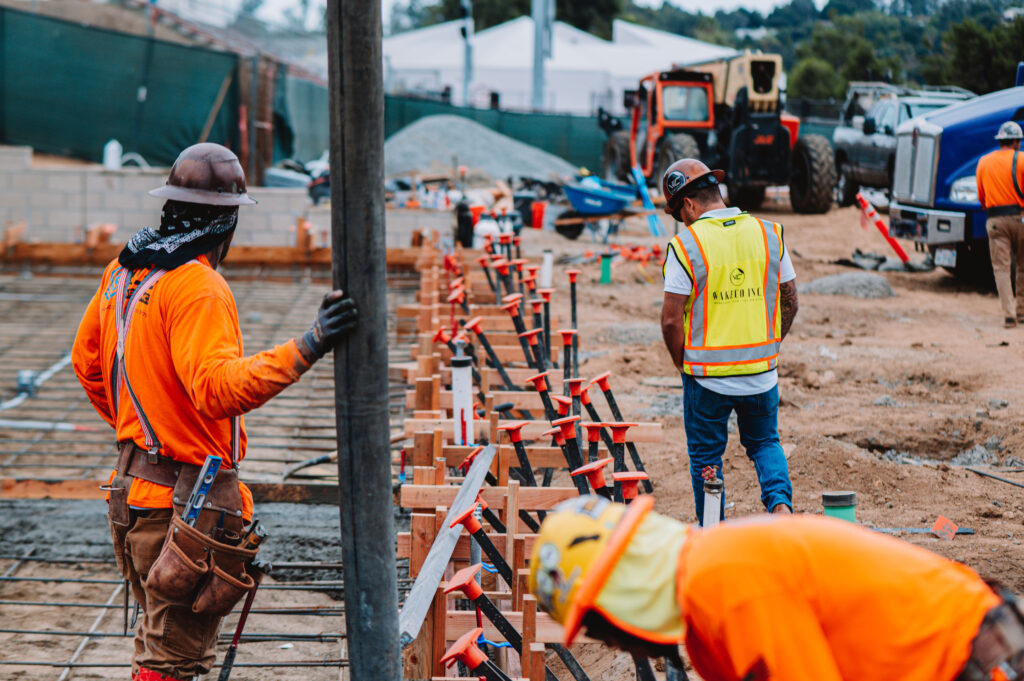
Managing subcontractors across trades whose work sequences depend on each other is where construction management produces measurable results on site. Mechanical, electrical, and plumbing rough-in must be sequenced correctly relative to framing, insulation, and finish work. Issues identified during framing are resolved with a conversation. The same issues identified after finishes are installed require demolition.
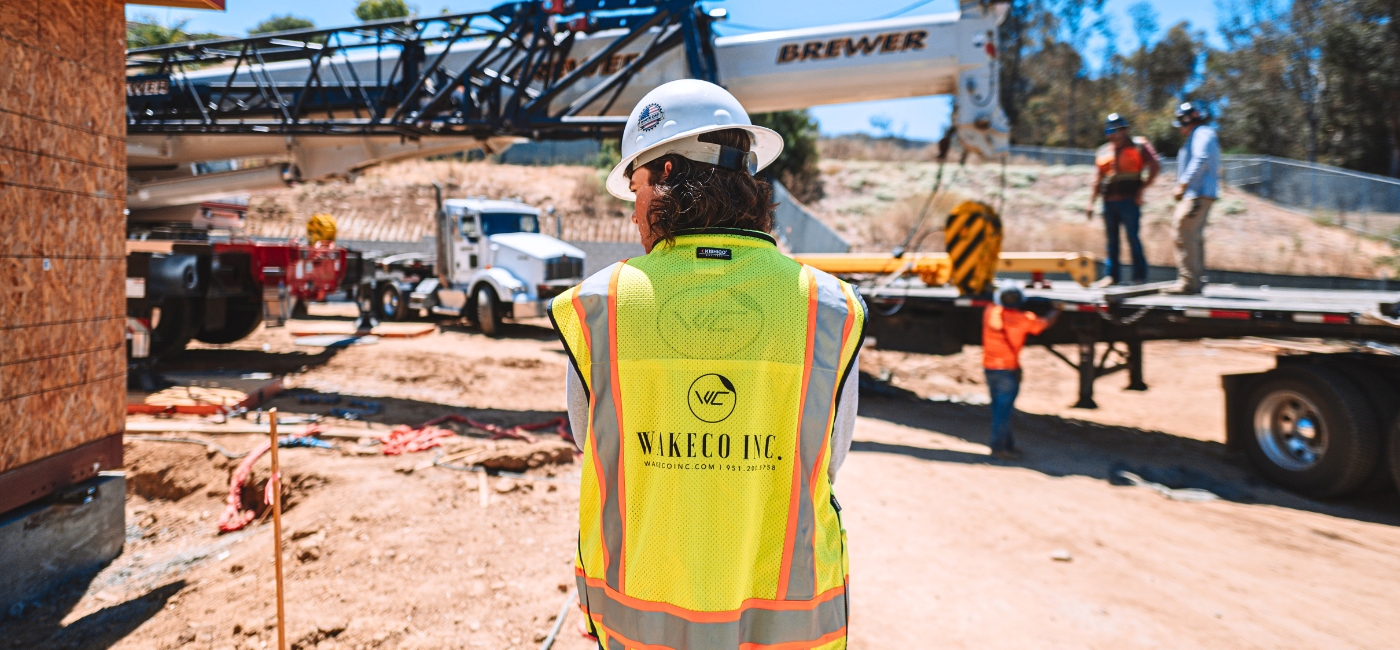
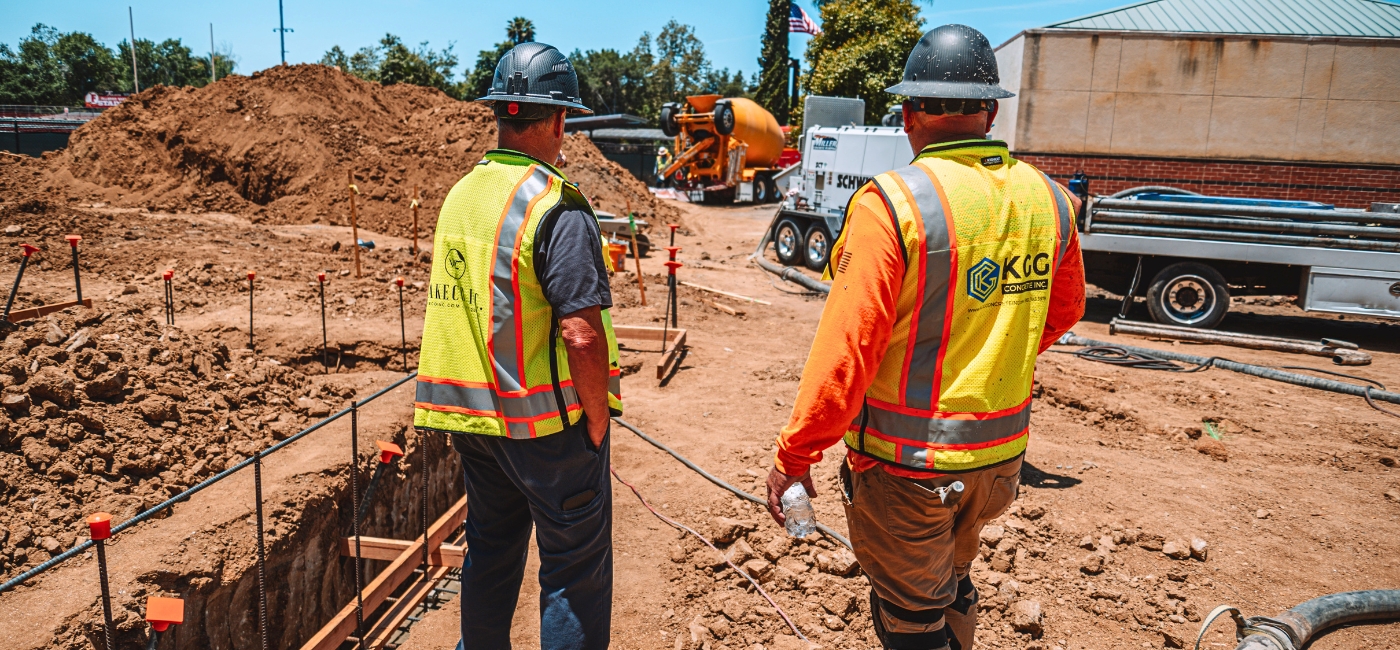
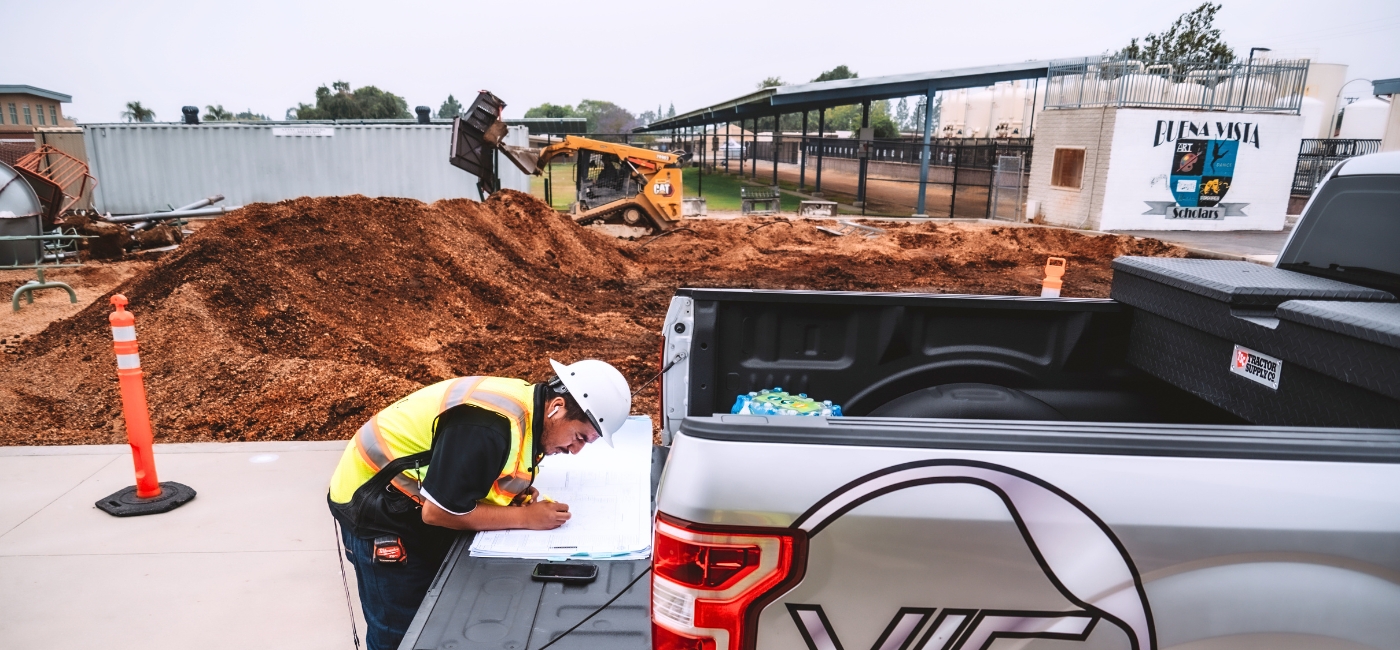
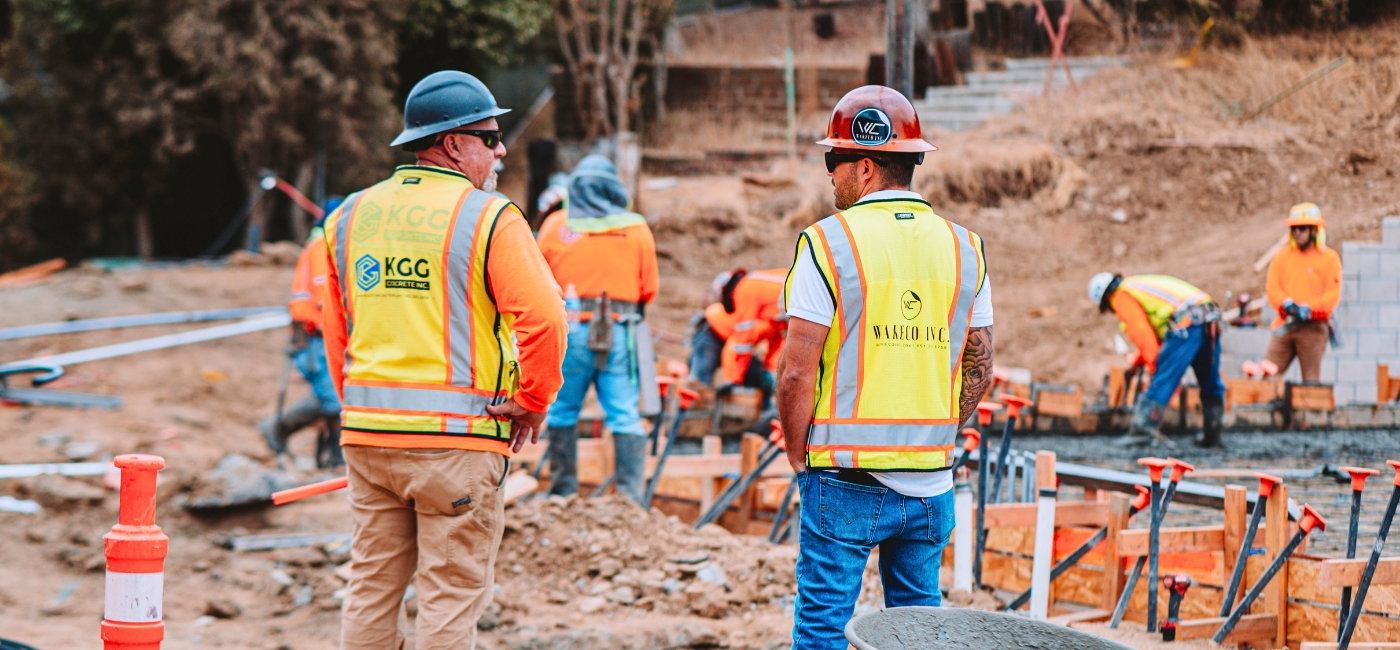
WakeCo maintains active on-site presence throughout construction, managing subcontractor coordination and quality control against the project schedule. That presence is what keeps a construction management engagement from being a preconstruction service with a project management title.
Hiring a Construction Management Firm in San Diego
The difference between construction management firms in San Diego comes down to local permit knowledge and genuine integration between preconstruction and construction phase work. A firm that treats permit coordination as an administrative task produces the same jurisdictional delays as no construction management at all.
Local knowledge in San Diego means understanding how DSD’s review disciplines interact, how County PDS timelines differ from city timelines, and how San Diego’s local code amendments affect project documents before they reach plan check. These are not details a firm learns from reading. They come from experience working across San Diego’s jurisdictions.
WakeCo brings the construction management experience and San Diego market knowledge these projects require. Contact us to discuss your project and how our approach protects your budget and schedule from preconstruction through completion.
Frequently Asked Questions
What does a construction manager do that a general contractor does not?
A construction manager works on the owner’s behalf, coordinating design teams, contractors, and permit processes to protect the owner’s budget and schedule. A general contractor manages construction to deliver an agreed scope. The distinction matters most before a general contractor is hired, when subcontractor scopes, bid evaluation, and contract structure are still decisions the owner can influence.
How does San Diego’s multi-jurisdiction permitting environment affect commercial projects?
The City of San Diego, San Diego County, and incorporated cities each administer permits independently. A project that submits to the wrong jurisdiction restarts the review process after losing weeks. Identifying the correct jurisdiction and all applicable agencies during preconstruction prevents permit delays that compress construction schedules and add cost before a trade has mobilized.
When should a project owner in San Diego engage a construction manager?
Before design is advanced and before a general contractor is selected. A construction manager engaged during preconstruction evaluates site feasibility, confirms permit requirements, structures the contractor selection process, and defines subcontractor scopes before commitments are made. Owners who engage a construction manager after construction begins manage consequences rather than prevent them.
What fees should San Diego project owners account for at permit issuance?
The City of San Diego collects development impact fees, school fees, water and sewer fees, and inspection fees separately at permit issuance. Each carries its own calculation method and payment requirement. Projects that don’t account for the full fee structure during preconstruction budget planning encounter cost gaps when permits are ready to issue.
What is the City of San Diego’s Project Management Division and how does it affect commercial projects?
DSD’s Project Management Division, established in 2024, assigns Dedicated Project Managers to complex commercial projects as a single point of contact through the permit review process. DPMs coordinate review team schedules, facilitate issue resolution, and provide schedule predictability that unmanaged multi-discipline review does not. Taking full advantage of the program requires complete, correctly structured submittals from the first filing.