Construction management companies in California operate across a market defined by regulatory complexity, jurisdictional variation, and sector-specific technical requirements that generalist firms routinely underestimate. Comparing firms by sector experience and project scale before engagement is the most reliable way to identify which ones can actually deliver on a given project type.
WakeCo provides construction management across California for ground-up commercial construction, tenant improvements, office build-outs, and industrial facilities. Our preconstruction process addresses permit coordination, California code compliance, and project delivery before commitments are made. Contact us to discuss your project.
What Sector Experience Actually Means in Practice
Sector experience reflects whether a construction manager has worked through the specific permit requirements, inspection sequences, and construction conditions that a project type consistently produces.
A firm with a strong record in ground-up industrial construction has managed structural steel procurement timelines, tilt-up panel sequencing, and the coordination between civil, mechanical, and electrical scopes that large industrial projects require. That experience does not transfer automatically to a medical office tenant improvement, which involves infection control requirements, coordination with building operations staff, and phased occupancy conditions.
California’s sector-specific regulatory requirements sharpen this distinction. Title 24 energy compliance, CALGreen mandatory measures, and Office of Statewide Health Planning and Development requirements for healthcare facilities each demand familiarity that firms acquire through direct project experience, not general construction management credentials.
How Project Scale Affects Firm Selection
The scale of a project determines what a construction manager needs to bring operationally. A $2 million tenant improvement and a $40 million ground-up commercial build require different staffing models, subcontractor procurement approaches, and levels of internal cost control infrastructure.
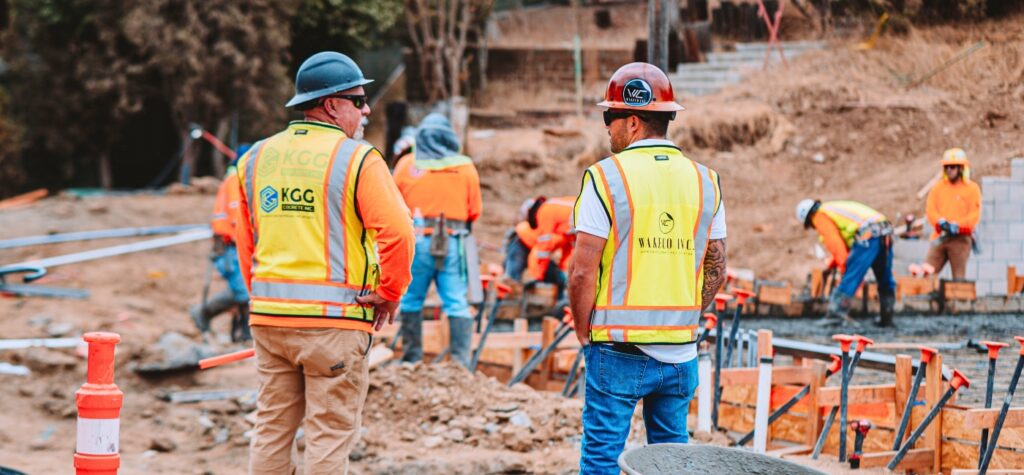
Larger firms carry overhead structures that make smaller projects economically unattractive to staff properly. A project that represents a small percentage of a large firm’s annual volume gets staffed accordingly. Smaller projects benefit from firms where that scale of work represents a meaningful part of the portfolio.
The inverse is also true. Firms that primarily manage small to mid-size tenant improvements may lack the procurement relationships, bonding capacity, and project controls infrastructure that ground-up construction at scale requires. California’s Department of Industrial Relations prevailing wage requirements on public and publicly assisted projects add compliance obligations that firms without public work experience frequently mismanage.
Comparing Firms by Their Preconstruction Process
Preconstruction is where the conditions that determine cost and schedule outcomes are either addressed or deferred. A construction manager that enters a project after design is complete and permits are filed has already missed the window where their involvement produces the most value.
Firms that conduct constructability review during design catch conflicts between structural, mechanical, and architectural scopes before they become field conditions. Firms that engage with permit jurisdictions early understand plan check timelines and submittal requirements that affect the project schedule. Firms that begin subcontractor procurement during preconstruction secure trade capacity before the construction schedule requires it.
California’s permitting environment makes preconstruction competence particularly consequential. The state’s 18,000+ licensed general contractors compete for subcontractor availability in markets where active construction volume keeps trade schedules full. Procurement planning during preconstruction is not optional on projects with firm occupancy dates.
California’s Regulatory Environment and What It Demands of a CM
California operates under one of the most layered construction regulatory environments in the country. The 2025 California Building Standards Code, Title 24, CALGreen, and the California Environmental Quality Act each apply to commercial construction projects depending on type, location, and scope.
Local jurisdictions add amendments to the state base code. A project in the City of Los Angeles operates under the Los Angeles Green Building Code in addition to state requirements. A project near the coast requires evaluation under the California Coastal Commission’s jurisdiction before local permits are addressed.
Firms with an active California project portfolio maintain current familiarity with these requirements because they encounter them on every project. Firms that treat California as one market among many often do not.
What to Ask When Comparing Construction Management Companies
The questions that separate qualified firms from capable-sounding ones are specific. General claims about experience and service quality do not reveal whether a firm can manage the conditions a particular project produces.
Ask for project references in the same sector and at comparable scale. Ask how preconstruction services are structured and what is included before design is complete. Ask which permit jurisdictions they have active project experience in, and how they have handled correction cycles and resubmittals on recent projects. Those answers reveal operational competence more directly than any credential or portfolio overview.
Selecting a California Construction Management Partner
The construction management companies that consistently deliver in California match sector experience to project type, scale their internal resources to the project, and engage during preconstruction when the decisions that drive outcomes are still open. Business owners who evaluate firms against these criteria before engagement avoid discovering mismatches after commitments are made.
WakeCo brings the construction management experience and California market knowledge these projects require. Contact us to discuss your project and how our preconstruction process keeps your timeline and budget on track.
Frequently Asked Questions
How do construction management companies in California typically structure their fees?
Construction management fees in California generally follow three structures: a fixed fee, a percentage of construction cost, or a guaranteed maximum price arrangement. Percentage-based fees for commercial projects commonly range from 3% to 8% depending on project complexity, sector, and the scope of preconstruction services included. The structure that fits a project depends on how well defined the scope is at the point of engagement.
What is the difference between a construction manager and a general contractor in California?
A general contractor holds subcontractor contracts and carries direct financial exposure for construction costs. A construction manager acting in an agency capacity represents the owner’s interests without holding subcontractor contracts, providing oversight of schedule, budget, and quality without taking on the contractor’s financial risk. California projects use both models, and the right choice depends on the owner’s internal capacity and appetite for cost risk.
How does California’s regulatory environment affect which construction management firm is the right fit?
California’s layered regulatory requirements, including the 2025 California Building Standards Code, Title 24, CALGreen, and local amendments that vary by jurisdiction, require active working knowledge that firms acquire through ongoing California project experience. A firm without a current California project portfolio is likely to encounter permit coordination problems and correction cycles that a locally active firm would have anticipated during preconstruction.
When should a business owner engage a construction management company in California?
Before lease execution or site control when possible, and no later than immediately after. Preconstruction evaluation confirms whether a space or site can support the intended use at the anticipated budget and schedule. Permit complexity, subcontractor availability, and existing condition risks in California’s active construction markets are each better addressed before commitments are made than after.
What sectors do California construction management companies typically specialize in?
California’s commercial construction market includes ground-up industrial and office construction, tenant improvements in occupied buildings, healthcare facilities subject to OSHPD oversight, retail build-outs, and mixed-use development. Firms tend to develop genuine depth in two or three of these sectors rather than equal competence across all of them. Matching a firm’s sector depth to the project is a more reliable selection criterion than general experience claims.