The world of commercial retail construction is changing fast. Driven by evolving consumer behavior, new technologies, and rising sustainability standards, retail spaces today are expected to do much more than provide shelves and cash registers. They must attract, engage, and deliver memorable experiences while remaining efficient to build and maintain. For owners and developers, keeping up with these shifts is critical to remain competitive.
From immersive design to modular construction, emerging trends are reshaping how retail spaces are conceived and delivered. WakeCo, Inc. brings the expertise to help businesses embrace these changes and build retail environments ready for tomorrow.
Why Trends Matter in Retail Construction Now
Retail construction has always reflected consumer habits, but the pace of change has accelerated in recent years. Shoppers expect environments that seamlessly integrate digital and physical experiences, encourage social connection, and reflect values like sustainability. As a result, the construction process itself must adapt to meet these expectations.
Economic pressures are also reshaping the landscape. Rising material costs, higher interest rates, and tighter project financing have placed efficiency at the top of the agenda. Developers and owners want projects that not only attract customers but also control long-term operating costs.
At the same time, consumer preferences are more diverse than ever. While some demand immersive experiences and entertainment-driven spaces, others value community, accessibility, and wellness features. Retail construction now requires versatility to support different business models—pop-ups, flagship stores, hybrid retail, and even multi-use community hubs.
Regulations add another layer of complexity. Energy codes, environmental standards, and safety requirements continue to evolve, requiring contractors to integrate compliance from day one. Climate resilience—designing for heat, flooding, or seismic activity—is becoming increasingly relevant for long-term viability.
Against this backdrop, keeping an eye on emerging trends isn’t optional. It’s how retailers and developers stay relevant, future-proof their investments, and create spaces that resonate with today’s—and tomorrow’s—shoppers.
Trend #1: Experiential & Immersive Retail Spaces
Retail is no longer about transactions alone; it’s about creating experiences that draw customers in and keep them engaged. This shift is driving a wave of experiential and immersive retail construction.
Designing for Engagement
Modern retail spaces are being built with interactive elements in mind. From augmented reality fitting rooms to digital walls that respond to touch, contractors are collaborating with designers to integrate technology directly into the built environment. These features transform shopping into an event, encouraging longer visits and higher customer spend.
Sensory & Shareable Environments
Construction now accounts for sensory design—sound, scent, and lighting—to create memorable atmospheres. Spaces are also designed with “Instagrammable” elements in mind: statement walls, striking architectural details, or branded installations that encourage social media sharing.
Blending Retail & Hospitality
Many retailers are adding cafés, event spaces, and lounges within stores. Contractors must create layouts that merge retail flow with hospitality-grade finishes and utilities. This hybrid approach builds brand loyalty and increases dwell time.
Example in Practice
A clothing retailer might remodel to include a coffee bar, lounge seating, and a virtual try-on station. The result is a space where customers don’t just shop—they socialize, relax, and engage with the brand.
Experiential retail demands construction expertise that balances creativity with functionality. Spaces must inspire without compromising efficiency, safety, or compliance.
Trend #2: Flexible / Adaptive Use & Hybrid Retail Spaces
If the pandemic taught the industry anything, it’s that retail must be flexible. Spaces now need to adapt to changing demands quickly, and construction practices are evolving to support this agility.
Multi-Use & Hybrid Developments
Retail is increasingly part of mixed-use developments that combine dining, entertainment, office, and even residential components. Contractors are tasked with creating spaces that can handle diverse foot traffic and serve multiple purposes.
Reconfigurable Layouts
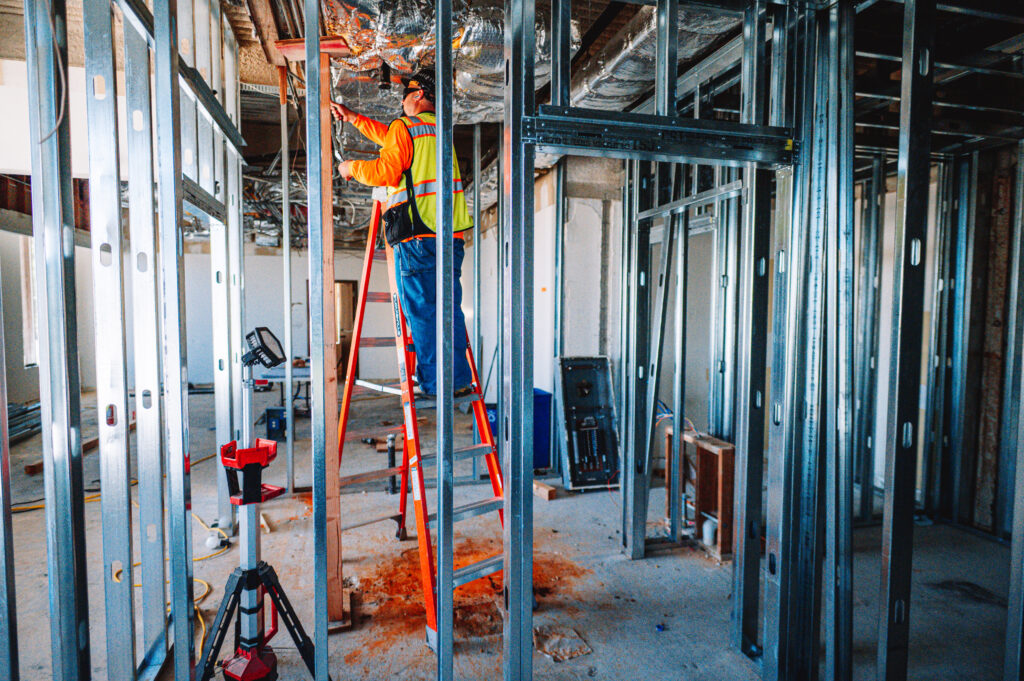
Designing with adaptability in mind means incorporating modular walls, movable partitions, and versatile lighting or plumbing systems. Contractors now prioritize flexibility in layouts, allowing a store to transform into an event space or pop-up location with minimal renovation.
Smaller Footprints & Pop-Ups
Retailers are also experimenting with smaller, more agile spaces. Micro-stores and temporary pop-up shops require construction solutions that are cost-effective, quick to deliver, and easy to dismantle or repurpose.
Community Integration
Adaptive retail construction also supports spaces that double as community hubs—hosting farmers’ markets, workshops, or events outside standard retail use. Contractors integrate infrastructure that can support both everyday operations and occasional large gatherings.
Flexibility ensures that retail spaces remain relevant in a fast-moving market. By designing for adaptability, contractors help businesses protect their investments against uncertainty and evolving consumer trends.
Trend #3: Smart Technologies, Data, and Automation
Technology isn’t just reshaping how customers interact with stores; it’s also redefining how retail spaces are designed and constructed.
IoT & Smart Systems
Smart lighting, HVAC, and occupancy sensors are now common in retail builds. They improve energy efficiency, optimize maintenance schedules, and create more comfortable shopping environments. Contractors work with technology providers to ensure seamless integration.
Digital Design Tools
Before construction even begins, digital twins and AR/VR tools allow owners to visualize spaces, test layouts, and simulate customer flows. This reduces rework and speeds up approvals, as stakeholders can see exactly what’s being built.
AI & Predictive Analytics
Artificial intelligence is influencing retail construction by forecasting foot traffic patterns and helping owners design for maximum efficiency. AI also supports predictive maintenance, reducing downtime once stores open.
Robotics & Automation
In construction, robotics are used for material handling and prefabrication. In retail operations, automation is shaping spaces with self-checkout systems, contactless payment infrastructure, and robotic cleaning systems that require specialized design considerations.
Smart technology creates retail spaces that are efficient, data-driven, and future-ready. Contractors who embrace these innovations help owners stay competitive in an increasingly digital world.
Trend #4: Sustainability & Resilience in Materials & Design
Sustainability has moved from trend to expectation, and retail construction is no exception.
Energy Efficiency
Contractors are designing buildings with improved insulation, energy-efficient HVAC, and natural daylighting. Solar-ready rooftops and EV charging stations are also becoming standard features in many retail developments.
Sustainable Materials
Low-carbon concrete, recycled steel, reclaimed wood, and eco-friendly finishes are increasingly used. Contractors must vet suppliers carefully to ensure quality while meeting green standards.
Climate Resilience
In many regions, retail spaces must withstand heatwaves, flooding, wildfires, or seismic events. Resilient construction includes durable roofing, flood-resistant foundations, and fire-retardant materials.
Water & Waste Management
Efficient plumbing fixtures, greywater systems, and robust waste management strategies reduce environmental impact and operating costs.
Consumer Expectations
Customers increasingly align with brands that demonstrate sustainability. By embedding eco-conscious features in construction, retailers not only meet regulatory standards but also strengthen their brand image.
Sustainability and resilience aren’t optional—they’re now central pillars of modern retail construction.
Trend #5: Modular, Prefabrication & Fast-Track Construction
Speed and efficiency are critical in today’s retail market. Modular and prefabricated construction techniques are helping owners open doors faster and reduce costs.
Off-Site Prefabrication
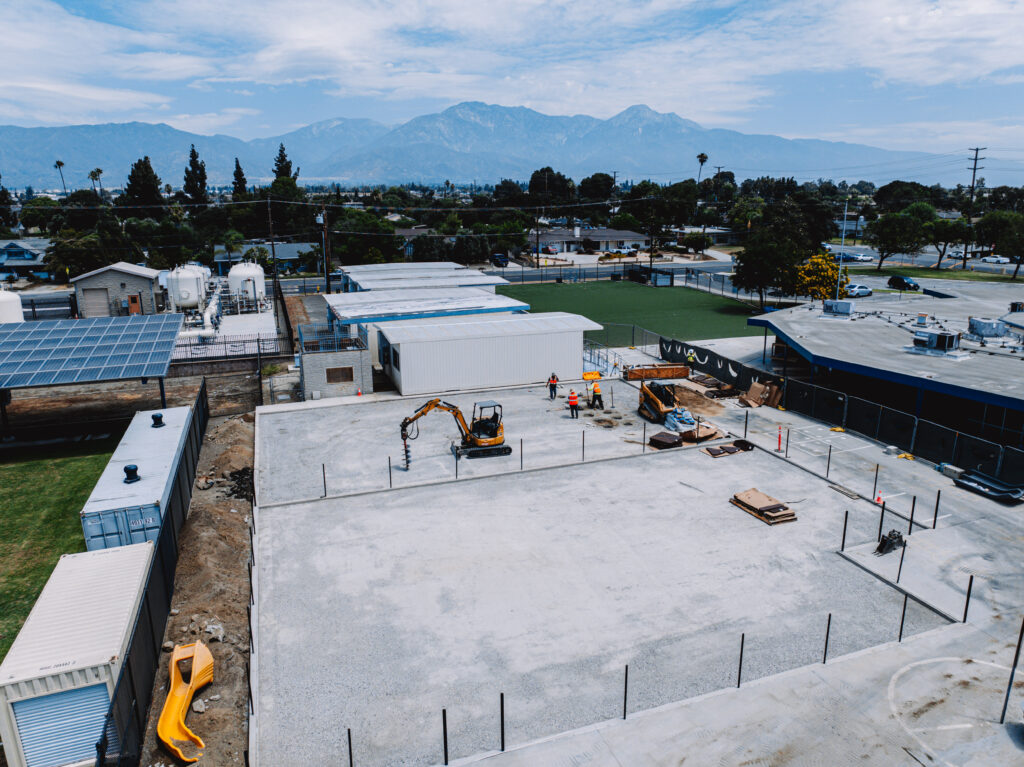
Walls, façades, and MEP systems can be manufactured off-site and assembled on location. This shortens construction schedules and improves quality control.
Standardization & Kits
For retailers rolling out multiple locations, standardized design kits streamline construction. Prefabricated components ensure consistency across stores while reducing waste.
Fast-Track Methods
Contractors are increasingly using fast-track approaches where design and construction phases overlap. Early procurement and phased occupancy allow parts of a store to open while others are still being completed.
Challenges & Considerations
Prefabrication requires careful logistics—transporting large components and ensuring compliance with local building codes. Contractors experienced in modular methods mitigate these risks while still delivering the speed and cost benefits.
Modular and fast-track construction allow retailers to respond quickly to market opportunities. Done right, they combine efficiency with flexibility, giving businesses an edge in competitive environments.
Comparing Trade-Offs: What’s Feasible for Your Retail Project
Not every trend is right for every retail project. Owners must balance ambition with practicality.
Immersive features deliver customer engagement but may increase upfront costs. Flexible layouts support adaptability but can limit specialized design elements. Smart technology provides efficiency but requires ongoing maintenance and updates. Sustainable design reduces operating costs but may raise initial investment. Prefabrication speeds delivery but demands precise planning and supply chain coordination.
The right mix depends on project goals, budget, location, and brand identity. Contractors play a critical role in helping owners weigh these trade-offs, offering clarity on what’s achievable and what will deliver the most value long-term.
Why WakeCo, Inc. Is Well-Positioned to Deliver on These Trends
WakeCo, Inc. brings the expertise, innovation, and transparency needed to navigate these retail construction trends.
Experience with Modern Retail
WakeCo has delivered projects that balance experiential design, flexible layouts, and advanced technologies. Their portfolio demonstrates the ability to translate trends into practical, compliant builds.
Strong Local & Regional Knowledge
Licensed in California and Arizona, WakeCo understands the regulatory landscape and ensures projects meet evolving energy codes, zoning requirements, and sustainability standards.
Full-Service Capabilities
From preconstruction planning and budgeting to general contracting and project management, WakeCo provides end-to-end services. Clients benefit from one trusted partner rather than juggling multiple providers.
Commitment to Transparency
WakeCo’s developer mindset means anticipating challenges early and providing clear, itemized budgets. Their communication-first approach ensures clients are informed at every stage.
For retail owners ready to embrace the future, WakeCo offers the expertise to bring ambitious projects to life.
Building Retail Spaces That Last Into Tomorrow
The future of commercial retail construction lies in embracing innovation, sustainability, and flexibility. Trends like immersive experiences, adaptive spaces, smart technology, sustainable materials, and modular methods are reshaping how retail is built. Owners who understand and adopt these shifts will create spaces that attract customers, streamline operations, and remain relevant in a changing market.
WakeCo, Inc. is a trusted partner in delivering these forward-thinking projects, combining local knowledge with cutting-edge practices. Contact WakeCo today to start planning a retail space that stands out and succeeds long into the future.
Frequently Asked Questions (FAQs)
1. What is immersive retail construction?
It’s designing retail spaces that focus on customer experiences—interactive technology, sensory environments, and hospitality-style layouts. Contractors build with engagement in mind, making stores destinations rather than just points of sale.
2. How does modular construction benefit retail projects?
Modular methods shorten schedules by assembling components off-site, improving quality control and consistency. For retailers expanding across multiple locations, it ensures faster rollouts and reduces costs while maintaining brand consistency across stores.
3. Can sustainable retail construction save money?
Yes. Energy-efficient systems, durable materials, and water-saving fixtures reduce long-term operating expenses. While upfront costs may be higher, sustainability lowers lifecycle costs and strengthens brand image with eco-conscious consumers.
4. What technologies are shaping retail construction?
Smart lighting, IoT sensors, AR/VR design tools, and AI-driven forecasting are leading the charge. These technologies improve energy efficiency, enhance customer experience, and allow owners to plan and operate stores more effectively.
5. How do I decide which trends to adopt?
Evaluate your goals, budget, and brand identity. A contractor like WakeCo can help balance trade-offs, guiding you toward the mix of trends that delivers the most value without overcomplicating your project.