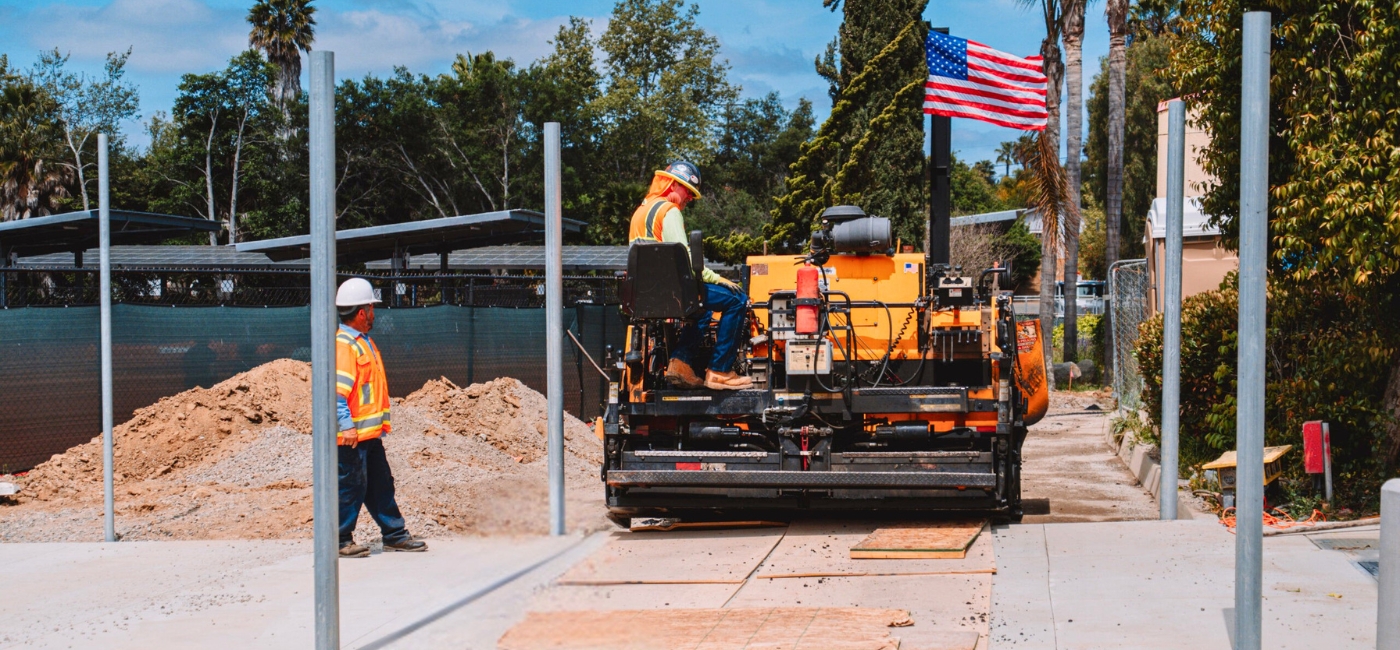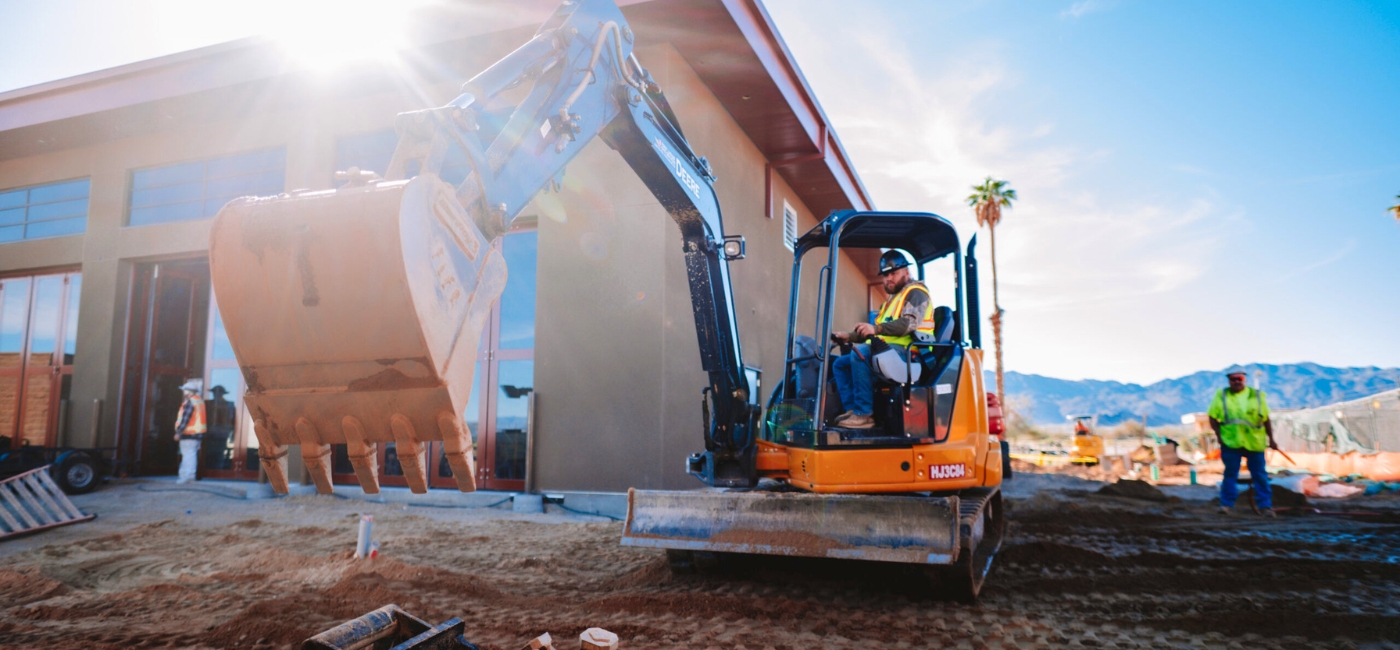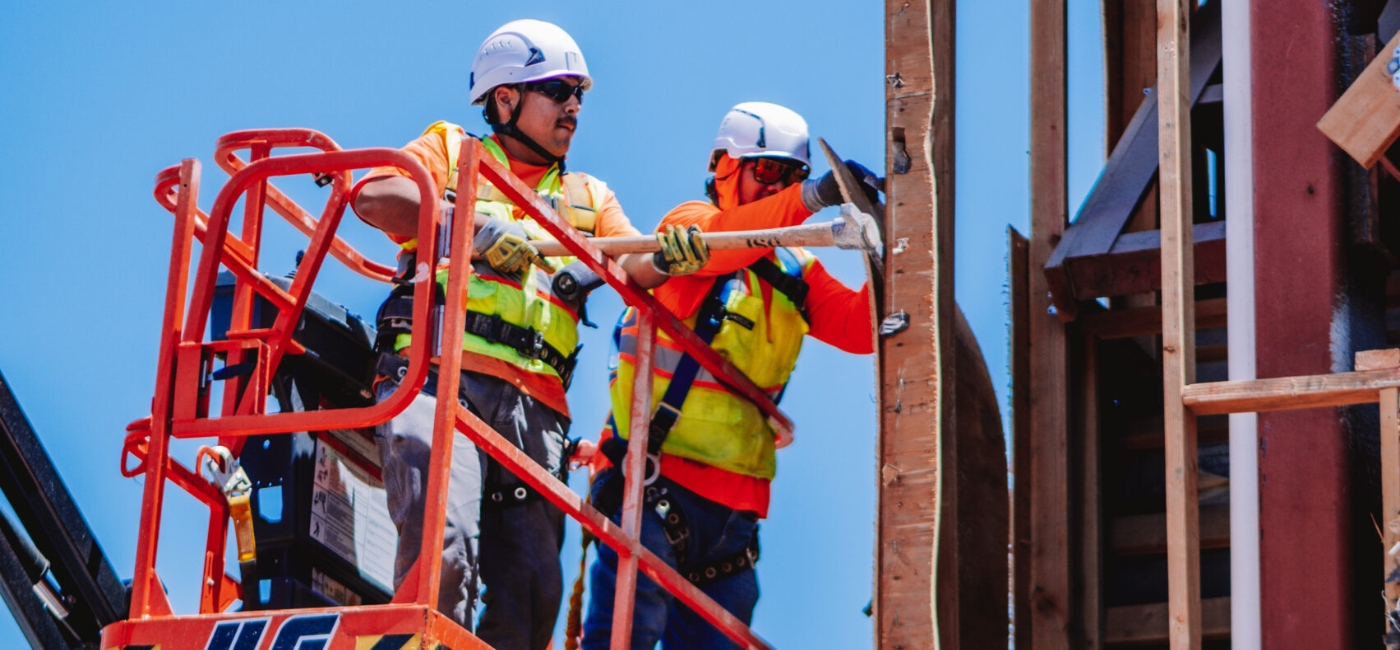
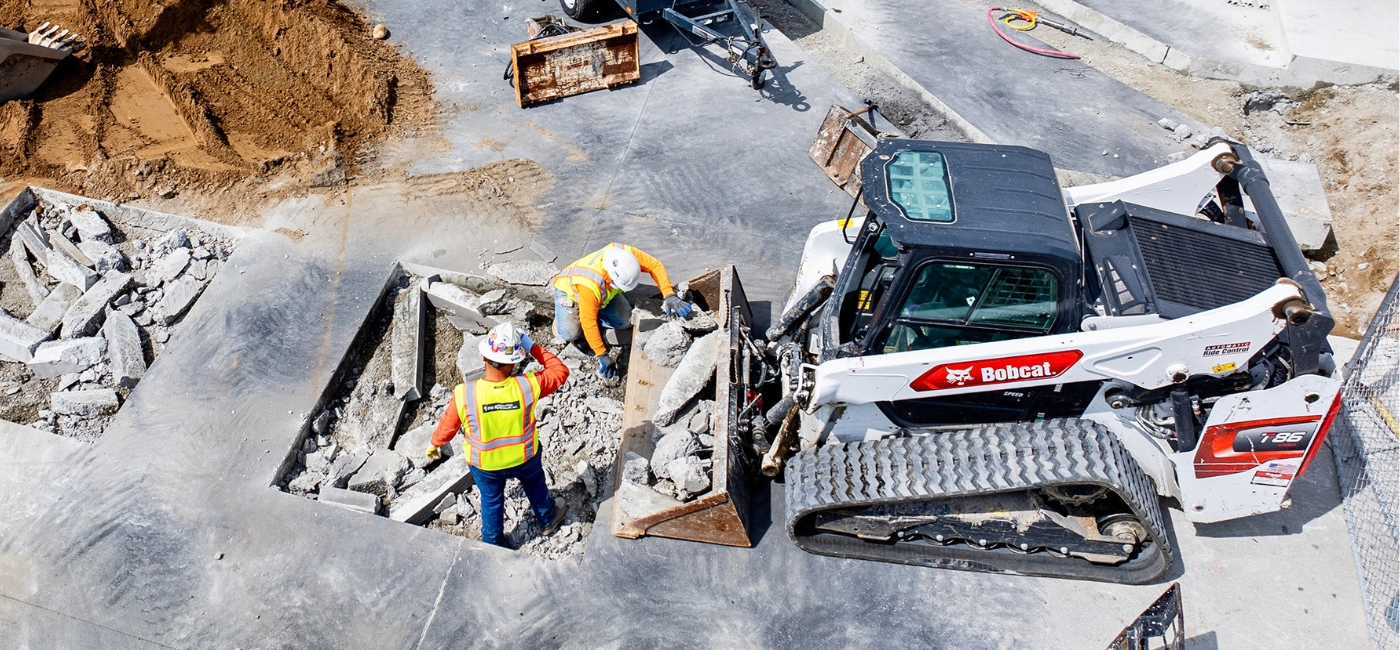
A retail construction contractor operates inside someone else’s property under someone else’s rules while accountable to a brand that has no tolerance for deviation and an opening date that doesn’t move. Managing one location under those conditions requires experience. Managing several simultaneously requires a contractor who has turned that experience into a repeatable system.
WakeCo provides construction management and general contracting for retail construction programs across Southern California, including multi-site builds and landlord coordination across shopping centers, strip malls, and freestanding retail. Contact us to discuss your project.
Southern California’s Retail Market Makes Every Site Contested
Southern California has only 914,000 square feet of retail under development across the entire region as of FY2025, in a market of over 500 million square feet. Orange County retail vacancy sits around 4 to 5%, and well-located space in prime corridors is absorbed almost immediately. Retailers entering this market typically take second-generation spaces rather than purpose-built shells, and those spaces carry conditions the brand package wasn’t designed around.
Change of use from one business category to another triggers current code compliance under the 2025 California Building Standards Code, effective January 1, 2026. Converting a space from office or food service to a new retail category can require seismic retrofitting, ADA-compliant restroom upgrades, and parking ratio reviews that weren’t in the original project budget.
A contractor who identifies those triggers during preconstruction addresses them before lease terms are locked. One who doesn’t identifies them as change orders.
What Landlord Coordination Actually Involves
Landlord coordination in retail construction runs in layers, each on its own timeline independent of the city permit process. Design review comes first. The landlord’s tenant coordinator reviews construction drawings for compliance with the center’s design criteria before the contractor can submit for permit. Storefront materials, signage dimensions, and illumination standards are governed by the landlord’s package, not the retailer’s preference.
Los Angeles plan checkers also verify signage against the jurisdiction-approved Master Sign Program before approving applications. Signage that hasn’t been cross-checked against both the brand package and the MSP generates a correction cycle that doesn’t surface until plan check, directly compressing the schedule against a fixed opening date.
Utility coordination runs on a separate track from design review. The landlord controls base building mechanical and electrical infrastructure, and tenant connection points aren’t available until the landlord’s work is complete. If that work slips, the tenant’s fit-out slips with it regardless of how well the contractor is performing their scope.
Holiday Blackout Periods and Construction Restrictions
Most shopping centers restrict or suspend tenant construction from mid-November through the end of December. Noisy demolition, core drilling, and MEP rough-in are limited to off-hours year-round. Material deliveries are coordinated through property management to protect loading dock access. A retailer that misses its Thanksgiving opening window will miss the Christmas season entirely, and no post-holiday construction acceleration recovers that revenue.
Back-to-school seasons and major center promotional events impose additional restrictions. A contractor managing multiple Southern California mall locations must track each center’s operational calendar independently.
Restrictions that apply at one Westfield property may differ from those at a neighboring outdoor lifestyle center three miles away. Mapping those constraints against the construction schedule during preconstruction is a baseline requirement, not an advanced practice.
Permitting Across Multiple Jurisdictions
Retail construction in Southern California requires permits for construction, electrical, plumbing, accessibility upgrades, and in many cases fire life-safety reviews. Los Angeles, Santa Monica, and West Hollywood run longer approval timelines than most Orange County jurisdictions. Incomplete submittals generate correction cycles that extend both the permit timeline and lease obligations before opening.
Cities across Orange County and Greater Los Angeles have rolled out new e-permitting platforms with updated submittal checklists, and resubmittals caused by mismatched file formats or out-of-date checklists are a consistent source of avoidable delay. Confirming current checklist and file standards with each jurisdiction before submittal is a preconstruction step that contractors unfamiliar with those cities routinely skip.
Running landlord approval and city permit review simultaneously rather than sequentially is the only approach that protects the construction schedule. Both processes require complete, compliant submittals from the start, and treating them as sequential steps adds months the opening date doesn’t have.
Running a Multi-Site Program Without Losing Control
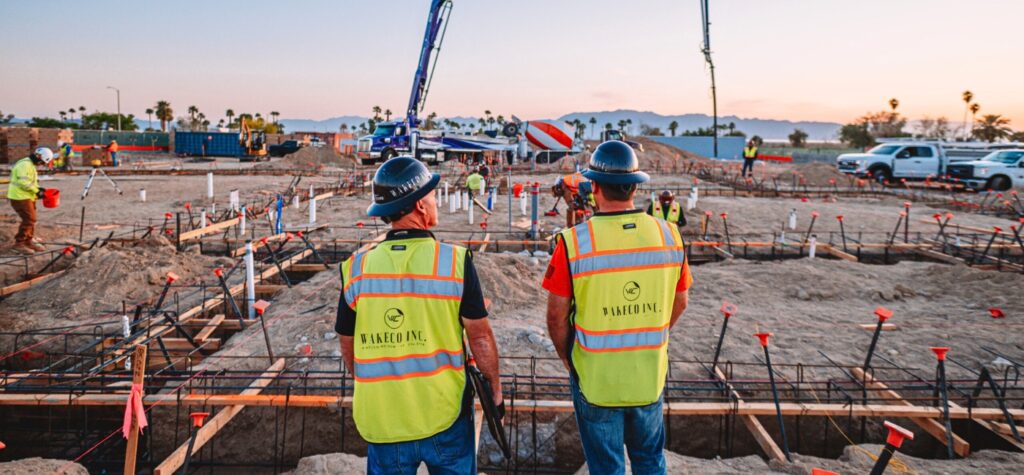
The most common failure mode in retail rollout programs is treating them as a series of individual projects rather than a coordinated program. Overreliance on disconnected local contractors, inconsistent scope documentation, and lack of centralized accountability produce brand standard deviations that compound with each successive location.
A standardized scope of work, schedule template, and quality checklist applied across every location keeps the program from degrading as it scales. California’s new SB 440 establishes a statutory process for submitting and resolving claims and change-order disputes on private works projects. A multi-site contractor without disciplined change-order documentation across all locations faces compounding exposure that a single-location build would never accumulate.
Subcontractor networks with coverage across Southern California’s submarkets eliminate the performance variability that comes from sourcing new trades at each location. A contractor who has to vet and onboard subcontractors location by location is building schedule risk into every new site before a permit is even filed.
Planning Your Retail Construction Program
The conditions that slow retail programs are predictable. Landlord approval cycles, blackout period conflicts, permit timeline variation, and inconsistent execution each follow patterns that preconstruction planning interrupts before they become construction-phase problems.
Retailers who engage a contractor before lease execution confirm constructability, map approval timelines, and identify blackout period risks while those decisions are still open. Those who engage after absorb the consequences of a schedule built without that input.
WakeCo brings the construction management experience and Southern California market knowledge retail programs require. Contact us to discuss your project and how our preconstruction process addresses the landlord coordination and multi-site conditions that determine whether programs open on time.
Frequently Asked Questions
What does landlord coordination involve on a retail construction project?
Landlord coordination covers design review for compliance with the center’s criteria, utility connection coordination with base building infrastructure, construction drawing approval before permit submittal, and a final walkthrough at closeout. Each step runs on its own timeline separate from the city permit process. Running landlord approval and city permit review simultaneously is the most effective way to protect the construction schedule.
How do holiday blackout periods affect retail construction scheduling?
Most shopping centers restrict or suspend tenant construction from mid-November through the end of December, with noisy work limited to off-hours year-round. A retailer that misses its Thanksgiving opening window loses the Christmas season entirely, and that revenue loss isn’t recoverable. Blackout restrictions vary by property and must be mapped against the construction schedule during preconstruction at each specific location.
What permits does retail construction require in Southern California?
Retail construction requires permits for construction, electrical, plumbing, accessibility upgrades, and in many cases fire life-safety reviews. Change of use from one business category to another can trigger current code compliance requirements including seismic retrofitting and ADA restroom upgrades. Incomplete submittals generate correction cycles that extend the permit timeline and lease obligations before opening.
What causes multi-site retail programs to fail?
Programs fail when treated as individual projects rather than a coordinated program. Overreliance on disconnected local contractors, inconsistent scope documentation, and lack of centralized accountability produce brand standard deviations that compound with each location. California’s SB 440 also introduces statutory change-order dispute procedures for private works projects that reward contractors with disciplined documentation practices across all locations.
When should a retailer engage a contractor for a multi-site retail program?
Before lease execution on the first location, and no later than immediately after. A contractor engaged during lease negotiations can evaluate each space’s existing conditions, identify landlord design criteria requirements, map blackout period constraints against target opening dates, and initiate permit pre-application coordination. Those decisions are significantly less expensive to make before the lease is signed than after construction is underway.