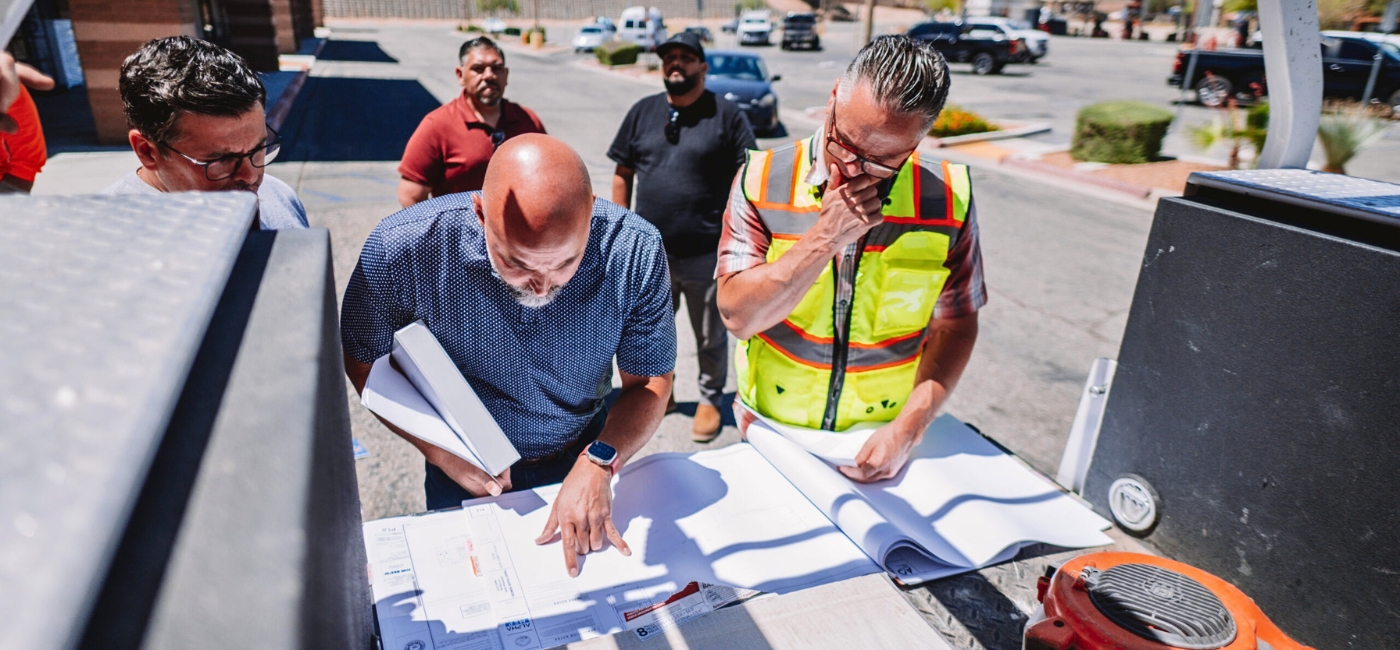
Design-build is a project delivery method in which a single contractor holds responsibility for both design and construction under one contract. That structural difference changes how a project moves from concept to occupancy.
In traditional design-bid-build, design completes before construction pricing begins, and construction pricing completes before work starts. Each phase waits for the one before it. In design-build, those phases overlap, and the contractor who will build the project is in the room while it is being designed.
WakeCo provides design-build and construction management services across Southern California for ground-up commercial construction, tenant improvements, office build-outs, and industrial facilities. Contact us to discuss your project and whether design-build delivery fits your schedule and budget requirements.
How Phase Overlap Compresses the Schedule
In design-bid-build, every phase is sequential by structure. The design team completes drawings. The owner bids those drawings to contractors. The winning contractor begins work. Each hand-off adds weeks or months to the total schedule, and none of that time produces anything on the ground.
Design-build eliminates two of those hand-offs. The contractor enters during design, not after it. Procurement of long-lead materials can begin before construction documents are finalized. Foundation work can start while upper-level structural design is still being resolved. That progressive, package-by-package release of work is what compresses the schedule.
The compression is not trivial. According to the Design-Build Institute of America’s 2025 Data Sourcebook, design-build projects are delivered 102% faster from design through completion than comparable design-bid-build projects. That figure comes from research tracking performance across project types and sizes, not from a single category of work.
Single-Source Accountability and What It Resolves
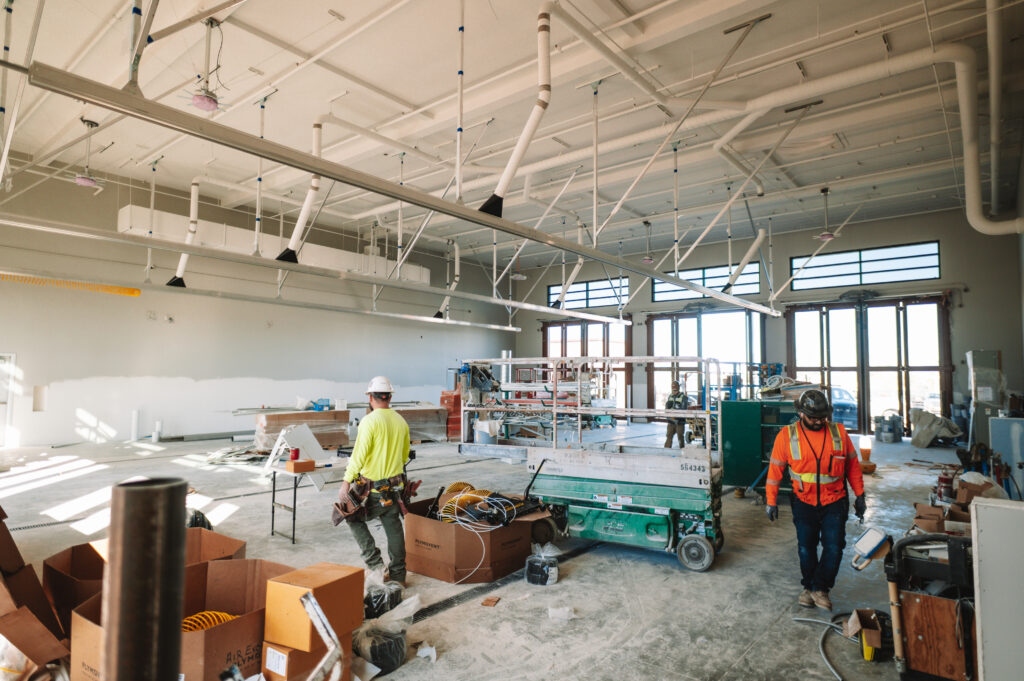
In design-bid-build, the architect and the contractor have separate contracts with the owner. When something goes wrong, each party’s first question is whether the problem originated in the design or the execution. That gap between contracts is where disputes form and where projects stall.
Design-build puts design and construction under one contractual entity. The design-builder cannot point to the drawings when a field conflict emerges, because the design-builder produced the drawings. That accountability structure removes the blame transfer that slows traditional projects during problem resolution.
It also changes how constructability gets handled. When a contractor builds what an architect designed, the contractor’s input on how something should be built arrives after the design is complete. In design-build, contractor knowledge of sequencing, materials, and site logistics is applied during the design itself, before those decisions become expensive to reverse.
Schedule and Cost Performance by the Numbers
Timeline compression is the headline benefit of design-build, but cost performance is equally documented. DBIA’s research shows design-build projects experience 3.8% less cost growth than design-bid-build, and 6% fewer change orders. Both figures reflect the same structural advantage: when the contractor who builds the project participates in its design, costly surprises at the construction phase are caught earlier.
Design-build projects also see 1.7% less schedule growth than design-bid-build, meaning they finish closer to their original projected completion date. For commercial projects where lease start dates, business openings, or revenue generation depend on a specific delivery window, schedule reliability is not a secondary concern.
Choosing the Right Delivery Method for Your Project
Design-build is most effective for projects where schedule compression has direct commercial value, where the owner prefers a single point of accountability, and where the scope is sufficiently defined at project outset to set a workable budget before design begins.
It is less suited to projects where the owner wants maximum design freedom and intends to evaluate design documents before selecting a contractor on price. In those cases, design-bid-build gives the owner full design control and open competitive bidding. The trade-off is time: the sequential process adds months that design-build compresses.
The owner’s experience level matters too. Design-build requires more active engagement during the design phase, because decisions that would normally be made sequentially now need to be made faster. Owners who haven’t been through the process before benefit from a contractor who structures that decision cadence clearly and doesn’t let the compressed schedule create gaps in the owner’s understanding of what they’re building.
FMI projects design-build will represent over 47% of total U.S. construction spending by 2028, accounting for $2.6 trillion between 2024 and 2028. That growth reflects owners across project types choosing schedule certainty and single-source accountability over the traditional sequential model.
WakeCo’s Design-Build Process in Southern California
WakeCo provides design-build delivery across Southern California’s commercial, industrial, and public works sectors. The preconstruction process confirms project feasibility, identifies permit requirements specific to the project’s jurisdiction, and establishes a realistic schedule and budget before design begins. Procurement of long-lead materials is initiated during design rather than after it.
That procurement timing is one of the more practical advantages of design-build in Southern California’s current market. Material lead times for mechanical equipment, electrical gear, and structural steel have remained elevated, and a contractor who can order ahead of finalized documents rather than after them absorbs weeks of lead time into the design phase rather than adding them to the construction phase.
Southern California’s permitting environment, with 34 independently operating cities in Orange County alone and jurisdiction-specific local amendments to the 2025 California Building Standards Code, requires a design-build contractor with current knowledge of each city’s application requirements and review timelines. WakeCo coordinates permit submittals that address the specific city’s requirements, not a generic statewide framework.
Frequently Asked Questions
What is a design-build contractor?
A design-build contractor provides both design and construction services under a single contract, serving as the sole responsible party for delivering a completed project. Rather than the owner managing separate agreements with an architect and a general contractor, the design-build entity coordinates both disciplines internally. This unified responsibility is the structural difference between design-build and traditional delivery.
How much faster is design-build compared to design-bid-build?
According to the Design-Build Institute of America’s 2025 Data Sourcebook, design-build projects are delivered 102% faster from design through completion than comparable design-bid-build projects. That compression comes from overlapping design and construction phases rather than running them sequentially. Projects also see 1.7% less schedule growth, meaning they finish closer to the original projected completion date.
Does design-build cost more than design-bid-build?
Design-build projects experience 3.8% less cost growth and 6% fewer change orders than design-bid-build, according to DBIA research. The integration of design and construction reduces the late-stage conflicts that generate change orders in traditional delivery. Upfront budget certainty may be lower in design-build since construction begins before all design documents are complete, but total cost performance is consistently more reliable.
What types of projects are best suited to design-build delivery?
Design-build works best for projects where schedule compression has direct commercial value, where the owner prefers single-source accountability, and where the project scope is defined well enough to establish a working budget before design begins. Industrial facilities, commercial build-outs, ground-up construction with defined programs, and tenant improvements with fixed lease start dates are all well-suited to design-build delivery.
How does WakeCo handle permitting in Southern California’s design-build projects?
WakeCo prepares permit submittals that address the specific requirements of the city where each project is located, including local amendments to the 2025 California Building Standards Code effective January 1, 2026. Southern California’s municipalities each administer permits independently, with distinct fee schedules, application portals, and review timelines. Permit strategy is established during preconstruction, not after design documents are complete.