
Hiring the right land development contractors in Temecula is the first step toward transforming raw land into successful residential, commercial, or mixed-use projects. Before any structure goes up, the land must be properly planned, graded, and connected to essential utilities. In Temecula, where topography, zoning, and environmental concerns play a significant role, experienced contractors ensure projects comply with local requirements and avoid costly delays.
WakeCo, Inc. has built its reputation on delivering comprehensive land development services across California and Arizona. This article explores their role, responsibilities, and the value they bring to shaping Temecula’s growth.
What Is Land Development Contracting? Key Responsibilities
Land development contracting is the process of preparing land so it’s ready for construction. Unlike vertical builders who focus on structures, land development contractors handle everything needed to make a site buildable.
Core Responsibilities
- Site Planning & Evaluation: Contractors review surveys, zoning rules, and environmental reports to confirm the land’s potential.
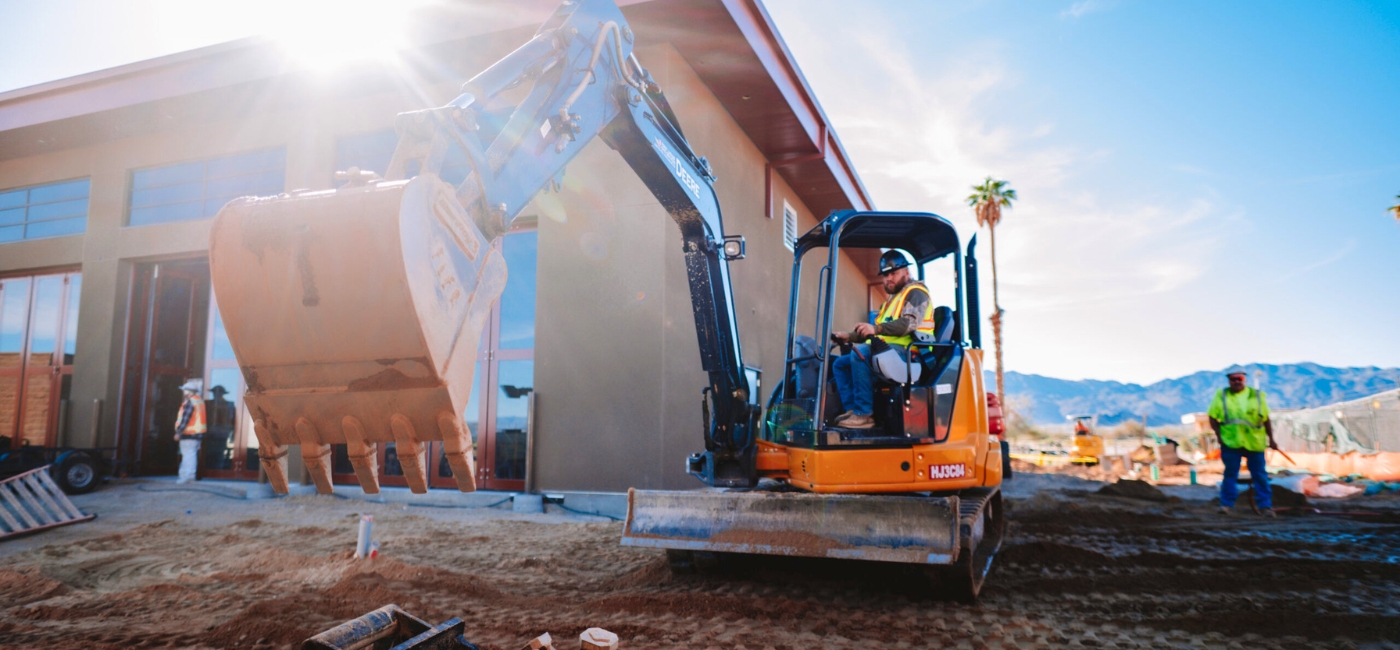
- Grading & Earthwork: They level, cut, or fill land to create stable building surfaces, ensure proper drainage, and prevent erosion.
- Utility Installation: Essential systems like water, sewer, gas, electricity, and storm drains are designed and built for long-term function.
- Permitting & Regulatory Compliance: Contractors navigate municipal rules, building codes, and environmental requirements to secure approvals.
- Roads & Access: They design and build roads, sidewalks, curbs, and parking areas to connect developments to the larger community.
- Stormwater & Environmental Management: Systems are built to handle run-off, meet state environmental standards, and protect surrounding areas.
Deliverables Clients Can Expect
A strong land development contractor provides grading plans, soils reports, utility layouts, drainage solutions, and compliance documentation. They don’t just move dirt—they ensure the site is legally and physically ready for structures.
In short, land development contracting bridges the gap between raw land and finished construction, turning vision into actionable groundwork.
Why Temecula’s Geography & Regulations Matter
Temecula is unique, with geography and regulations that directly affect land development. Contractors must tailor their approach to local conditions or risk significant setbacks.
Topography & Soil Conditions
Temecula’s rolling hills and elevation changes present grading challenges. Sloped sites require terracing, retaining walls, or special drainage systems. Soil types vary widely, with some areas requiring stabilization or additional geotechnical analysis.
Climate & Environmental Factors
Temecula’s Mediterranean climate brings long dry summers and short bursts of heavy rain. Contractors must design grading and stormwater systems to handle erosion and sediment control. Fire zones also influence materials and site layouts, particularly for developments near hillsides.
Water Management & Drought Rules
Water scarcity in Riverside County adds another layer of complexity. Developers must incorporate drought-tolerant landscaping, efficient irrigation, and stormwater capture systems. Contractors experienced with local ordinances help meet both state and city water-efficiency requirements.
Local Permitting Process
Land development in Temecula involves navigating city departments, Riverside County agencies, and environmental regulators. Permits may cover grading, stormwater, encroachments, and utility tie-ins. Public hearings or environmental reviews can also be part of the process.
Why Local Knowledge Counts
Contractors unfamiliar with Temecula’s terrain or rules may underestimate challenges, leading to failed inspections or rework. Local expertise ensures compliance with grading ordinances, stormwater permits (NPDES), and hillside development guidelines.
In Temecula, geography and regulation are inseparable from development. Skilled contractors anticipate these factors, creating buildable sites that stand the test of time.
Phases of a Typical Land Development Project in Temecula
Land development in Temecula follows a clear progression. Understanding each phase helps clients anticipate timelines and deliverables.
Phase 1: Feasibility & Due Diligence
Before committing resources, contractors evaluate site potential. This includes surveys, soils tests, zoning checks, and environmental assessments to determine whether the land is suitable.
Phase 2: Planning & Design
Once feasibility is confirmed, civil engineers and contractors create grading plans, utility layouts, and drainage designs. The site’s layout is optimized for function, safety, and compliance.
Phase 3: Permitting & Regulatory Approvals
Plans must be reviewed by the City of Temecula, Riverside County, and environmental agencies. Approvals may include grading permits, stormwater management plans, and encroachment permits. Contractors manage submissions and revisions.
Phase 4: Site Preparation & Infrastructure Construction
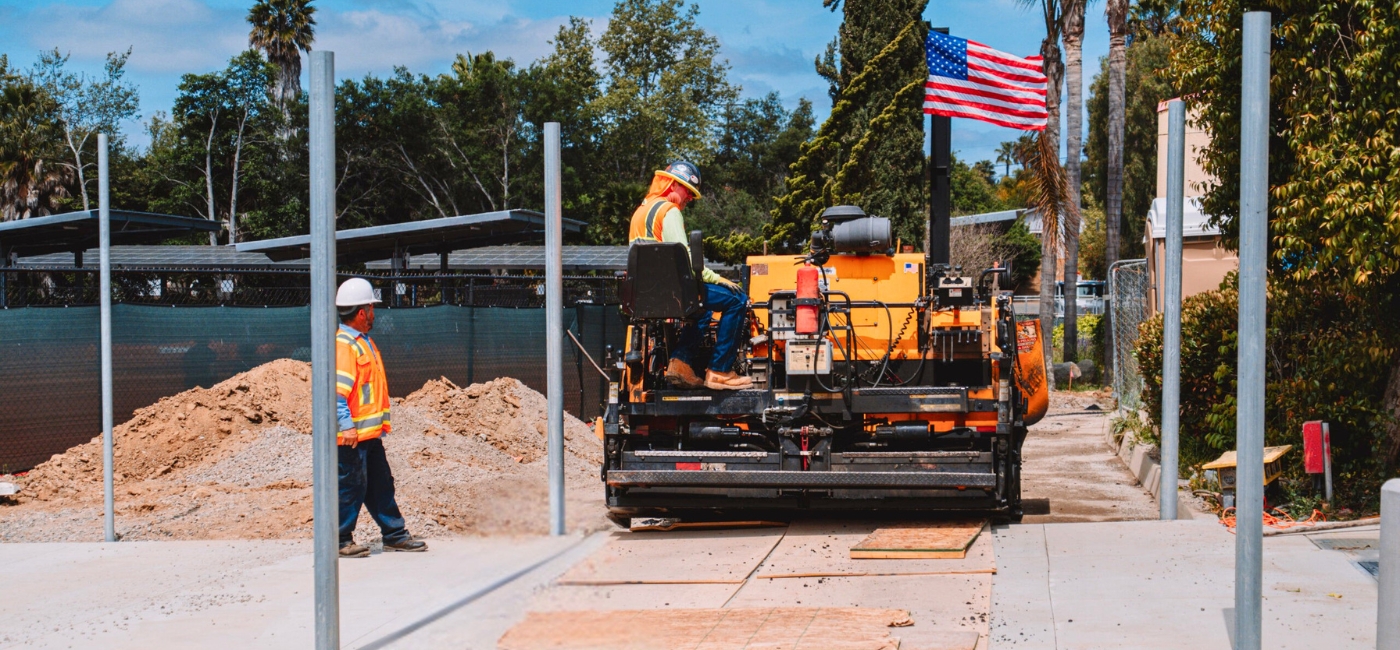
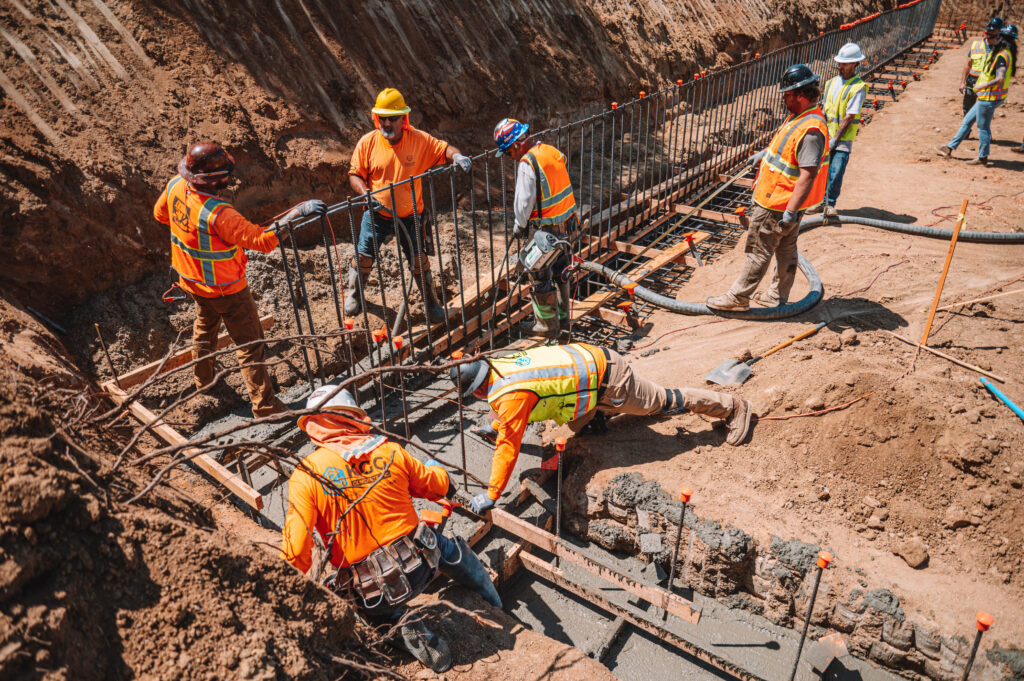
This is where physical work begins. Contractors handle rough grading, trenching, and installation of utilities like sewer, water, and storm drains. Roads, sidewalks, and curbs are built to connect the development.
Phase 5: Finalization & Close-Out
Final grading, utility tie-ins, and landscaping are completed. Contractors coordinate inspections to secure certifications and approvals, ensuring the site is officially ready for vertical construction.
Each phase builds upon the last. With proper planning and skilled execution, projects move smoothly from raw land to construction-ready sites.
Important Services and Skills to Expect from a Contractor
Land development contractors bring specialized services and expertise that go beyond general construction.
Technical & Engineering Expertise
A contractor’s knowledge of civil engineering, soils, and drainage is critical. They work closely with geotechnical experts to design stable sites and prevent future structural issues.
Utility Coordination
Modern developments require complex utility integration. Contractors manage water, sewer, electrical, and telecommunications layouts, often coordinating with public utility companies and municipalities.
Permitting & Regulatory Knowledge
Strong contractors know Temecula’s permitting system inside and out. They guide clients through applications, respond to reviewer comments, and handle inspections to prevent costly delays.
Environmental & Stormwater Management
Erosion control and stormwater design are essential to protect natural resources and comply with state and federal regulations. Contractors provide SWPPPs (Stormwater Pollution Prevention Plans) and implement BMPs (Best Management Practices).
Project Management & Communication
Successful land development depends on clear scheduling and coordination across multiple trades and agencies. Contractors provide regular updates, transparent cost estimates, and documentation to keep stakeholders aligned.
Problem-Solving Under Pressure
Unexpected issues—like hitting rock, finding old utilities, or soil instability—can derail projects. Skilled contractors anticipate these risks and propose practical solutions to stay on track.
The right contractor combines technical skills, regulatory knowledge, and project management expertise to ensure land development is efficient, compliant, and ready for construction.
How to Choose the Right Land Development Contractor in Temecula
Selecting the right contractor can make or break your project.
Key Criteria
- Licensing & Insurance: Verify credentials with California’s Contractors State License Board.
- Local Experience: A contractor with a proven track record in Temecula and Riverside County knows the terrain and regulations.
- Portfolio: Review similar projects—residential subdivisions, commercial pads, or mixed-use developments.
- References: Speak with past clients about timelines, communication, and quality.
Questions to Ask
- How do you handle permitting with Temecula’s city departments?
- What experience do you have with hillside grading or erosion control?
- How do you manage unexpected soil or utility issues?
- What communication practices do you use during projects?
Red Flags
- Vague bids without itemized details.
- Contractors dismissive of permit or inspection requirements.
- Limited or no experience with Temecula projects.
Choosing a land development contractor is about more than price—it’s about trust, local expertise, and the ability to manage complexity from start to finish.
Common Risks & Local Challenges (and How Contractors Deal with Them)
Land development in Temecula comes with unique risks. Skilled contractors know how to manage them.
Erosion & Sediment Control
Heavy rain can cause erosion on graded slopes. Contractors mitigate this with silt fences, retaining walls, and proper drainage systems.
Soil Surprises
Unstable soils, rock formations, or high water tables can create costly problems. Geotechnical testing and contingency planning reduce surprises.
Permitting Delays
City reviews and environmental clearances can stall projects. Experienced contractors build time buffers and maintain communication with permitting authorities to avoid bottlenecks.
Utility Conflicts
Underground utilities may be improperly mapped or lack capacity for new developments. Contractors coordinate early with utility providers and plan upgrades where necessary.
Water & Environmental Regulations
Riverside County enforces strict stormwater and drought-compliance rules. Contractors incorporate water-efficient designs, capture systems, and drought-tolerant landscaping to meet standards.
By anticipating these challenges, contractors reduce risk and keep projects moving forward. Local knowledge is the difference between smooth progress and costly setbacks.
Value & Benefits of a Good Land Development Contractor
The value of a skilled land development contractor goes far beyond moving dirt.
- Time Savings: Experienced contractors streamline permits and inspections, cutting down on delays.
- Cost Efficiency: Proper planning reduces rework, optimizes grading, and avoids costly fixes.
- Risk Reduction: Compliance with codes and environmental standards lowers the chance of fines or stop-work orders.
- Buildability: A well-prepared site improves the quality and longevity of future structures.
- Enhanced Property Value: Sites developed with care attract higher interest from builders and investors.
Ultimately, a good contractor transforms uncertainty into predictable outcomes, helping projects launch smoothly and finish stronger.
Why WakeCo, Inc. Excels in Land Development in Temecula
WakeCo, Inc. is a trusted name in land development contracting across California and Arizona, with deep expertise in Temecula’s unique landscape.
Local Knowledge & Licensing
WakeCo is fully licensed and has decades of experience navigating Temecula’s grading ordinances, stormwater requirements, and hillside regulations.
Full-Service Capabilities
From feasibility studies and design coordination to utility installation and site work, WakeCo manages every stage of development. Clients benefit from end-to-end service without juggling multiple providers.
Developer’s Perspective
WakeCo approaches projects with a developer’s mindset, weighing constructability, cost efficiency, and regulatory risk from day one. Their transparency ensures clients understand scope, timelines, and budgets clearly.
Track Record of Success
As a family-owned business, WakeCo has built lasting relationships with clients and regulators alike. Their strong portfolio demonstrates consistent delivery of compliant, high-quality land development projects.
For Temecula landowners and developers, WakeCo offers the expertise, reliability, and local insight needed to turn raw land into thriving projects.
Building Temecula’s Future, One Lot at a Time
Land development is the invisible foundation of every successful project, and in Temecula, it comes with unique geographic and regulatory challenges. Skilled contractors ensure sites are properly planned, graded, and connected to essential infrastructure before building begins. By choosing the right partner, developers save time, control costs, and reduce risk.
WakeCo, Inc. brings unmatched local expertise, transparency, and full-service capabilities to every project. If you’re seeking trusted land development contractors in Temecula, reach out to WakeCo today and take the first step toward transforming your land into a lasting investment.
Frequently Asked Questions (FAQs)
1. What does land development include compared to building construction?
Land development prepares the site—grading, drainage, utilities, and roads—while building construction focuses on vertical structures. Both phases are essential, but development must come first to create a safe, compliant foundation for future buildings.
2. How long does land development take in Temecula?
Timelines vary by project size and permits, but most land development phases span several months. Factors like grading complexity, regulatory reviews, and utility tie-ins play a major role in determining total duration.
3. What permits are needed for land development in Temecula?
Typical permits include grading, stormwater management, encroachment, and utility connections. Environmental reviews or public hearings may also be required depending on site conditions and project scope. Contractors guide clients through this process.
4. How are costs estimated for land development?
Costs are influenced by grading complexity, soil conditions, utility needs, and permitting requirements. Contractors provide detailed estimates, factoring in both expected work and contingencies for potential site challenges.
5. What risks do land developers face in Temecula?
Risks include unstable soils, erosion, utility conflicts, permitting delays, and water restrictions. Experienced contractors anticipate these challenges with testing, planning, and early coordination to minimize setbacks.