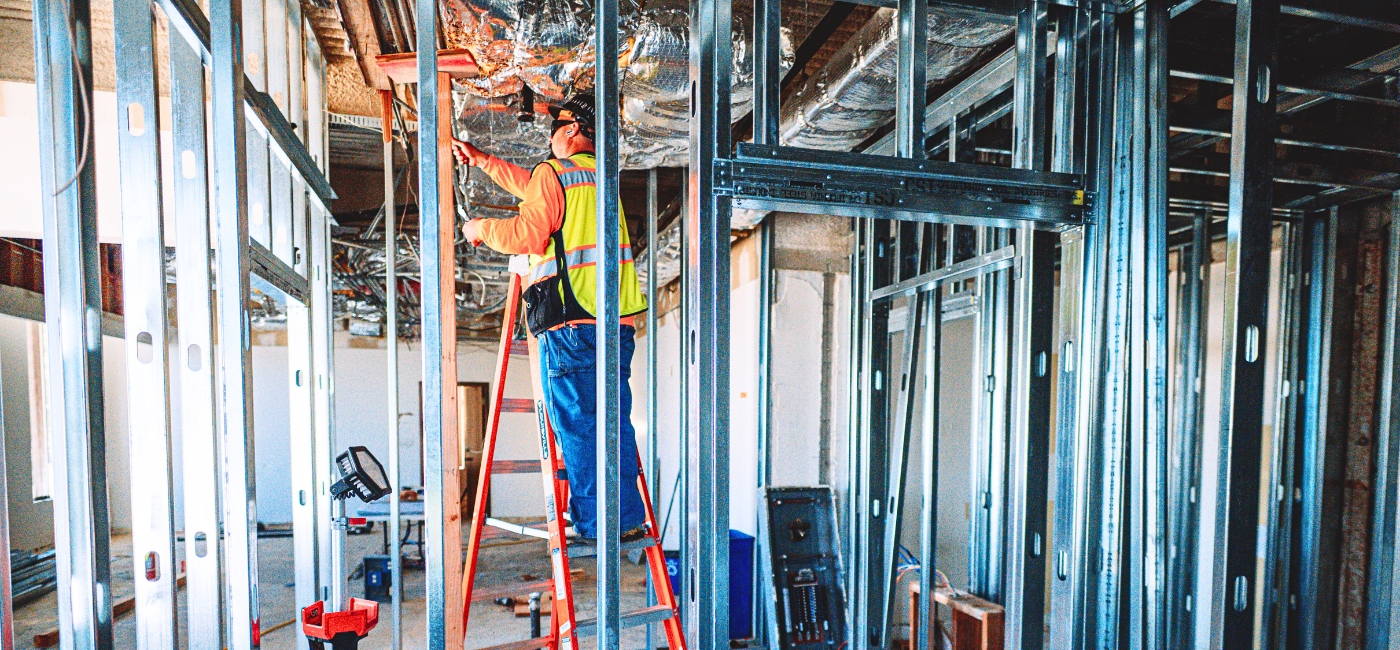
Ontario occupies 50 square miles in western San Bernardino County where commercial and industrial development serves a population exceeding 175,000 and the broader Inland Empire region. The city’s economy centers on logistics, international trade through Ontario International Airport, manufacturing, and retail commerce, creating construction demands across warehouse facilities, office buildings, industrial parks, and commercial retail developments.
WakeCo delivers construction services throughout Ontario with teams experienced in the city’s development requirements, Inland Empire climate conditions, seismic building standards, and the operational complexity commercial and industrial projects demand. Our approach addresses Ontario’s business-friendly permit processes, foundation engineering for varied soil conditions, and quality expectations commercial properties require.
Ontario’s Business-Friendly Development Environment
Ontario positions itself as Inland Empire’s most business-friendly city with streamlined permitting, economic development incentives, and infrastructure supporting commercial and industrial growth. The city prioritizes logistics and manufacturing development given proximity to Ontario International Airport, Interstate 10 and 15 corridors, and rail connections.
This development focus creates construction opportunities across warehouse and distribution facilities, industrial manufacturing plants, office buildings, and retail developments. Projects range from spec warehouse construction to build-to-suit industrial facilities and mixed-use developments.
WakeCo’s Ontario construction experience spans these project types, understanding how the city’s development priorities influence permit processing, infrastructure availability, and construction market conditions.
Commercial Construction Services in Ontario
Office Buildings and Professional Spaces
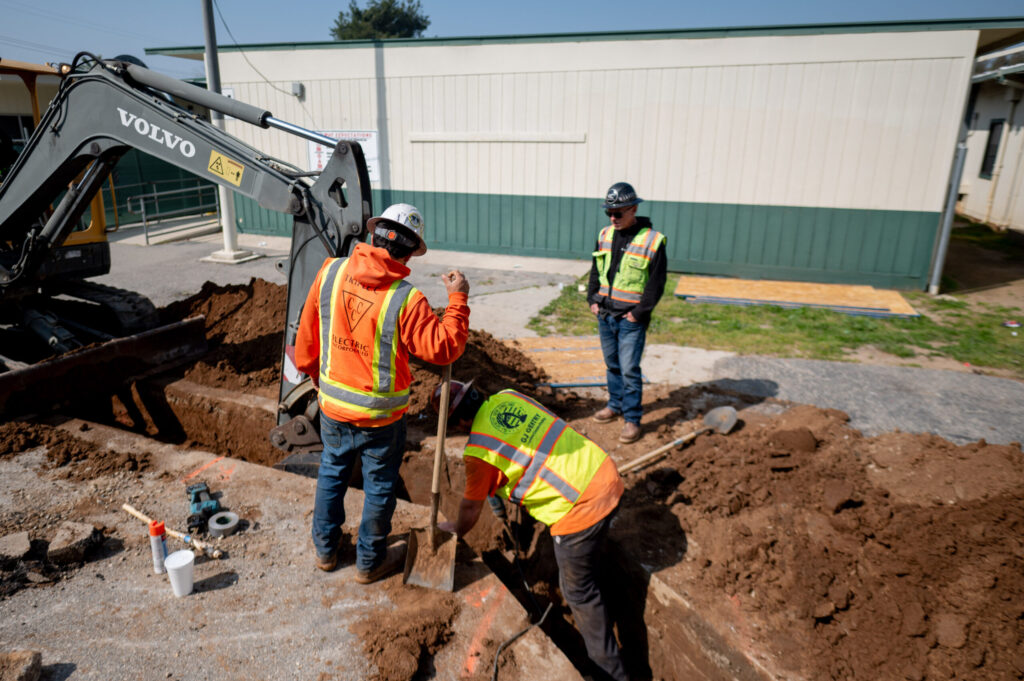
Ontario’s commercial office market serves professional services, corporate operations, and medical practices. Office construction ranges from multi-story buildings in downtown and airport-adjacent areas to suburban professional office parks.
WakeCo constructs office buildings addressing tenant finish expectations, technology infrastructure requirements, and mechanical systems providing proper indoor environment quality. Medical office construction involves additional complexity including specialized HVAC with higher air change rates, structural reinforcement for imaging equipment, and specific electrical configurations.
Retail Centers and Commercial Developments
Ontario’s retail construction serves both residents and regional shoppers drawn to Ontario Mills and commercial corridors along Holt Boulevard and Fourth Street. Projects range from neighborhood shopping centers to big-box retail and restaurant developments.
WakeCo delivers retail construction coordinating multiple tenant improvements, managing construction within occupied properties, and implementing durable finishes. Restaurant construction requires specialized coordination addressing commercial kitchen equipment, grease interceptors, hood suppression systems, and health department compliance.
Mixed-Use Developments
Downtown Ontario accommodates mixed-use projects combining ground-floor commercial with residential or office space above. These developments require construction addressing fire separation between occupancies, coordinated MEP systems, and phasing allowing commercial operations during construction.
WakeCo constructs mixed-use projects managing code requirements for separated occupancies and coordinating systems serving different functions.
Industrial Construction Services Across Ontario
Warehouse and Distribution Facilities
Modern distribution centers require clear span structures minimizing interior columns, dock-high loading with adequate truck maneuvering, floor systems supporting racking loads reaching 4,000+ pounds per square foot, and utility infrastructure for warehouse management technology.
WakeCo constructs distribution facilities with foundation engineering addressing concentrated loads, structural systems providing required clear spans, and construction schedules meeting tenant occupancy deadlines. Our warehouse construction includes e-commerce fulfillment centers, third-party logistics facilities, and cold storage warehouses.
High bay warehouses demand different mechanical approaches than office construction. Destratification fans prevent heat accumulation at roof level. Loading areas require dock seals, levelers, and sometimes climate separation protecting temperature-controlled zones.
Manufacturing and Industrial Facilities
Ontario’s industrial areas support light manufacturing, food processing, and specialized production operations requiring construction addressing equipment foundations, utility capacity, and operational requirements beyond standard warehouse construction.
WakeCo delivers industrial construction with foundation systems supporting heavy machinery, utility infrastructure meeting manufacturing demands, and construction phasing allowing continued operations during facility expansions.
Flex Industrial Buildings
Flex industrial construction combines warehouse space with office areas and sometimes showroom or light manufacturing functions. These hybrid facilities require construction managing transitions between different functional zones with varied ceiling heights, HVAC requirements, and finish standards.
WakeCo constructs flex industrial buildings coordinating distinct systems serving each functional area. Office zones receive finished ceilings and climate control. Warehouse areas prioritize clear height and durability.
Navigating Ontario’s Permitting Process
Ontario administers commercial and industrial permits through coordinated review emphasizing timely processing and business-friendly service. The city’s economic development focus translates to permit coordination supporting construction timelines.
Standard commercial and industrial permits typically clear review within 4-6 weeks with proper documentation. The city offers pre-submittal meetings identifying potential issues before formal applications.
WakeCo utilizes Ontario’s pre-submittal process when projects involve unusual conditions or accelerated schedules. Our permit applications address review requirements before initial filing, reducing revision cycles.
Ontario assesses development impact fees funding transportation infrastructure, public facilities, and utility capacity. Industrial and warehouse projects trigger lower fees per square foot than retail or office uses given different traffic generation and service demands.
WakeCo’s Approach to Ontario Construction
Foundation Engineering for Varied Soil Conditions
Ontario contains diverse soil conditions from stable alluvial deposits to areas with expansive clays or high groundwater. Geotechnical investigation determines appropriate foundation systems preventing settlement or moisture issues.
WakeCo coordinates soil investigation before design completion, implementing foundation systems addressing site-specific conditions. Our construction follows engineering specifications for proper reinforcement, moisture barriers, and post-tensioning when required.
Inland Empire Climate Construction Protocols
Ontario experiences temperature extremes with summer heat exceeding 100°F and winter freezing conditions. These conditions affect concrete curing, material expansion, and construction scheduling requiring adapted methods.
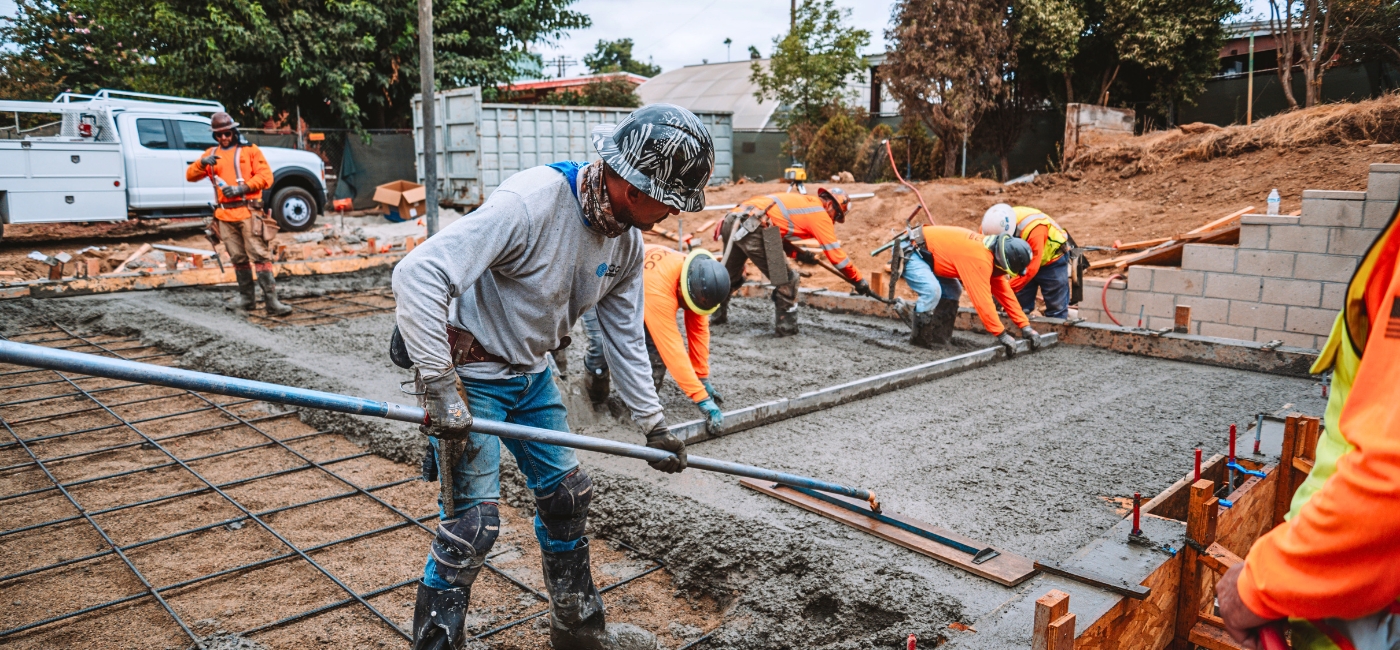
WakeCo implements climate-appropriate construction protocols. Concrete placements during summer occur during cooler hours with proper curing. Material specifications account for thermal movement. We schedule temperature-sensitive work during optimal weather windows.
Quality Control and Subcontractor Management
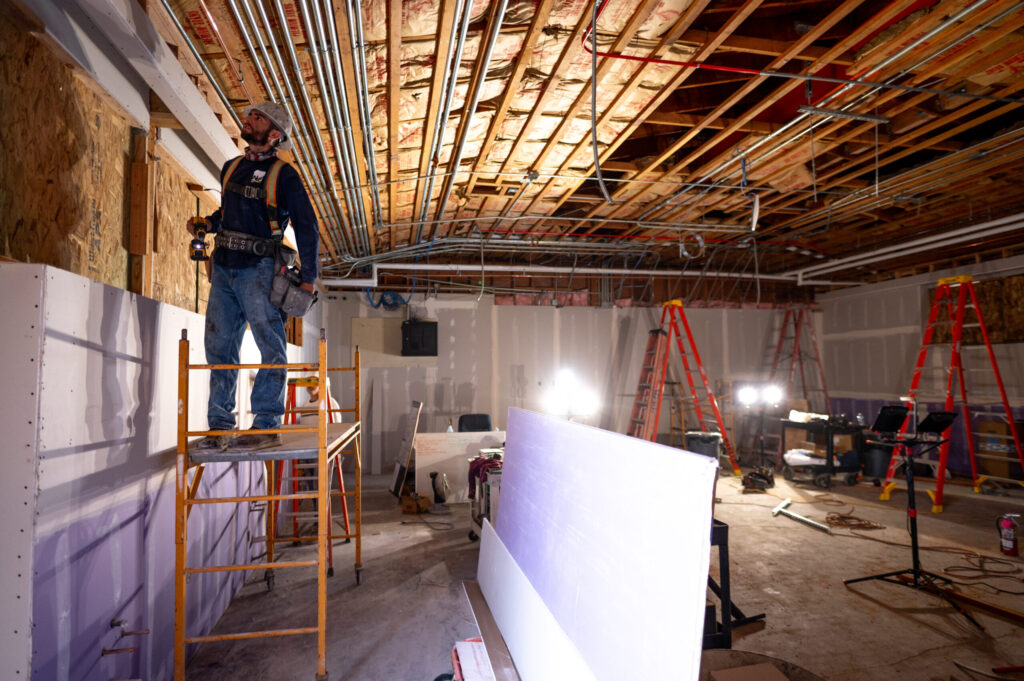
WakeCo implements quality protocols verifying material specifications and installation details throughout construction. Our superintendents identify deficiencies when correction remains straightforward rather than after subsequent trades complicate remediation.
We maintain qualified subcontractor relationships throughout Inland Empire markets, coordinating trade sequencing and protecting finish quality across commercial and industrial projects.
Why Ontario Projects Succeed With WakeCo
Clients choose WakeCo because our Ontario construction experience informs approach from preconstruction through closeout. We understand the city’s business-friendly permit processes. We navigate Inland Empire construction conditions efficiently. We deliver commercial and industrial projects meeting operational requirements and quality standards.
Our teams prevent failures common when contractors unfamiliar with Ontario’s development environment or Inland Empire conditions encounter unexpected challenges. We build projects designed for long-term performance in this competitive market.
Building Ontario’s Commercial and Industrial Future
Construction services for Ontario commercial and industrial projects require a deep understanding of streamlined permitting processes, Inland Empire climate conditions, foundation engineering for varied soil types, and the high-quality standards competitive markets demand. Project success depends on matching construction approaches to specific building types while efficiently navigating local requirements. With experience serving businesses throughout Southern California, including as a trusted general contractor in Pasadena, WakeCo brings regional expertise and proven construction strategies to every Ontario project.
Ready to discuss your Ontario commercial or industrial project? Contact WakeCo for construction services tailored to Ontario’s development environment and Inland Empire construction conditions. We’ll review your requirements and demonstrate how our experience delivers successful outcomes. Call today or request a consultation online.
Frequently Asked Questions
What makes Ontario’s permit process different from other Inland Empire cities?
Ontario emphasizes business-friendly, streamlined permitting with faster review timelines. The city offers pre-submittal meetings, coordinates interdepartmental review efficiently, and prioritizes complete first submittals. Standard commercial permits clear in 4-6 weeks compared to 6-10 weeks in some neighboring cities.
How do industrial and commercial construction differ in Ontario?
Industrial construction prioritizes operational efficiency, structural capacity for equipment and racking, and dock-high loading areas. Commercial construction emphasizes finish quality, customer-facing aesthetics, and tenant comfort. Industrial projects face lower development fees given different infrastructure impacts.
What soil conditions affect Ontario construction projects?
Ontario contains varied soil conditions from stable alluvial deposits to expansive clays or high groundwater in some areas. Geotechnical investigation determines appropriate foundation systems. Expansive soils require specialized foundations including post-tensioned slabs preventing movement damage.
Can warehouse construction occur year-round in Ontario?
Yes, though extreme summer heat affects concrete placement timing and worker productivity. Large concrete pours often occur early morning or at night during summer months. Construction schedules account for reduced productivity during temperature extremes while maintaining overall progress.
What makes medical office construction more complex than standard office buildings?
Medical offices require specialized HVAC with higher air change rates, accessible design exceeding standard requirements, structural reinforcement for imaging equipment, specific electrical configurations for exam rooms, and plumbing for sterilization. Code requirements differ fundamentally from general office construction.
How long do Ontario commercial construction projects typically take?
The timeline depends on project size and complexity. Small tenant improvements require 8-12 weeks. Ground-up retail or office buildings take 6-9 months. Large warehouse facilities range from 9-14 months depending on size and systems complexity.
What should property owners verify before hiring an Ontario contractor?
Verify active California contractor licensing through CSLB, review previous Ontario or Inland Empire projects in similar building types, confirm experience with project-specific requirements, check insurance coverage adequacy, and evaluate preconstruction planning capability.
Do flex industrial buildings cost more than standard warehouses?
Yes, typically 20-30% more per square foot. Flex buildings require finished office areas, varied ceiling heights, different HVAC zones, enhanced electrical distribution, and architectural features standard warehouses omit.