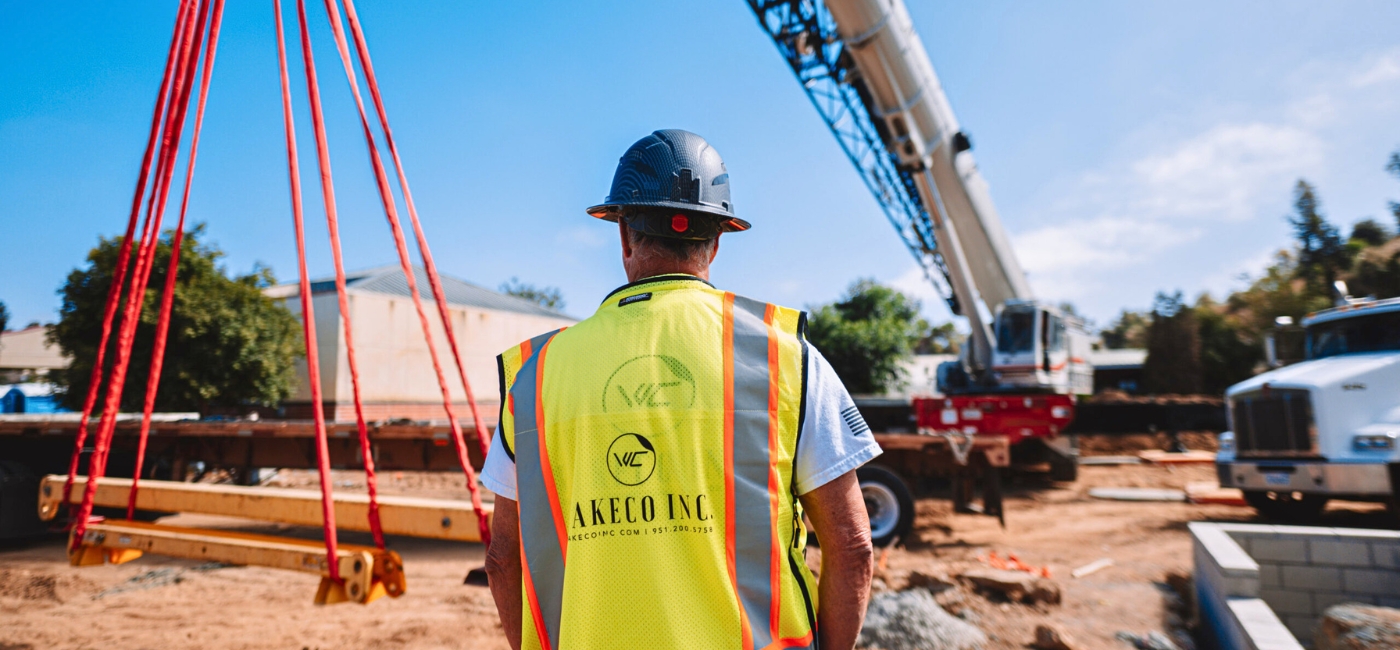
Most steel building failures don’t happen because the steel was bad. They happen because the contractor treating it as standard construction work didn’t understand the discipline well enough to know what could go wrong. Pre-engineered metal building erection has specific sequencing requirements, tolerance standards, and coordination demands that separate crews who have done this work from those attempting it for the first time on your project.
WakeCo provides construction management and general contracting for steel building and pre-engineered metal building projects across Southern California. Our preconstruction process addresses erection sequencing, permit coordination, and site preparation before commitments are made. Contact us to discuss your project.
Reading the Erection Drawings Before the Crane Arrives
The manufacturer’s erection drawings are not a reference document. They are the sequence. Pre-engineered steel components are designed to assemble in a specific order, and a contractor who improvises that sequence creates stability problems during the lift and connection misalignments that compound as the frame progresses.
An experienced erector walks the drawings before the crew arrives on site. That review identifies crane placement requirements, the heaviest individual picks, staging constraints, and any site conditions that conflict with the planned sequence. Rigid frame rafters on larger buildings can weigh several tons as individual pieces. The crane gets sized for the worst-case pick, not the average one, and that decision belongs in preconstruction.
Girt and purlin spacing is engineered to meet the wind, snow, and seismic load requirements for the specific project location. In Southern California’s seismic design categories, that spacing is not a suggestion. A contractor who adjusts it in the field without engineer approval is not being efficient.
Anchor Bolt Verification Before Steel Is Delivered
Anchor bolt placement is where foundation accuracy meets erection reality. Pre-engineered components are fabricated to exact dimensions based on approved foundation drawings. Misaligned anchor bolts create structural misfits requiring expensive field modifications and compromising load distribution across the column base.
A qualified contractor surveys bolt locations after the foundation is poured and before steel ships. Catching a misalignment at that stage costs a day. Catching it after a frame section is on a crane costs significantly more in time, equipment, and rework. Contractors who rely on the foundation contractor’s self-reporting without independent verification are transferring that risk to the project.
The discipline of confirming tolerances before steel arrives is not a sign of distrust toward the foundation crew. It is standard practice for erectors who understand what happens when that step gets skipped.
What AISC Certification Tells You About a Contractor
The AISC Certified Steel Erector designation requires a documented quality management system covering every function of structural steel erection, verified through an independent audit. It is not a license. It is evidence that the contractor has institutionalized the practices that produce consistent quality rather than relying on individual crew competence that changes with each job.
Certified erectors can also transfer special inspection responsibilities under Chapter N of the AISC Specification. Rather than a third-party inspector, the erector’s own qualified staff performs those inspections on-site. That provision reduces cost and improves quality control simultaneously. Non-certified contractors cannot access it.
AISC Certification is not the only proxy for competence, but its absence on a contractor bidding complex steel work is worth examining. The program is rigorous enough that owners use it to prequalify erectors before the bidding process begins.
Crane Planning and Site Logistics
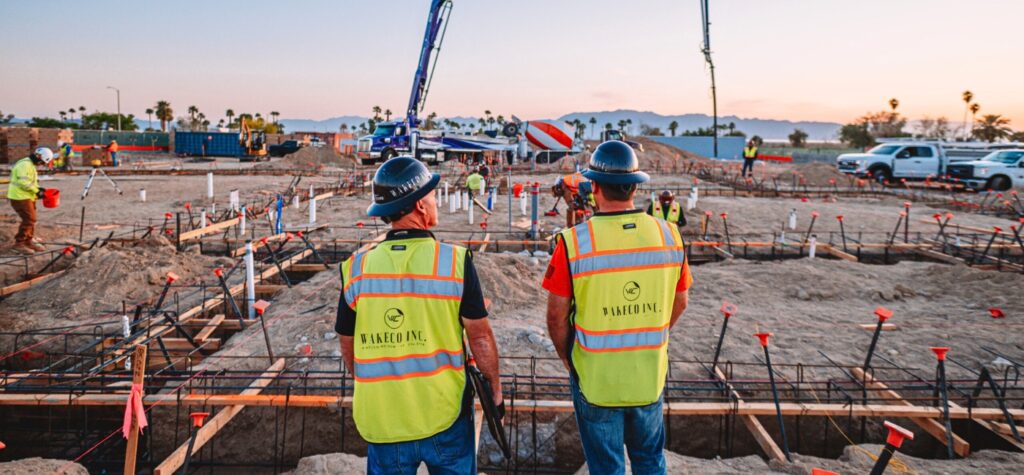
Crane selection and placement on a steel erection project is an engineering decision, not a day-of field call. The crane must be sized for the heaviest single pick on the job. Its position must account for swing radius, ground bearing capacity, overhead obstructions, and material staging access. None of those variables should be resolved when the crane operator arrives.
An experienced steel contractor conducts a pre-erection site visit that confirms foundation status, lay-down area access, crane positioning options, and whether the general contractor is on track to have everything ready before erection starts. Starting erection before the site is ready is one of the most common and expensive mistakes in steel building work. The pressure to gain schedule ground by starting early rarely recovers the time it costs.
Planning Your Steel Building Project
The differentiators between a clean erection and a difficult one are mostly established before steel is ordered. Foundation coordination, sequencing review, crane planning, and site preparation each belong in preconstruction where they are still cost-effective to address.
The building package itself represents only 30 to 40% of total project cost. The remainder covers foundation, erection labor, crane, insulation, MEP, and site work. Owners who plan all of it before ordering the building arrive at construction with a realistic budget. Those who plan only the building package absorb the rest as surprises.
WakeCo brings the construction management experience and steel building expertise Southern California projects require. Contact us to discuss your project and how our preconstruction process addresses the conditions that drive erection outcomes.
Frequently Asked Questions
What separates a qualified steel building contractor from a general contractor who builds with steel?
Pre-engineered metal building erection requires familiarity with manufacturer-specific erection sequences, crane planning for heavy picks, anchor bolt verification before steel delivery, and OSHA Subpart R compliance specific to steel erection. General contractors without dedicated steel erection experience typically subcontract this work to specialized crews for that reason. The learning curve is steep and the consequences are structural, not just logistical.
What is AISC Certified Steel Erector designation and why does it matter?
The AISC Certified Steel Erector designation verifies that a contractor maintains a documented quality management system covering all functions of structural steel erection, verified through an independent audit. Certified erectors can perform special inspections in-house under the AISC Specification, reducing third-party inspection costs. AISC uses the designation as a prequalification standard, and owners increasingly require it.
Why does anchor bolt alignment matter so much in steel building erection?
Misaligned anchor bolts create misfits between the base plate and the foundation that require field modifications after the crane is on-site. Identifying misalignment before steel ships costs a fraction of what it costs to resolve during erection. Qualified erectors survey bolt locations independently after the foundation is poured rather than relying on the foundation contractor’s self-reported accuracy.
How does erection sequencing affect the outcome of a steel building project?
Deviating from the manufacturer’s erection sequence creates instability during lifting and connection misalignments that compound as the frame progresses. Girt and purlin spacing is engineered to meet site-specific load requirements, and field adjustments without engineer approval can compromise structural performance. Experienced erectors review the full sequence before the crew arrives, not during the lift.
When should a steel building contractor be engaged on a project?
Before the building package is ordered. The contractor’s input on foundation design, anchor bolt templates, crane logistics, and site preparation is most valuable before those decisions are made. Since the building package represents only 30 to 40% of total project cost, engaging a contractor after the building is ordered means the majority of project costs were budgeted without the field expertise that would have informed them.